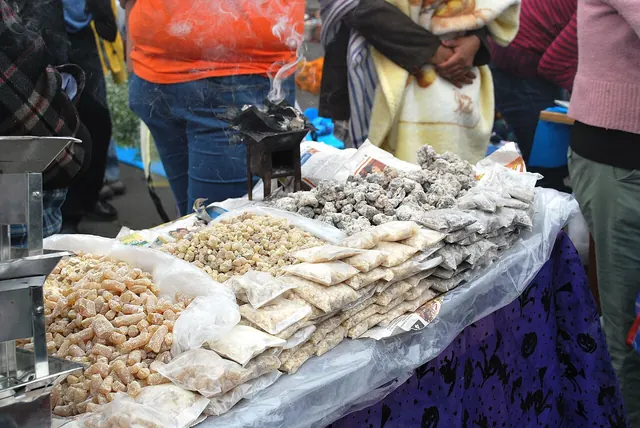
Traditional / raw material
Copal Blanco
ResinousCitrus
Explore sticks, resins and woods from Kyoto to Tapanuli, and see how each one is likely to smell before you buy.
Traditional / raw material
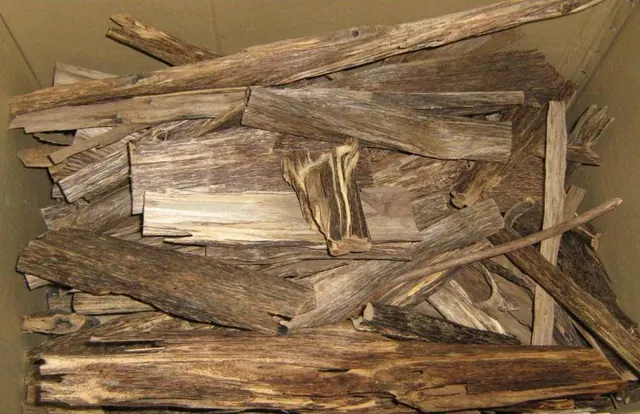 Material: Agarwood (Oud)
Traditional / raw material
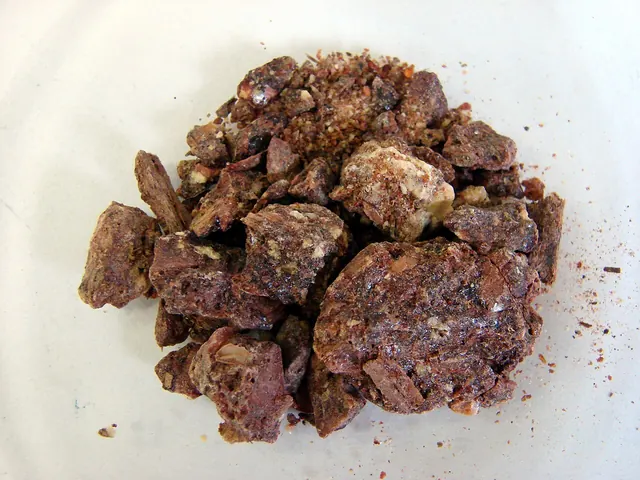
Traditional / raw material
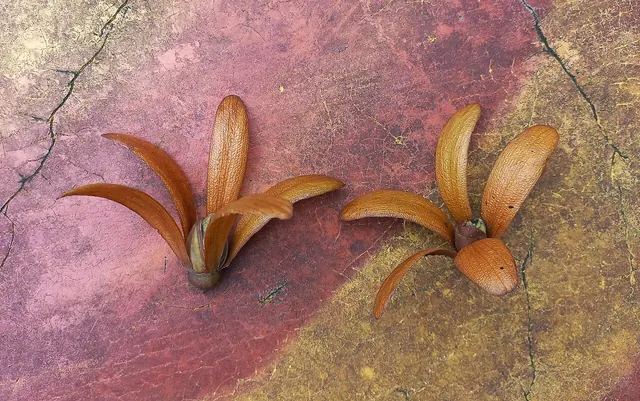 Material: Borneol
Baieido
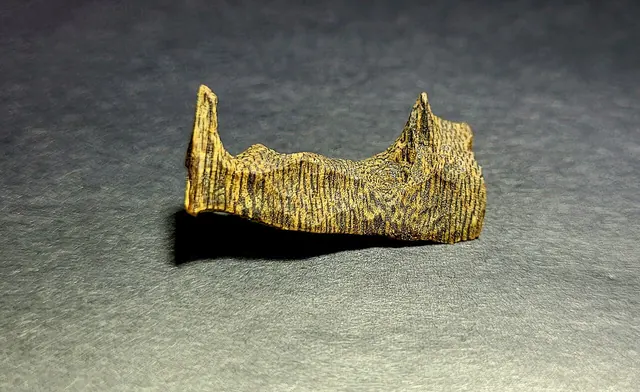 Material: Agarwood (Oud)
Nippon Kodo
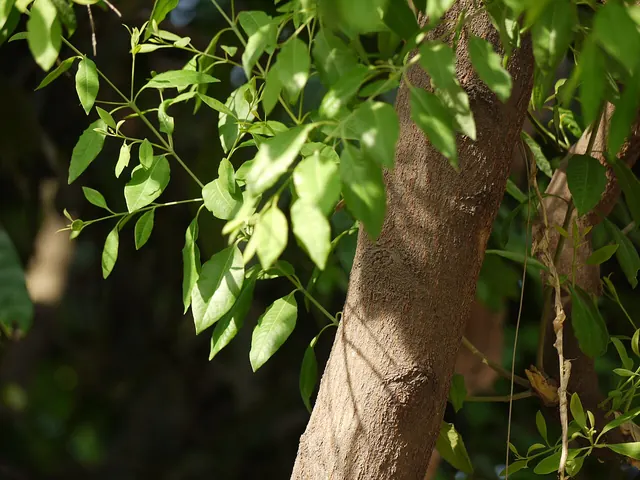 Material: Sandalwood
Nippon Kodo
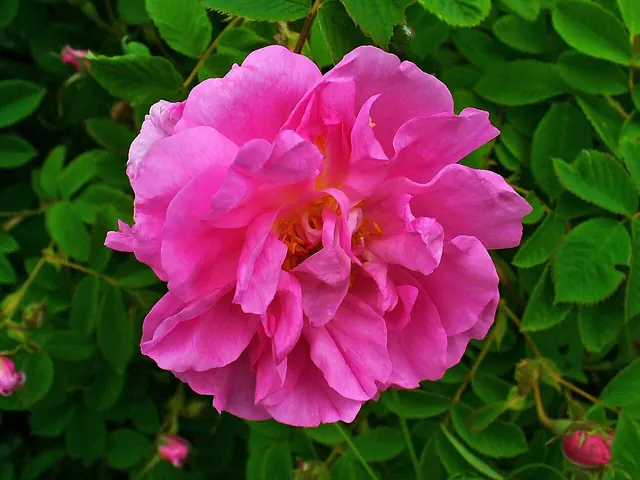 Material: Rose
Traditional / raw material
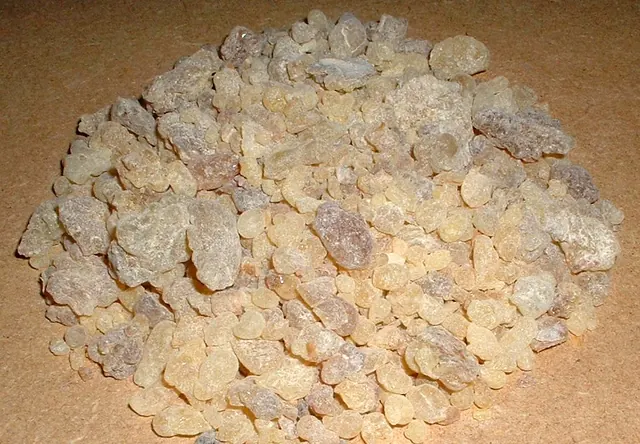
Traditional / raw material
Long before incense reached modern shops, benzoin from Sumatra, sandalwood from Timor and cloves from Maluku were crossing oceans. Dupa Incense gives these traditions the place they deserve.
Explore Indonesian incense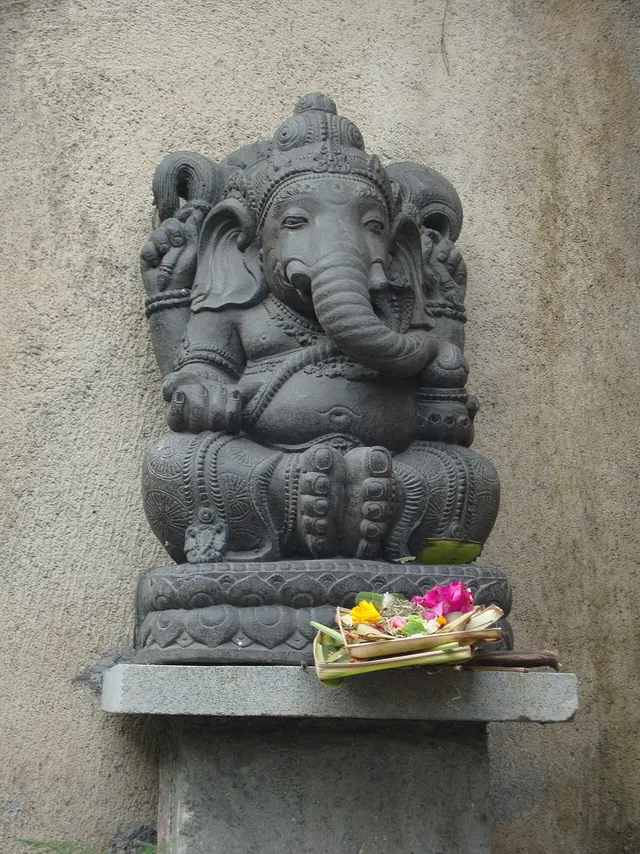
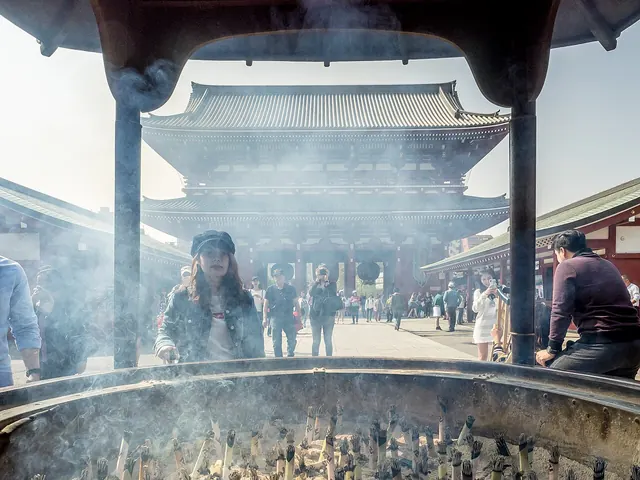 JapanFine, low-smoke sticks and a formal art of appreciation known as kōdō, where people are said to "listen" to incense.15
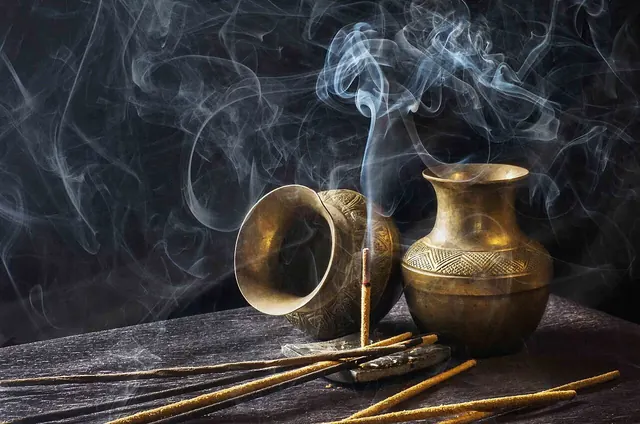 IndiaHome of masala agarbatti and dense dhoop, with incense woven into daily worship and home life.11IndonesiaA historic source of the world's aromatics: Sumatran benzoin, Timorese sandalwood, Maluku clove and Indonesian agarwood.13
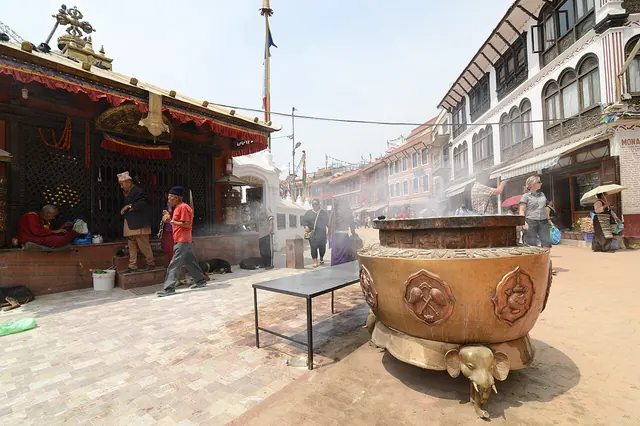 HimalayaHerbal, high-altitude blends from Tibet, Nepal and Bhutan, shaped by Buddhist practice and traditional medicine.5
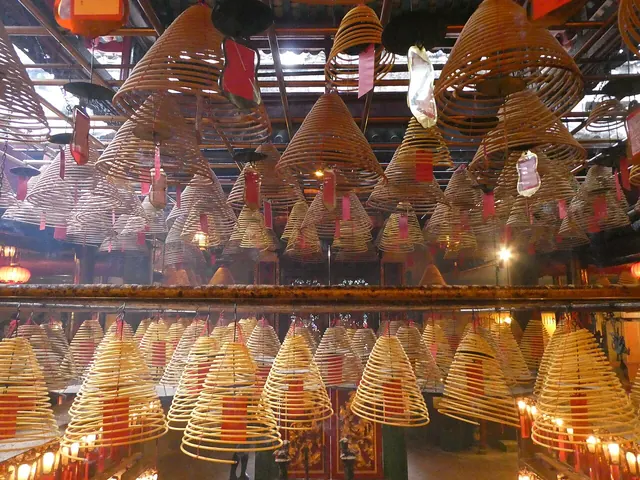 China & VietnamTemple coils, ancestral offerings and legendary agarwood.2
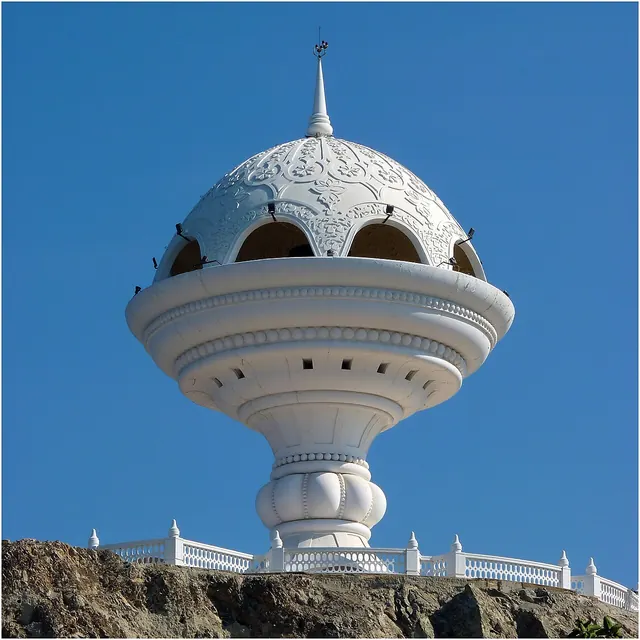 Arabian PeninsulaThe land of frankincense routes and of bakhoor, the perfumed smoke of hospitality.4
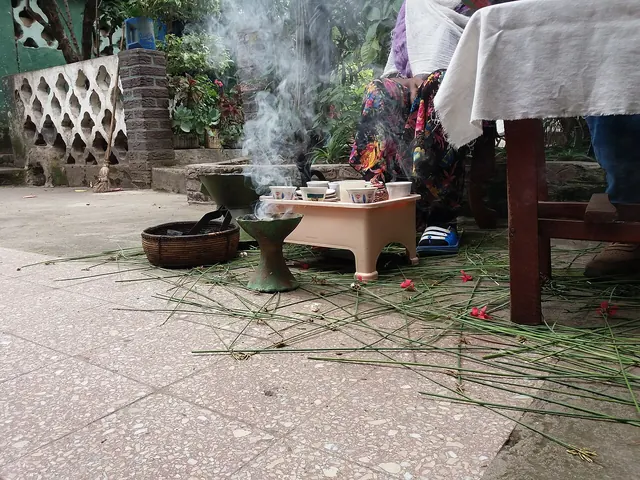 Horn of AfricaAmong the world's great sources of frankincense and myrrh, with incense as part of coffee ceremonies and daily life.4
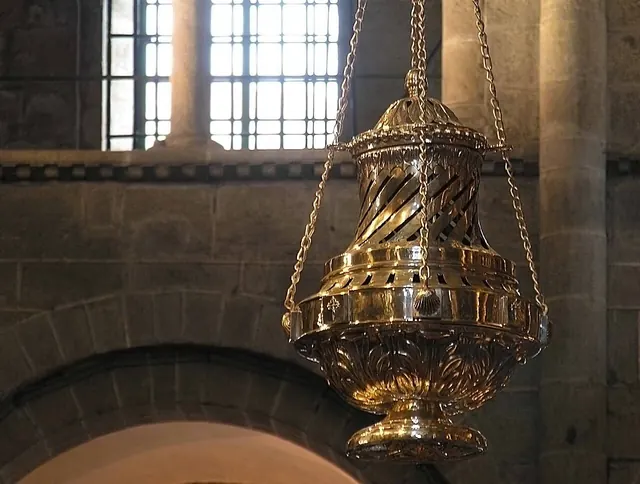 Mediterranean & EuropeFrom ancient Egyptian kyphi and Greek resins to Orthodox liturgy and French paper incense.8
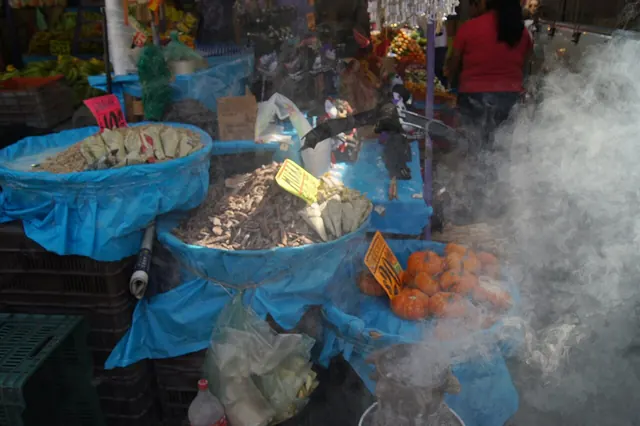 The AmericasCopal of the Maya and Aztec worlds, Andean palo santo, and the sacred plants of North America's Indigenous peoples.5
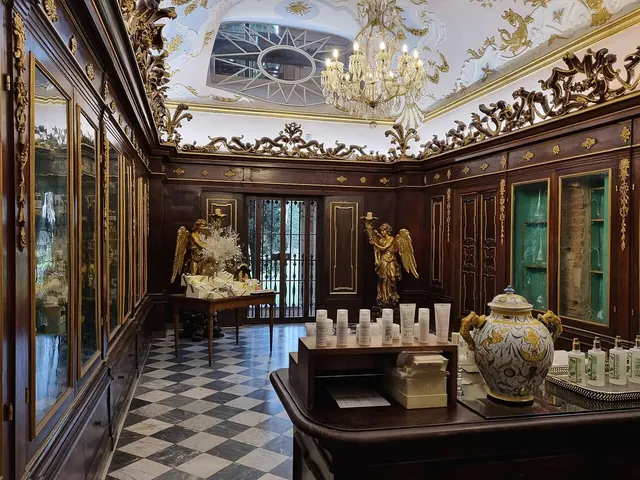
The houses and makers behind the incense in Dupa Incense.
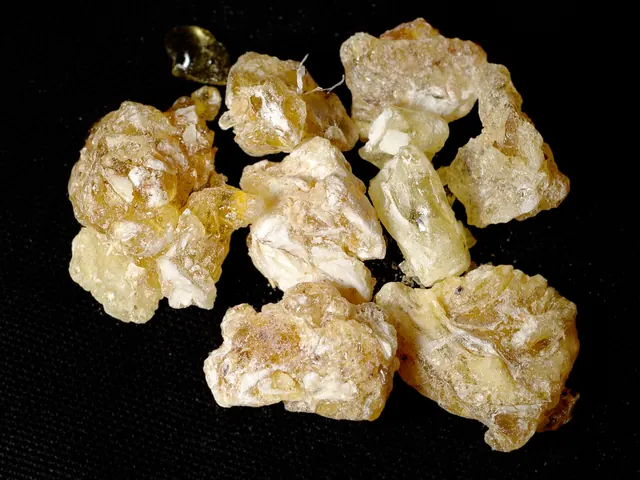
The resins, woods, spices and flowers that make up incense.
Every region burns incense differently. Start wherever you're curious.
Enter your birth date, choose what the incense is for, and get incense matched to your supporting elements and to prayer or ritual. Plus a lunar calendar, zodiac and year elements.
How to choose incense, burn it and stay comfortable.
How Dupa Incense works and how we check information.
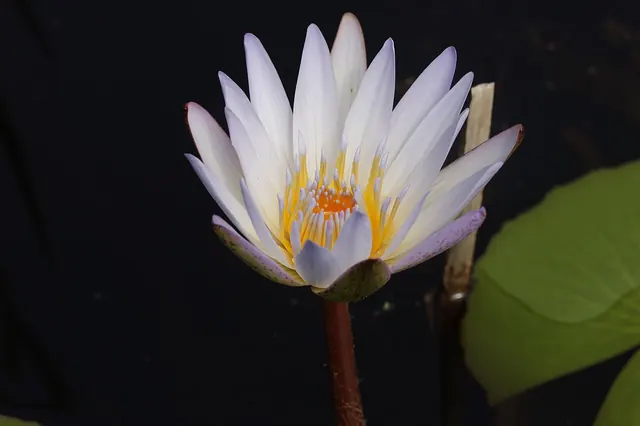
Dupalo scents include flowers, woods, offerings and fruit. Learn 19 variant names from Shopee and Tokopedia, what sarimadu means, and how to choose.
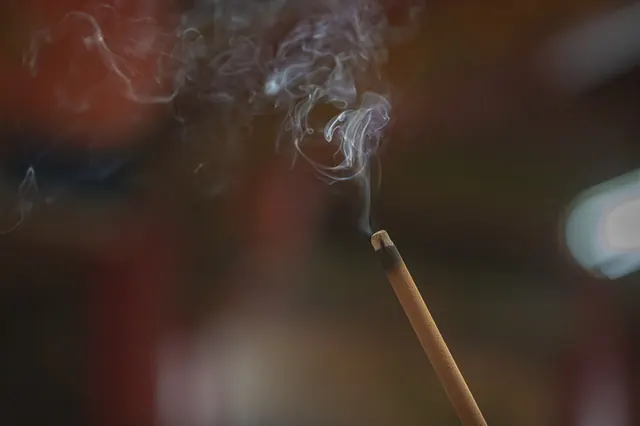
Incense smoke contains fine particles and irritant gases. See what research shows, who should avoid it, and seven practical ways to use it more safely.
Atma incense is a Dupalo line built on agarwood, benzoin, resins and leaves. See materials, prices, burn time and which claims to check before buying.
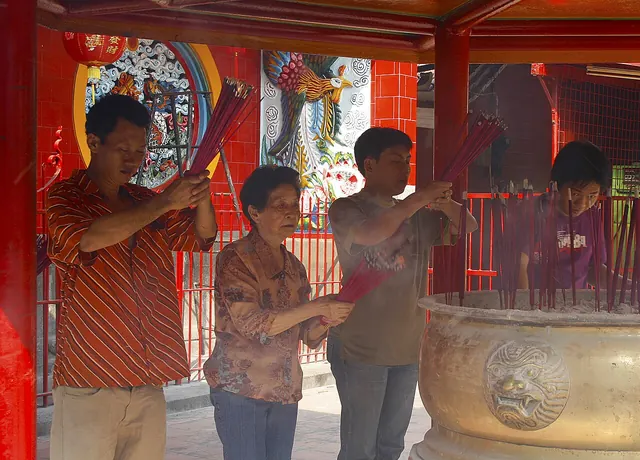
Incense for prayer should follow your own tradition. This guide covers hio, Balinese sticks and Javanese benzoin, with etiquette and safer use at home.
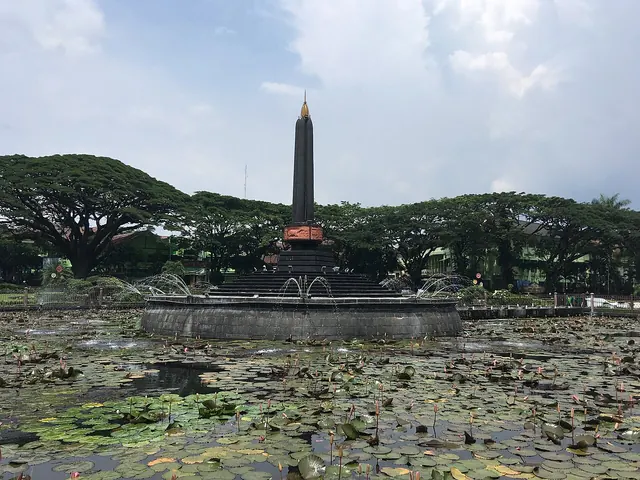
Dupalo is an aromatherapy incense maker in Malang, Indonesia. See its history, 52 scents, ingredients, reported prices, export markets and how to buy.
Gentong Tiga incense is a brand from Dupalo in Malang. Learn the Special, Premium, Gold, Asturba and powder lines, with their prices and pack sizes.
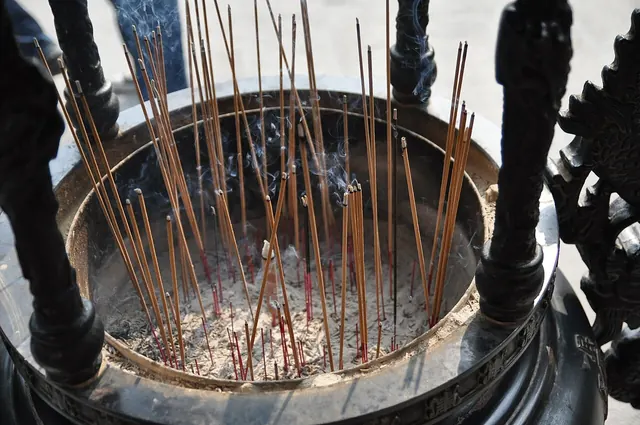
Dupalo prices at its central store start at Rp47,250, while other sellers can charge up to 82% more. See seven products compared and how to buy safely.
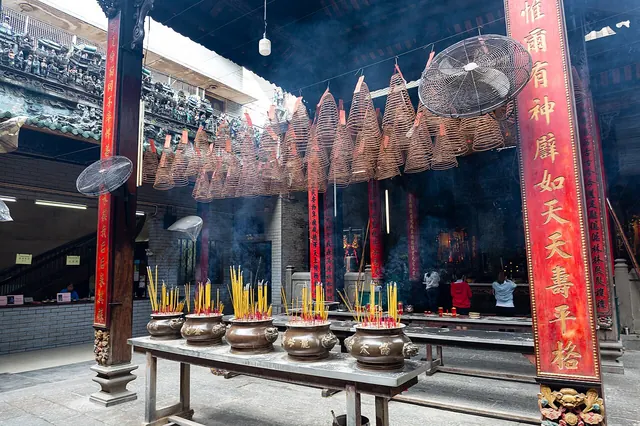
Learn the types of incense used in Indonesia: sticks, hio, cones, powder, resin, wood and coils, with how to use each, smoke levels and buying tips.
Malang incense souvenirs come as sticks, powder or cones. This guide helps you choose a scent, check prices and bring your gift home safely.
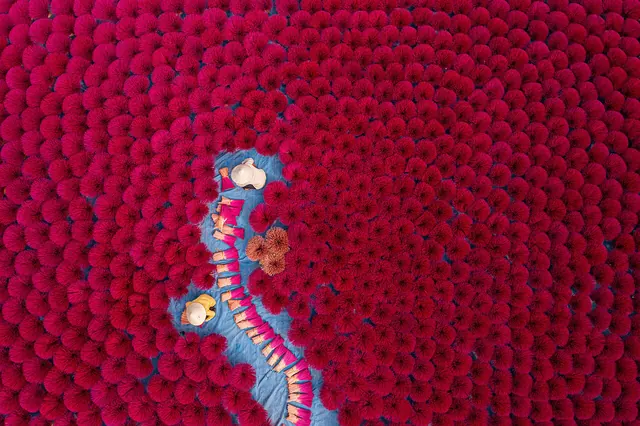
Indonesian incense comes from Malang, Bali, Tangerang and West Kalimantan. See their scale, prices, markets and challenges, and how to choose a supplier.
Photos were resized, converted to WebP and may be cropped for display. Each keeps its original license.