Woody
Cedar
Dry, pencil-shaving wood that adds structure to a blend.
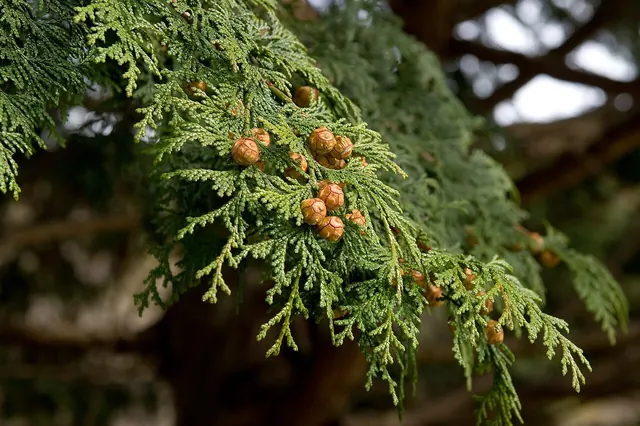
Hinoki
Clean, lemony wood of the Japanese cypress, a familiar aroma in Japanese incense and traditional houses.
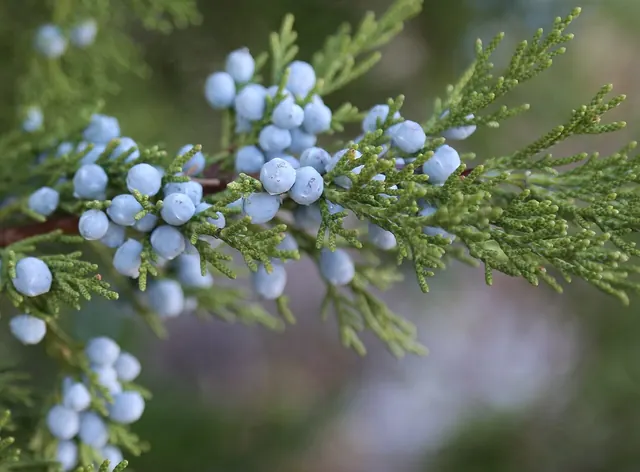
Juniper
Crisp, resinous mountain conifer central to Himalayan offering smoke.
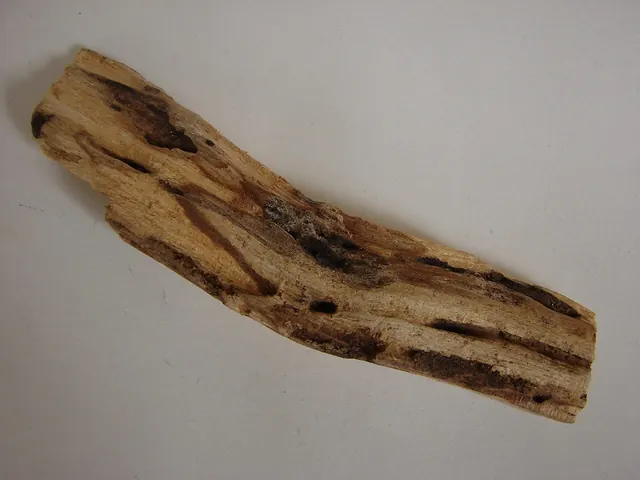
Palo Santo
Fragrant South American Bursera graveolens wood with notes of citrus, mint and resin.
Sandalwood
Creamy, milky heartwood of Santalum species and the backbone of Indian and Japanese incense.
Resinous
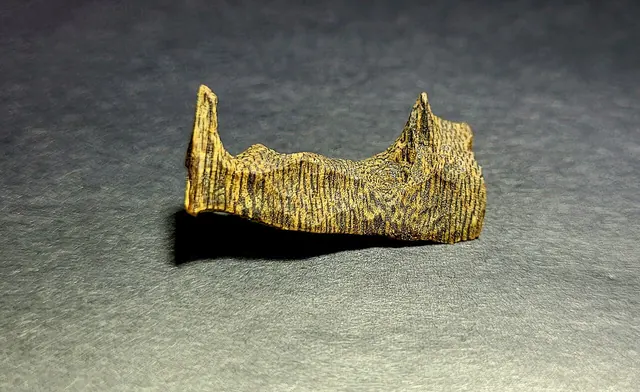
Agarwood (Oud)
Dark resin that forms in infected Aquilaria and Gyrinops trees. Deep, bittersweet and prized for centuries; the finest Japanese grade is called kyara.
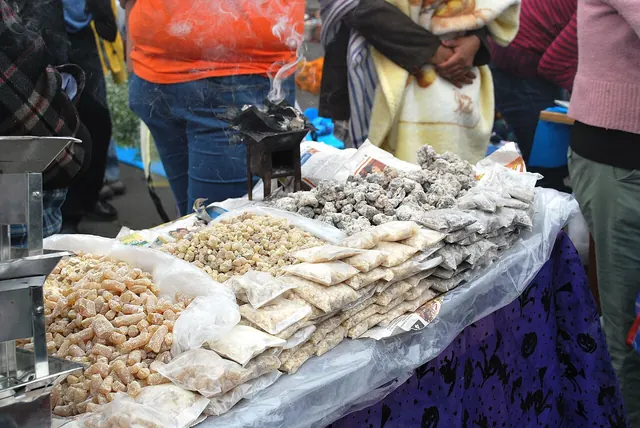
Copal
Clear, citrusy, pine-fresh tree resin burned in Mesoamerica since pre-Columbian times.
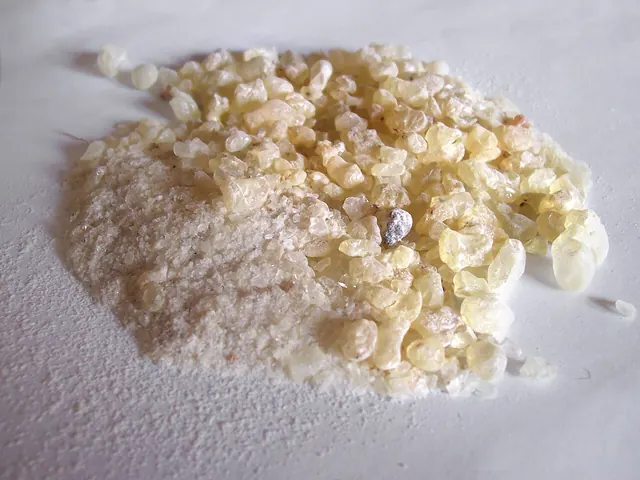
Dammar
Light, clean tree resin from Southeast Asian dipterocarp forests and a long-standing Indonesian forest product.
Frankincense
Bright, lemony, pine-like resin tapped from Boswellia trees in Arabia, the Horn of Africa and India.
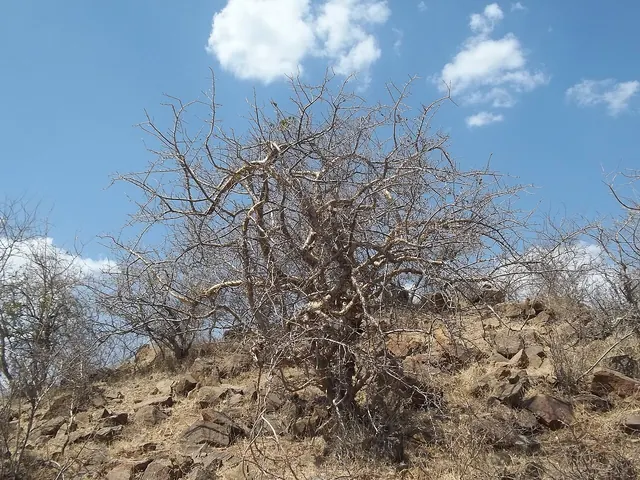
Guggul
Smoky, slightly sweet gum resin from Commiphora wightii, used in Indian ritual and Ayurveda.
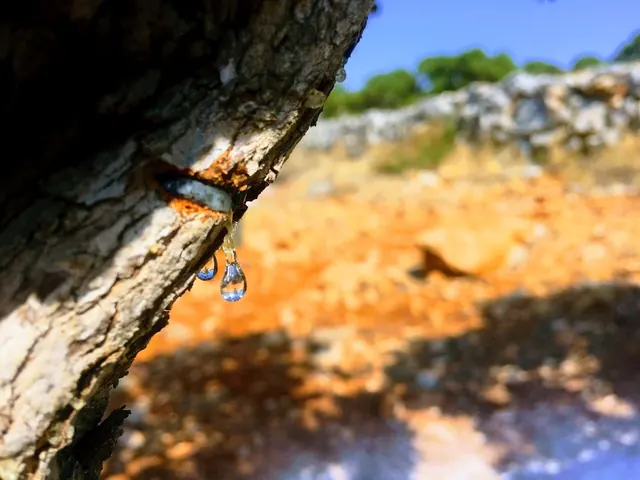
Mastic
Pale, piney, gently sweet resin from the mastic trees of the Greek island of Chios.
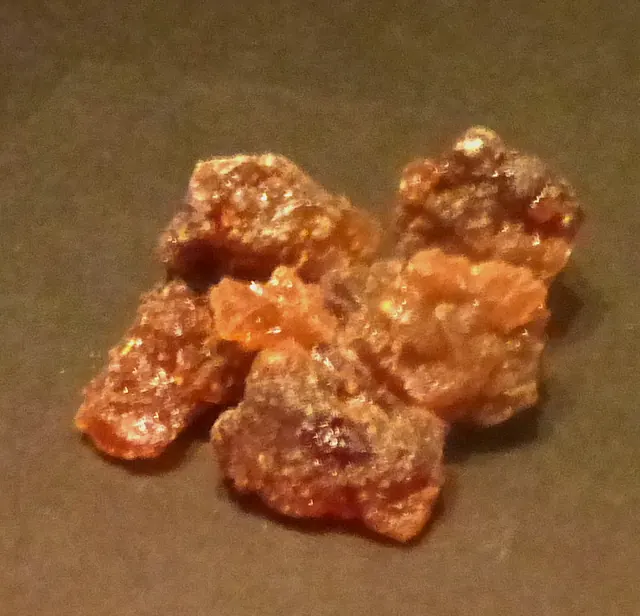
Myrrh
Bitter, medicinal, warmly earthy resin from Commiphora trees of Arabia and northeast Africa.
Balsamic
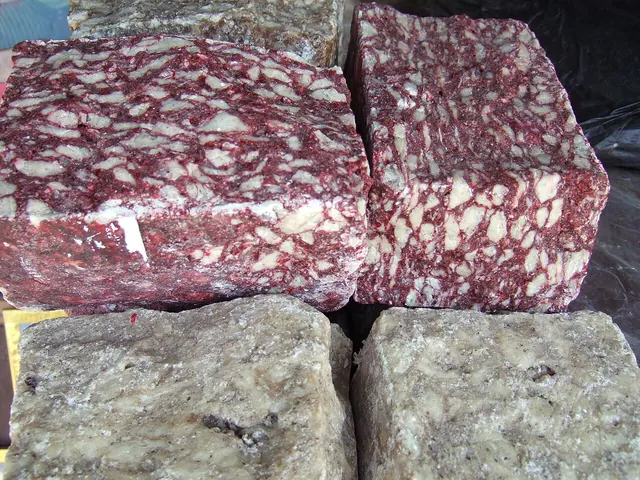
Benzoin
Vanilla-sweet balsamic resin from Styrax trees of Sumatra and mainland Southeast Asia.
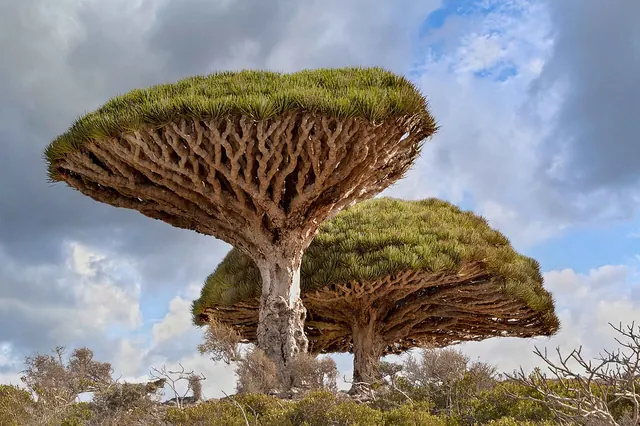
Dragon's Blood
Deep red resin from Dracaena trees and from the fruit of Daemonorops rattan palms. In Sumatra and Kalimantan the rattan resin is known as jernang.
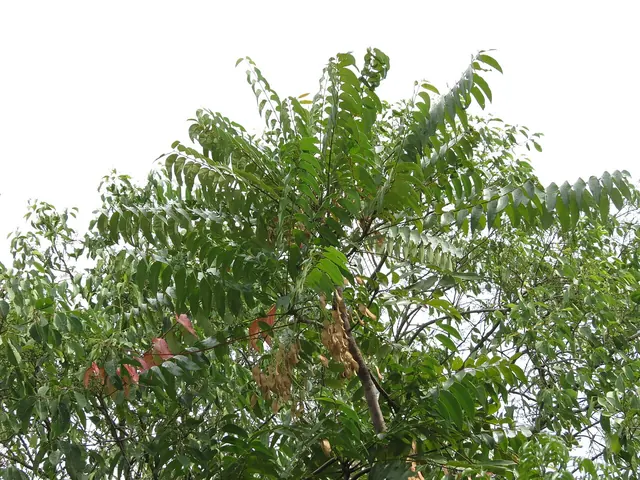
Halmaddi
Soft, balsamic resin of Ailanthus triphysa, part of the traditional nag champa formula. India banned extraction by the 1990s because crude tapping killed trees, so it is now scarcer in incense.
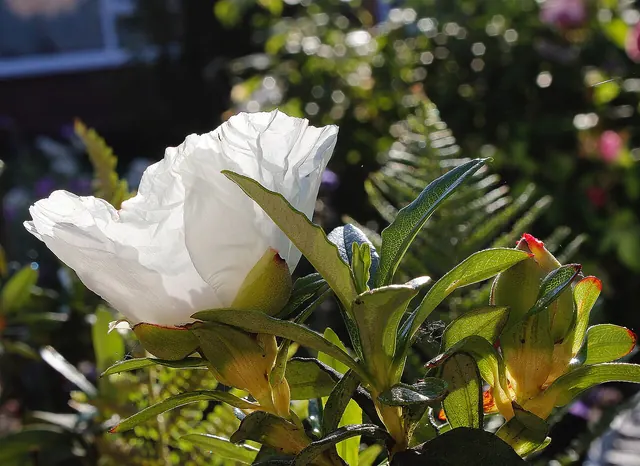
Labdanum
Dark, leathery, ambery gum from Mediterranean rockrose shrubs.
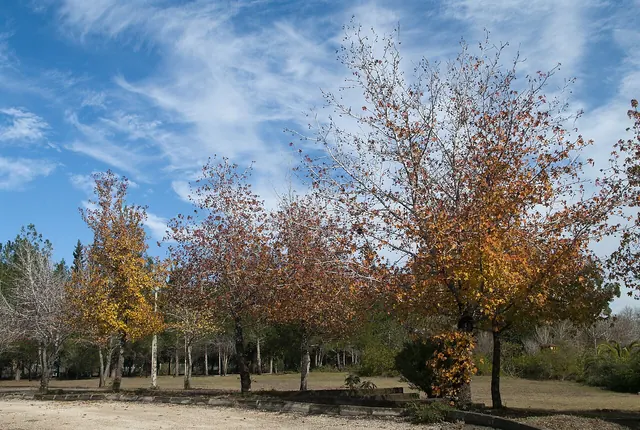
Storax
Sweet, cinnamon-tinged balsam from Liquidambar orientalis of southwestern Türkiye.
Sweet
Floral
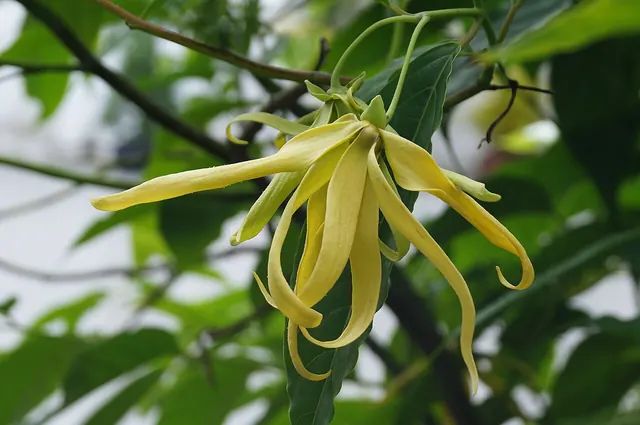
Cananga (Kenanga)
Sweet yellow tropical flower, listed among the traditional ingredients of Javanese ratus.
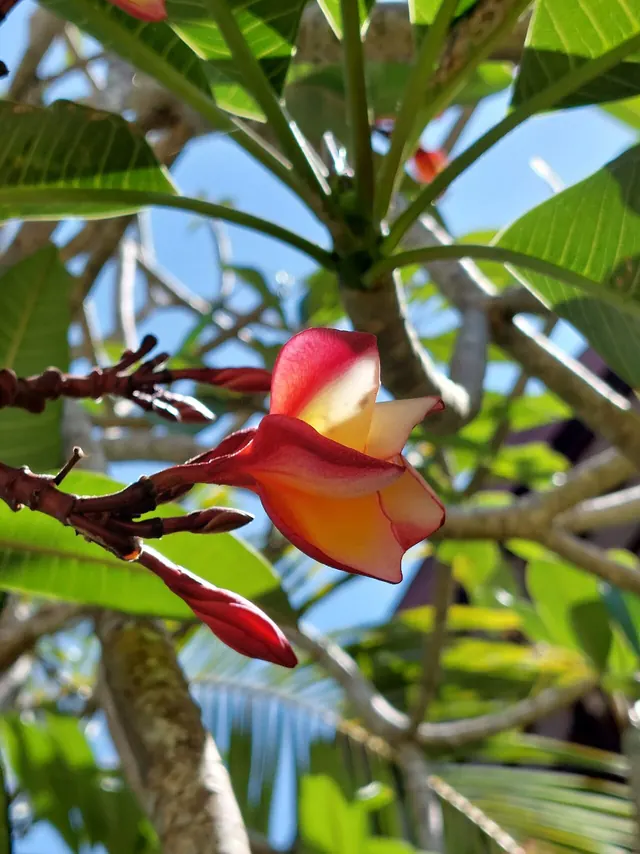
Champa (Champak or Frangipani)
Creamy, heady tropical blossoms. The champa of nag champa is described as either champak or frangipani.
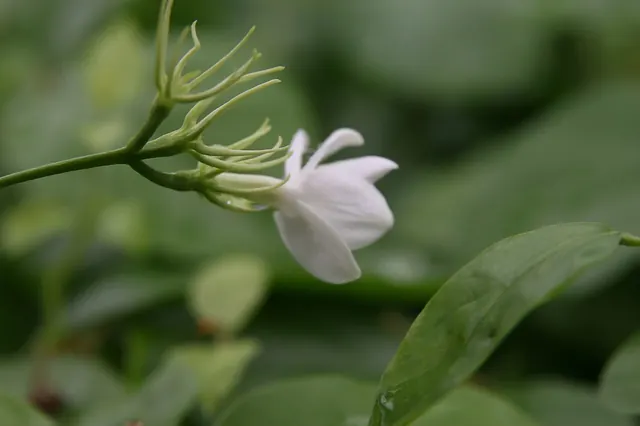
Jasmine
Heady, sweet white flower and a staple of South and Southeast Asian ritual.
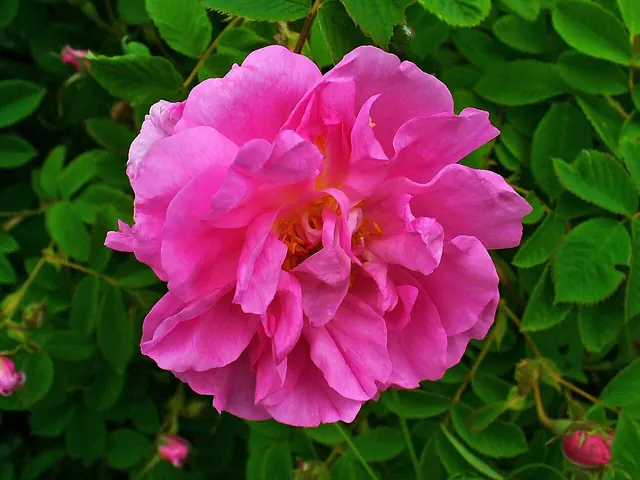
Rose
Rich, honeyed petals used in perfumed resins and bakhoor.
Spicy
Herbal
Borneol
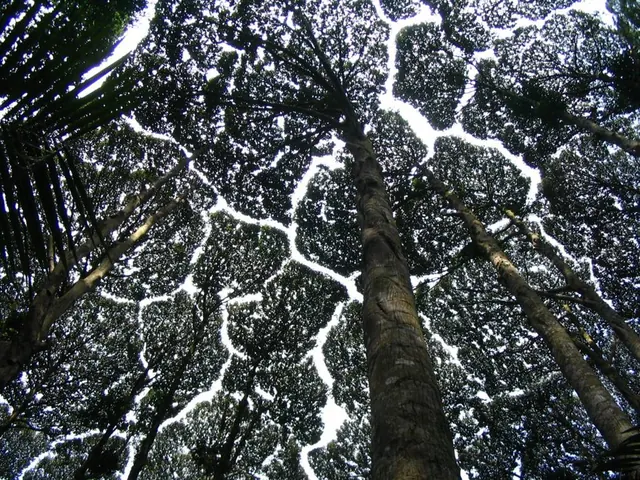
Cool, camphor-like crystals historically traded from Barus in Sumatra. Used in small amounts in Japanese and Chinese blends.
Lavender
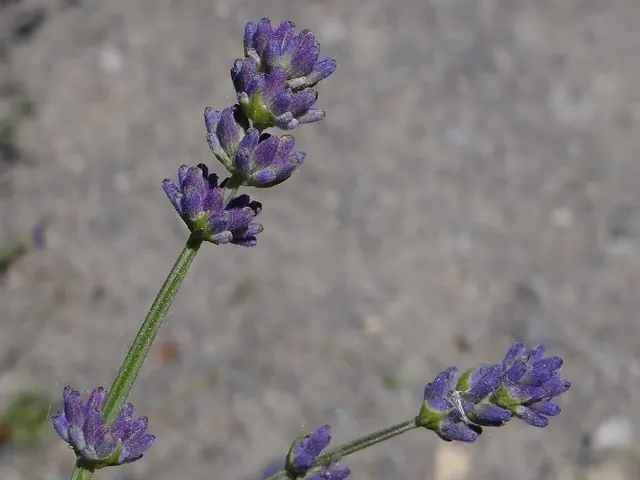
Clean, soft, herbal-floral aroma associated with calm evenings.
Rhododendron
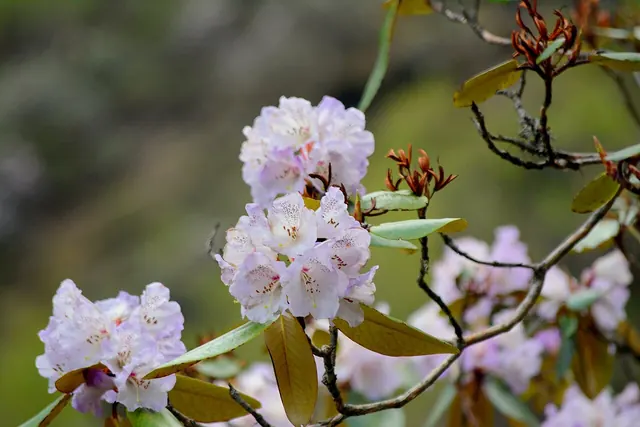
Aromatic high-altitude leaves used in Himalayan incense blends.
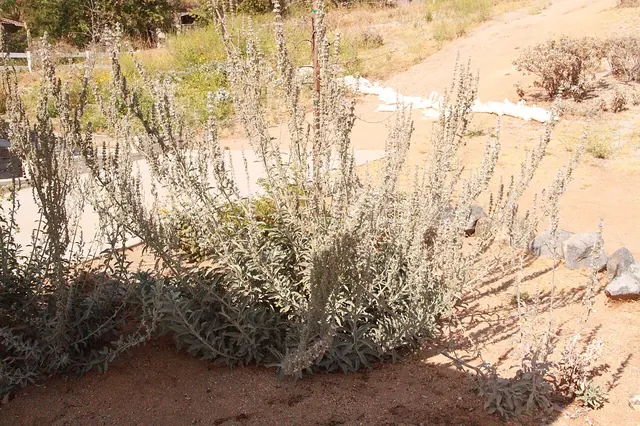
White Sage
Sharp, herbal Salvia apiana from Southern California and Baja California.
Citrus
Earthy
Smoky
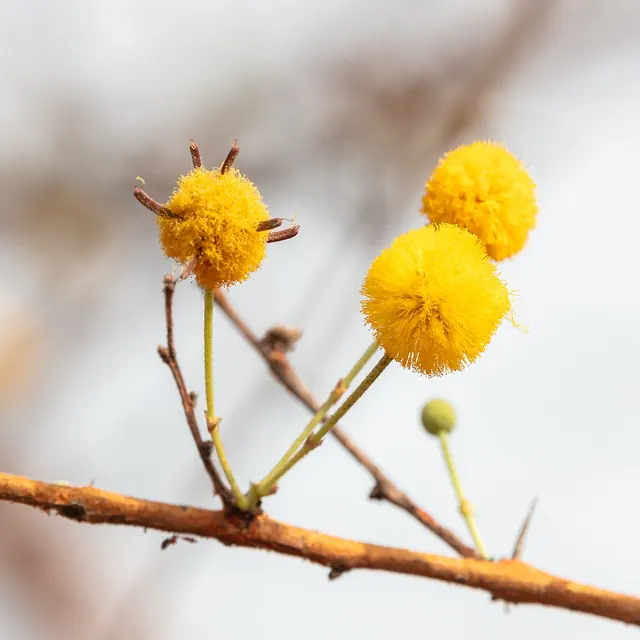
Photo credits (34)
Photos were resized, converted to WebP and may be cropped for display. Each keeps its original license.
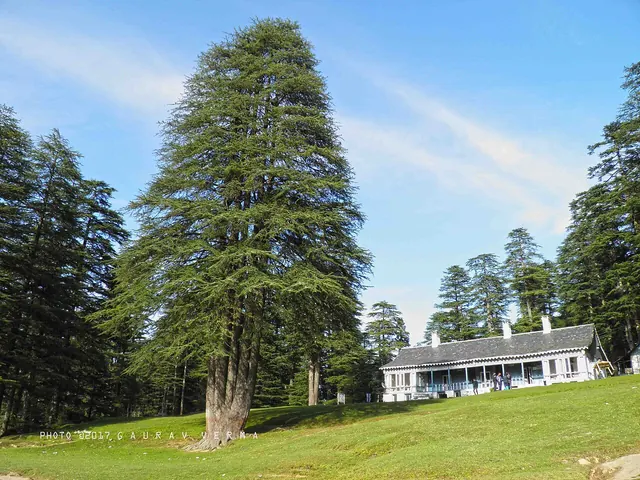
- A mature Cedrus deodara in its natural habitat, India. Gv3101992, CC BY-SA 4.0
- Hinoki cypress in the Tanzawa Mountains, Japan. Σ64, CC BY 3.0
- Western juniper (Juniperus occidentalis) in heavy berry, an example of the juniper genus. Dcrjsr, CC BY 3.0
- Palo santo wood (Bursera graveolens). Maša Sinreih in Valentina Vivod, CC BY-SA 3.0
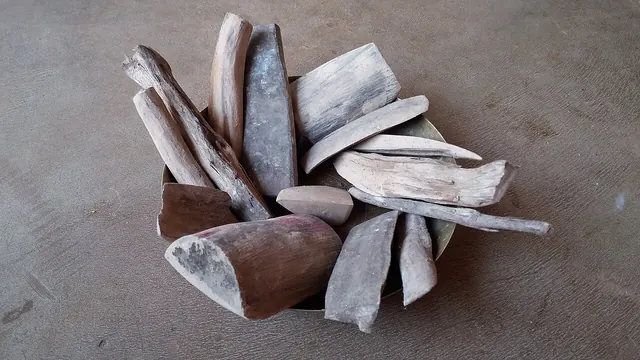
- Cut pieces of sandalwood and tulsi. Nistha.aslp, CC BY-SA 4.0
- A piece of kinam agarwood. An example of the material, not a Dupalo product photo. Sinedi Matt, CC BY 4.0
- Copal and other incense at a Day of the Dead market in Santiago Tianguistenco, Mexico. AlejandroLinaresGarcia, CC BY-SA 4.0
- Grains of dammar resin. Metoc, CC BY-SA 2.5
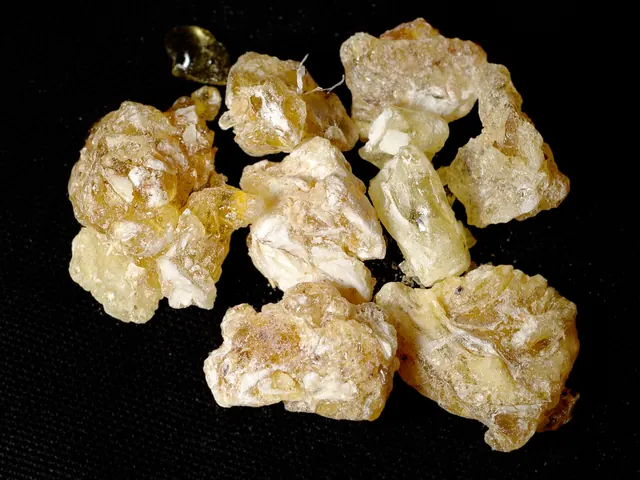
- Frankincense resin bought in Somalia. snotch, Public domain
- Guggul (Commiphora wightii) in its natural habitat. Geethaka99, CC BY-SA 4.0
- Mastic resin seeping from a tree trunk. Aggelos1357, CC0
- Lumps of myrrh resin. Nesnad, CC BY 4.0
- Kemenyan, or benzoin resin (Styrax benzoin). Midori, CC BY-SA 3.0
- Dragon's blood trees on Socotra, a source of the red resin. Rod Waddington from Kergunyah, Australia, CC BY-SA 2.0
- Ailanthus triphysa, the tree that yields halmaddi. Forestowlet, CC0
- Cistus ladanifer, the Mediterranean shrub that yields labdanum. Haggeswood, CC BY 4.0
- Liquidambar orientalis, the source of Anatolian storax, in Turkey. Zeynel Cebeci, CC BY-SA 4.0
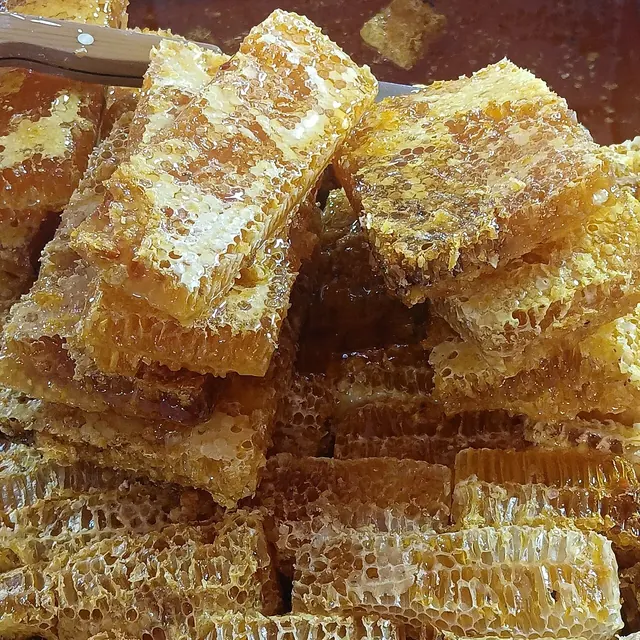
- Blocks of comb honey. Fumikas Sagisavas, CC0
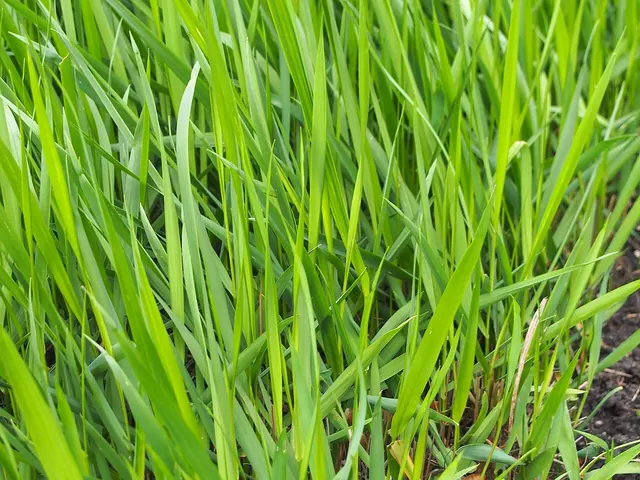
- Sweetgrass (Hierochloe odorata) at the Wrocław University Botanical Garden. Agnieszka Kwiecień, Nova, CC BY-SA 4.0
- Ylang-ylang flower (Cananga odorata). Prenn, CC BY-SA 3.0
- Frangipani (Plumeria rubra) in Bali. An illustration of the plant, not a Dupalo product photo. Jasna Hrenovic, CC0
- Jasmine (Jasminum sambac). An illustration of the flower, not a Dupalo product photo. Photo by David J. Stang, CC BY-SA 4.0
- Damask rose (Rosa × damascena). H. Zell, CC BY-SA 3.0
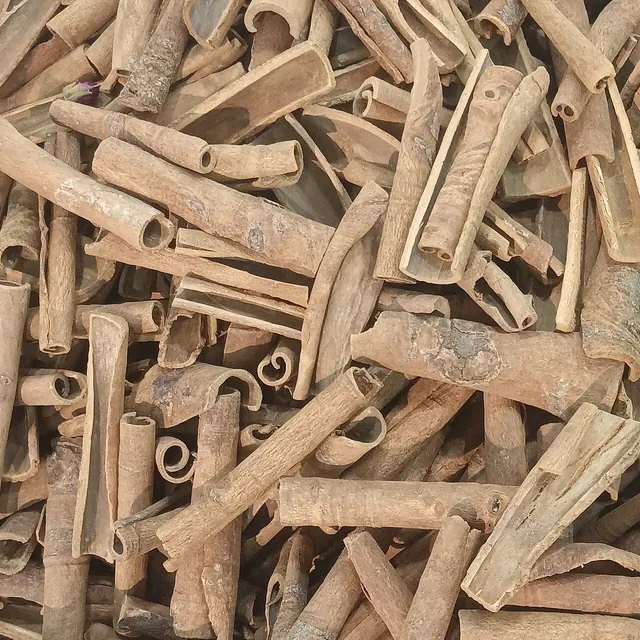
- Cinnamon sticks. Fumikas Sagisavas, CC0
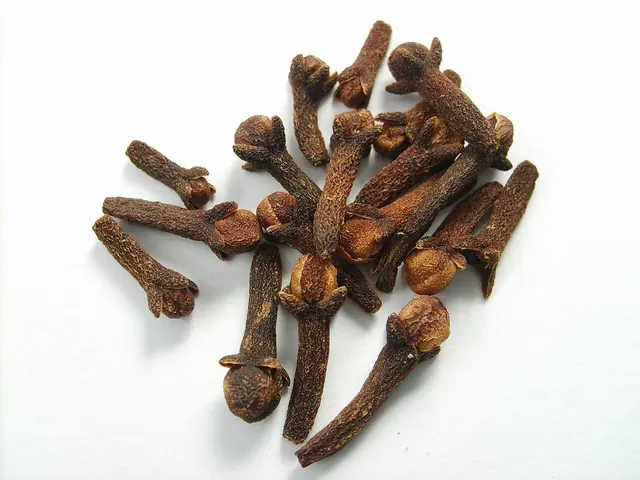
- Dried cloves. Jorge Barrios, Public domain
- The canopy of Dryobalanops aromatica, the tree that yields borneol, in Kuala Lumpur. Patrice78500, Public domain
- Lavender flowers (Lavandula angustifolia). An illustration of the plant, not a Dupalo product photo. Jerzy Opioła, CC BY-SA 4.0
- Rhododendron campanulatum in the Nanda Devi Biosphere Reserve, Himalaya. Subhajit Saha, CC BY-SA 4.0
- White sage (Salvia apiana). Curpher, CC0
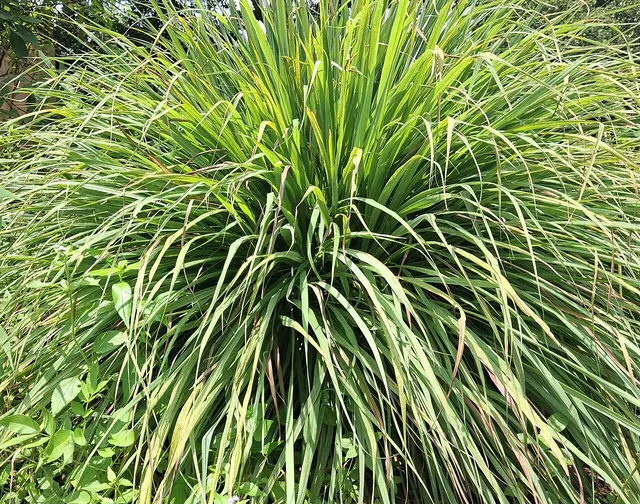
- A clump of lemongrass (Cymbopogon citratus). NiferO, CC BY-SA 4.0
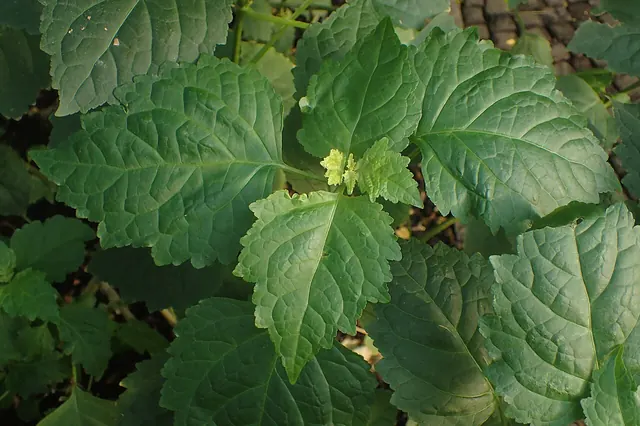
- Patchouli (Pogostemon cablin) at the Berlin Botanical Garden. Krzysztof Ziarnek, Kenraiz, CC BY-SA 4.0
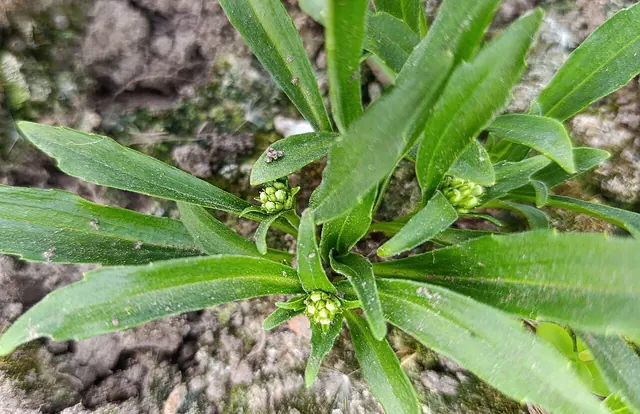
- Cultivated Himalayan spikenard (Nardostachys jatamansi). Plantagenet, CC BY-SA 4.0
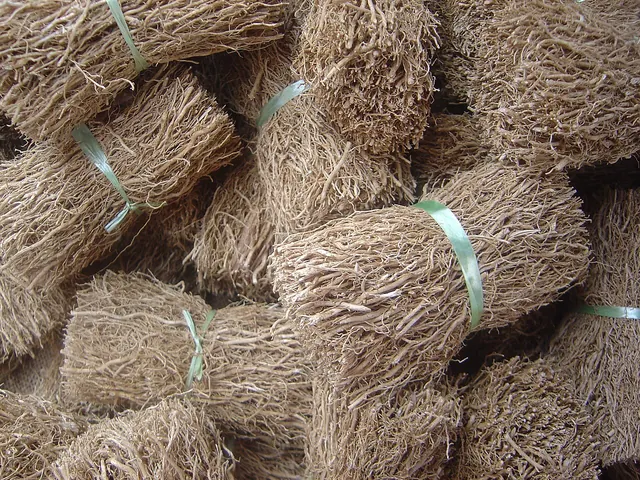
- Vetiver roots sold in bunches on Réunion Island. Copyright © 2005 David Monniaux, CC BY-SA 3.0
- Vachellia seyal in Terekeka, South Sudan. Diego Delso, CC BY-SA 4.0