Atma incense: a complete guide to 9 unique products from Dupalo
Disclosure: Dupa Incense is run by a Dupalo partner, so keep that in mind as you read. About
Atma incense is a Dupalo line that highlights materials such as agarwood, benzoin, resins and leaves rather than perfume scents. The Dupalo Pusat store on Tokopedia sold it from Rp47,250 on 3 November 2026. However, the ingredient claims come from the seller, and Dupa Incense hasn't tested them.
Nine Atma incense products we saw
This table comes from a Tokopedia search page for the Dupalo Pusat store. Tokopedia reports 30 Dupalo products, but the page we received only showed 10, and one was another brand. So this list may not be complete.
| Product | Form and contents | Price | Sold when checked |
|---|---|---|---|
| Jempinang Super | Sticks, 108 | Rp47,250 | 26 |
| Gaharu | Sticks, 504 g | Rp66,150 | 90+ |
| Daun Salam | Sticks, 504 g | Rp72,000 | 3 |
| Daun Sage | Sticks, 504 g | Rp75,600 | 11 |
| Getah Amber | Sticks, 504 g | Rp94,500 | 11 |
| Jempinang Super | Sticks, 504 g | Rp94,500 | 50+ |
| Menyan Madu Super mix Kayu Gaharu | Sticks, 504 g | Rp94,500 | 16 |
| Gaharu | Powder, 3 ons (300 g) | Rp66,150 | 11 |
| Menyan Madu Super | Powder, 3 ons (300 g) | Rp75,600 | 27 |
Compare these Atma incense figures with other sellers too, because the gaps can be large. We summarize them in our price comparison table.
What makes Atma incense different?
The product descriptions repeat one message: the scent comes from the material, not from oil. For example, the gaharu powder page says its scent is wood and not oil. The same page points buyers to the gold class if they want an agarwood oil scent.
So this line appears to differ from incense whose sticks are sprayed with fragrance. We cover that basic difference in our guide to incense forms. However, a seller's statement isn't a lab result, so we can't confirm the composition.
The seller of Atma incense also says the color stays natural and that it processes the raw materials itself. Both are reasonable things to state, but we haven't verified them at the factory.
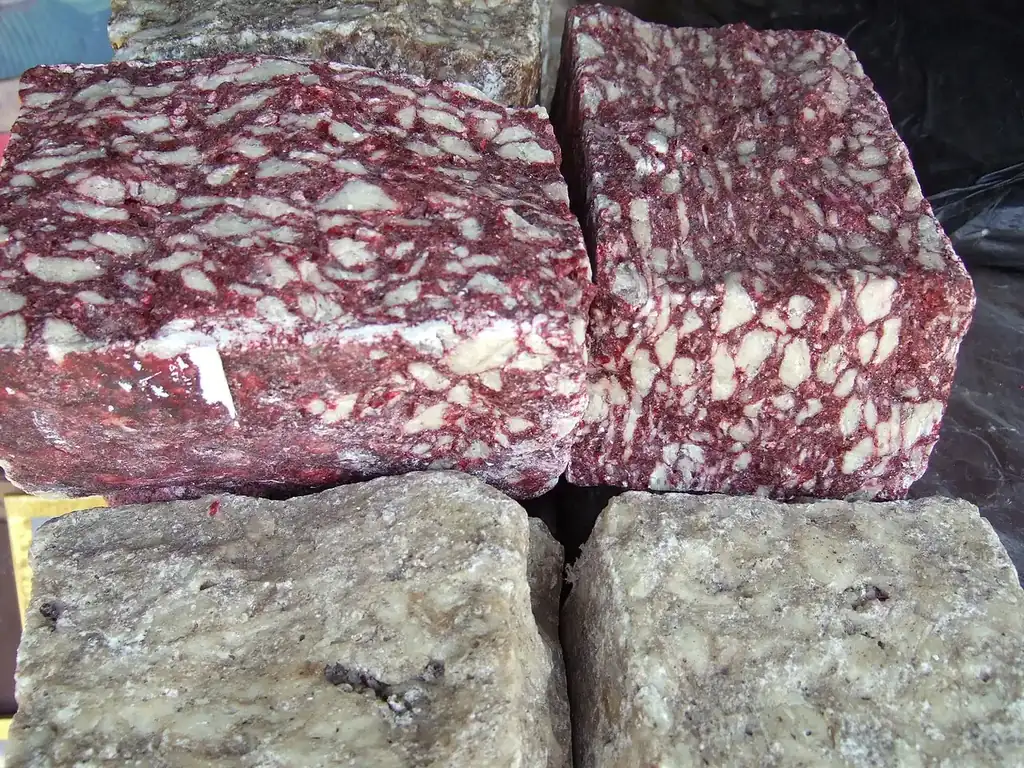
Atma incense specifications, according to the seller
The four stick and resin pages we could read share nearly the same details. Here's a summary:
- Length and burn time: 28 cm, burning for about 45 minutes.
- Condition: dry incense with a natural color.
- Intended use: prayer, ritual, offerings and heirloom objects.
- Warning: the ash feels hot on skin because of the natural resin.
That last warning matters, so keep the ash holder away from hands and fabric. Also, not every product lists the same details, and the Gaharu and Daun Salam stick pages didn't open for us. Before you buy Atma incense, ask the seller about those details.
Materials in each Atma incense variant
This list follows the seller's wording. When we add background, we name the source.
Getah Amber
The seller lists 100 percent real amber resin and teak wood flour, with a soft, sweet scent. However, amber in perfumery can refer to several materials, and the seller doesn't name the resin's source.
Jempinang Super
The seller lists 100 percent real super jempinang resin, then adds that this product is only for people who understand jempinang resin. We found no independent source that explains the term. So don't assume we know the material, and ask the seller if you're curious.
Menyan Madu
This term means honey benzoin. It appears on the agarwood blend and on a grade A powder. Meanwhile, a UGM lecturer explains that Indonesian benzoin tends to smell like honey, and links that scent to cinnamic acid. That explanation covers benzoin in general, not this product.
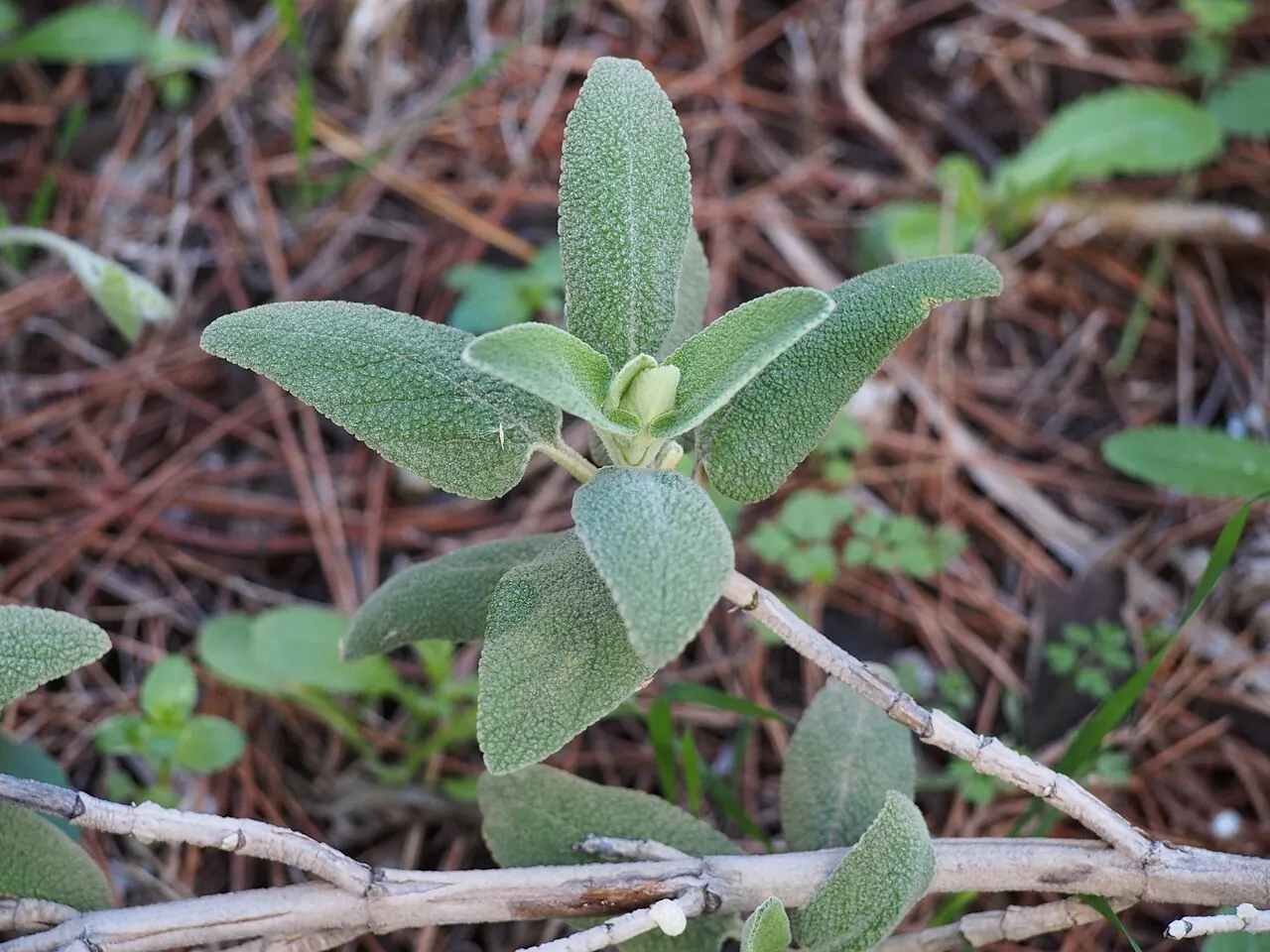
Gaharu
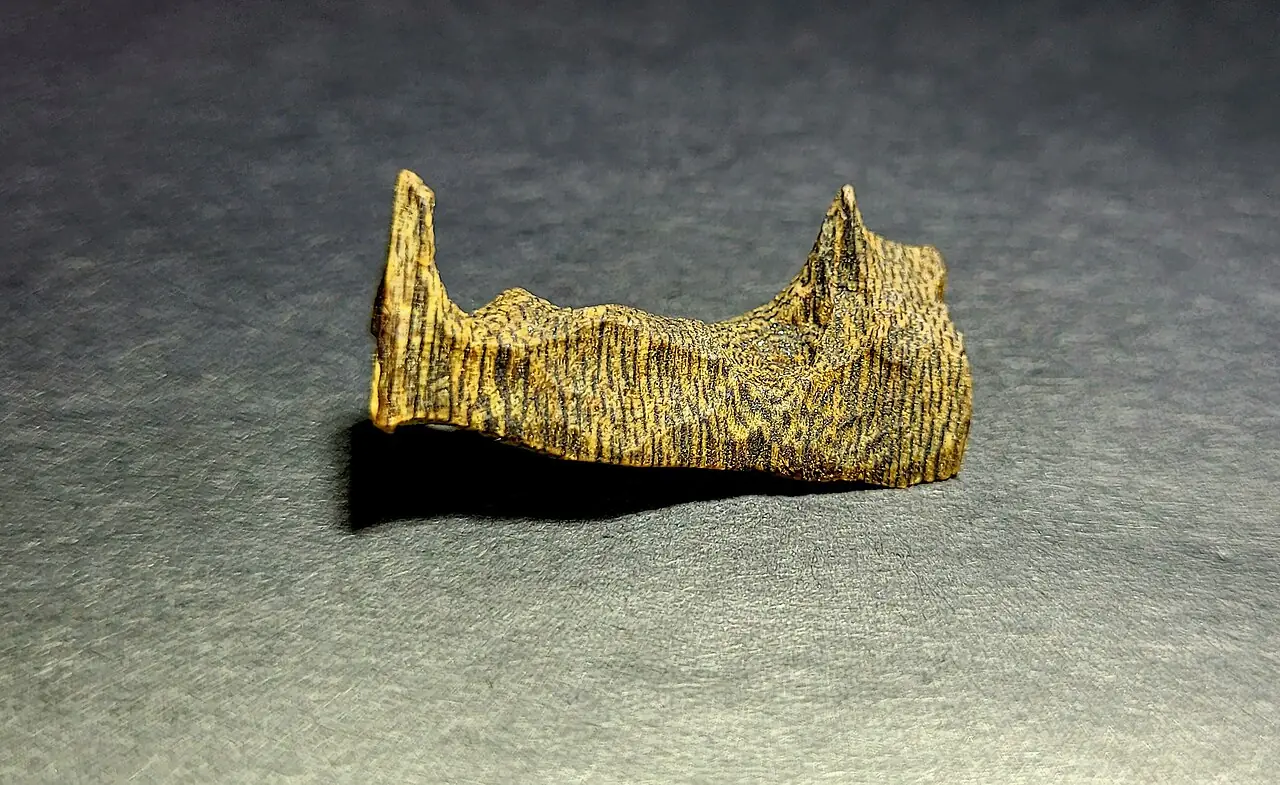
Gaharu is the Indonesian word for agarwood, one of the most classic scents in incense. It was also the best seller among the Atma 504 g packs we saw, with more than 90 sold. Even so, the seller doesn't state the agarwood content, even though Rp66,150 for 504 g is low for such a costly material. Therefore, treat the content with caution.
Daun Sage and Daun Salam
The seller lists real sage leaves with a natural scent, not perfume. Meanwhile, the bay leaf page didn't open for us, so we only recorded its name and price. The seller also doesn't name the sage species.
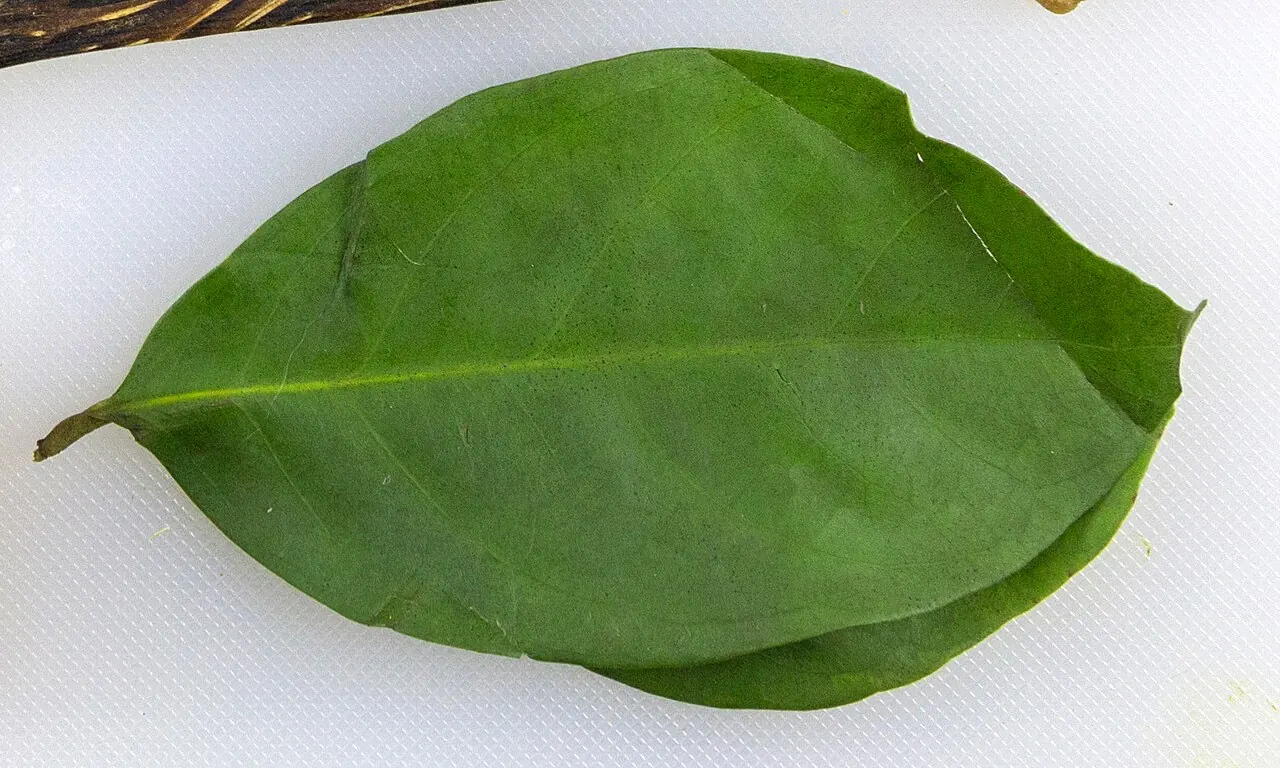
Atma incense claims you should check
The Daun Sage page makes claims that go beyond scent. Here's our assessment:
| Seller's claim | Our note |
|---|---|
| Sage clears negative energy | This is a cultural belief, not something we can test |
| Negative ions relate to lower depression | The seller admits the link is unclear, so don't treat it as therapy |
| Sage has never been proven to have negative effects | Too broad, since burning any material creates smoke |
| 100 percent real materials | No test or certificate on the pages we read |
A review by Lin and colleagues explains that incense smoke carries fine particles and irritant gases. In other words, even natural materials produce smoke. If you have asthma or breathing problems, it's best to avoid it, and read our guide to incense smoke risks first. If symptoms continue, see a health professional.
Sticks or powder: which suits you?
The seller calls the powder practical, because you can burn it without charcoal. However, powder usually needs a heatproof holder and a little practice with the amount. By contrast, sticks are easier for beginners, since you only stand them in a holder.
On price, 3 ons of gaharu powder costs the same as 504 g of gaharu sticks, at Rp66,150. That said, the two can't be compared directly, because sticks also contain a bamboo core and we haven't measured the content.
If you're new to Atma incense, start with the smallest pack available. The smallest option we saw was Jempinang Super with 108 sticks, while the other packs were 504 g.
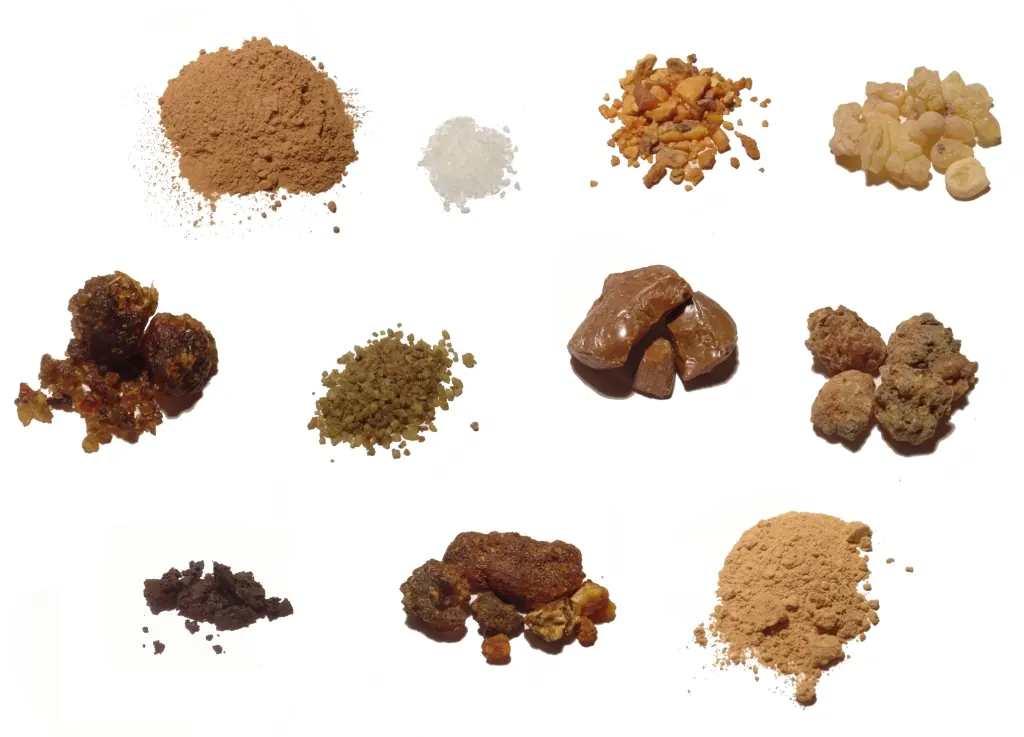
Atma incense and other Dupalo lines
Dupalo also sells the Gentong Tiga Dupa brand, whose listings focus more on scent names. We cover it in our Gentong Tiga review, while our list of scents summarizes names such as sarimadu and candan.
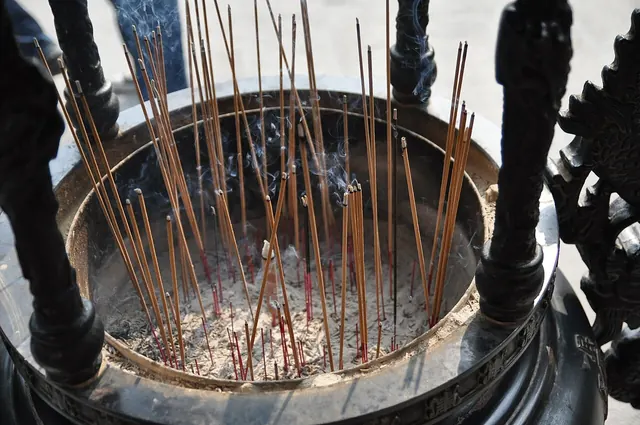
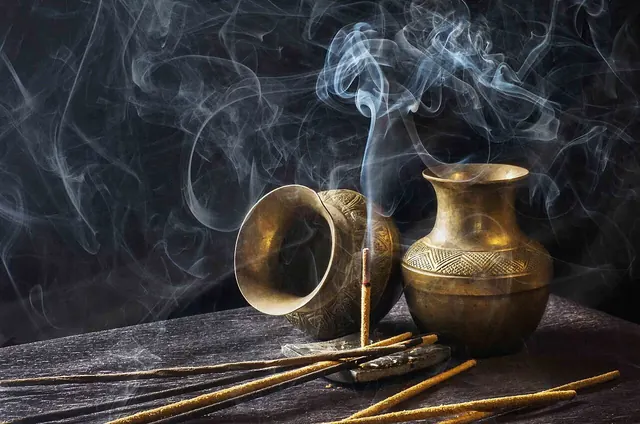
This article is based on public pages from 3 November 2026, not on testing. Dupa Incense is run by a Dupalo partner, and the photos only illustrate materials rather than show the products. If you're from Dupalo and spot a mistake, we'd like to fix it.
Frequently asked questions
What is Atma incense?
Atma is a brand from Dupalo in Malang. According to the seller, it uses the scent of materials such as agarwood, benzoin, resins and leaves rather than oil.
How much does Atma incense cost?
On 3 November 2026, the Dupalo Pusat store on Tokopedia sold it from Rp47,250 for 108 sticks to Rp94,500 for a 504 g pack.
How long does Atma incense burn?
The product pages we read list a 28 cm stick burning for about 45 minutes. We haven't tested this.
Is Atma incense safe for your health?
We can't confirm that. All incense smoke contains fine particles, so use it with good ventilation and avoid it if you have breathing problems.
What is jempinang resin?
The seller lists it as a material, but we found no independent source that explains the term. Ask the seller directly.
Sources
- Tokopedia: hasil pencarian Dupalo, dicek 3 November 2026
- Tokopedia: ATMA Getah Amber 504 gram
- Tokopedia: ATMA Jempinang Super 504 gram
- Tokopedia: ATMA Menyan Madu mix Gaharu 504 gram
- Tokopedia: ATMA Daun Sage 504 gram
- Tokopedia: ATMA serbuk Gaharu 3 ons
- Tokopedia: ATMA serbuk Menyan Madu 3 ons
- UGM: Kemenyan Masih Diekspor Mentah (2026)
- Lin dkk. (2008): Incense smoke and airway disease