Astier de Villatte
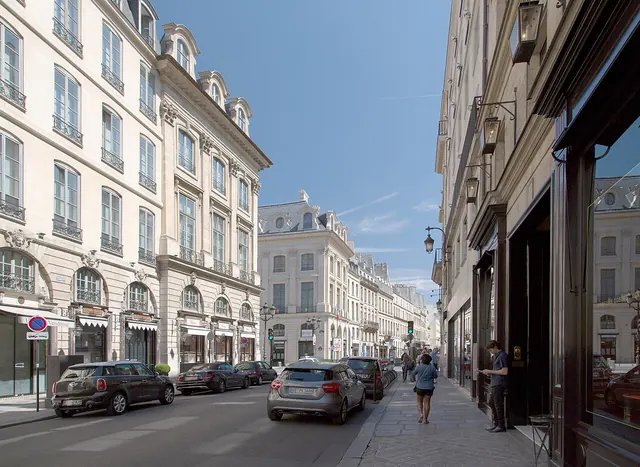
Parisian ceramic and fragrance house whose incense is named after places around the world and handmade with incense masters on Awaji island in Japan.
Auroshikha
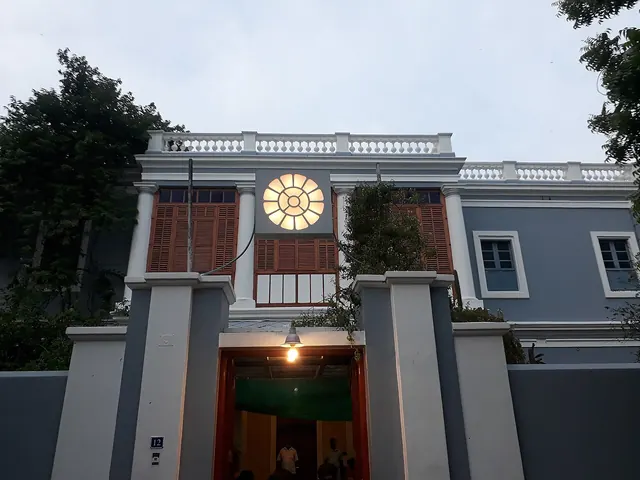
The incense unit of the Sri Aurobindo Ashram in Puducherry, started in 1973.
Baieido
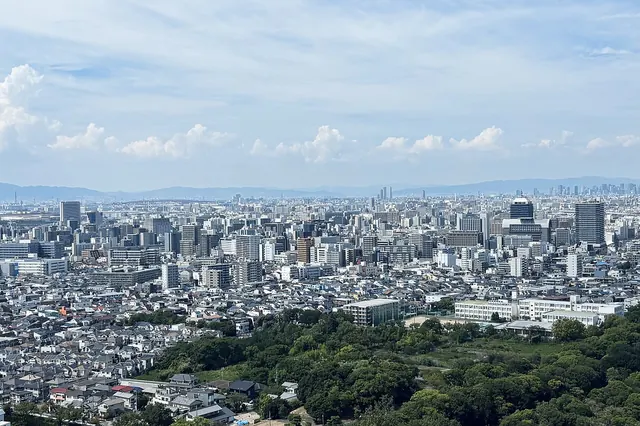
Historic house from Sakai, founded by a medicinal wholesaler who took the name Jinkoya Sakubei in 1657. It specializes in agarwood.
Cycle Pure Agarbathies
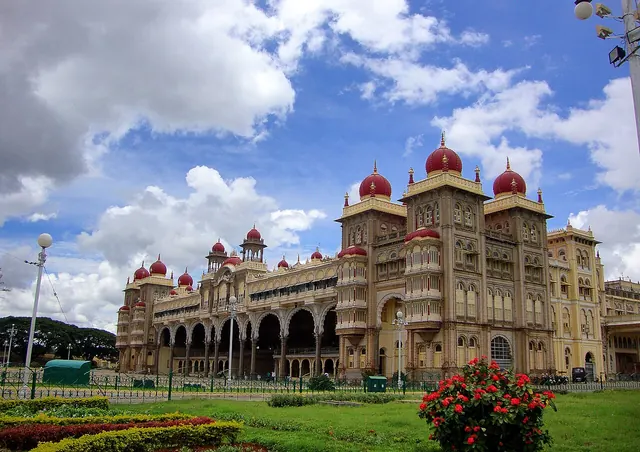
Mysuru-based household name in India, from the NR Group founded by N. Ranga Rao.
Dr. Dolkar
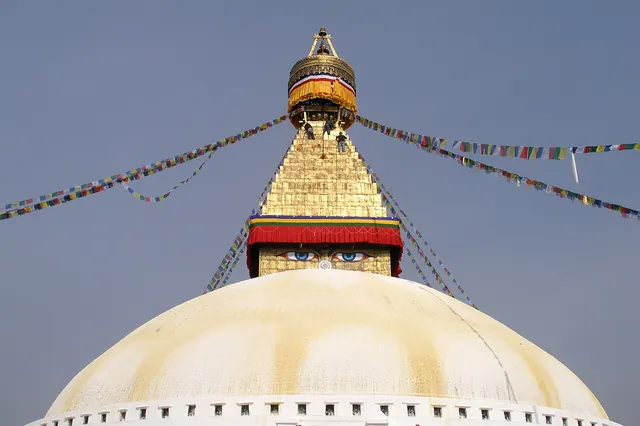
Incense range associated with Tibetan physician Tsewang Dolkar Khangkar, sold through Les Encens du Monde. Sellers cite production in Nepal or New Delhi.
Dupalo
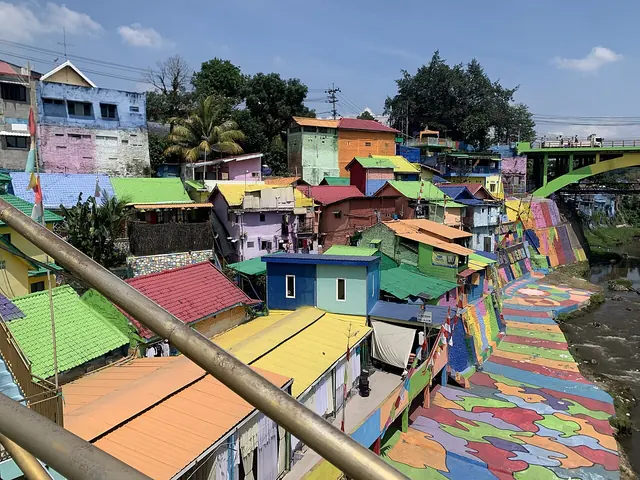
Aromatherapy incense maker in Malang, East Java, reported to have dozens of scents and to export to countries including Japan and Myanmar.
Goloka
Indian brand whose incense is sold as handcrafted in Bangalore. Sources disagree on who owns it today.
Gyokushodo
Traditional Japanese maker known for classic aloeswood sticks.
HEM
Indian brand widely sold in hexagonal packs of 20 hand-rolled sticks.
hibi
Match-style incense made in Hyogo by Kobe Match and Daihatsu Incense. Strike it like a match and it burns for about ten minutes.
Nado Poizokhang
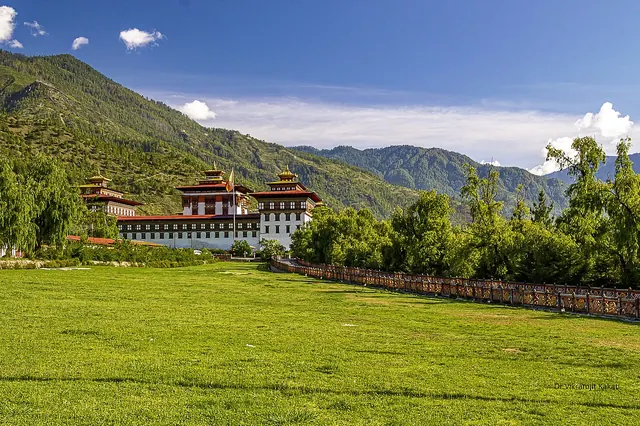
Family incense maker in Thimphu that describes itself as Bhutan's oldest maker of hand-made incense sticks, using materials specified in Buddhist texts.
Nippon Kodo
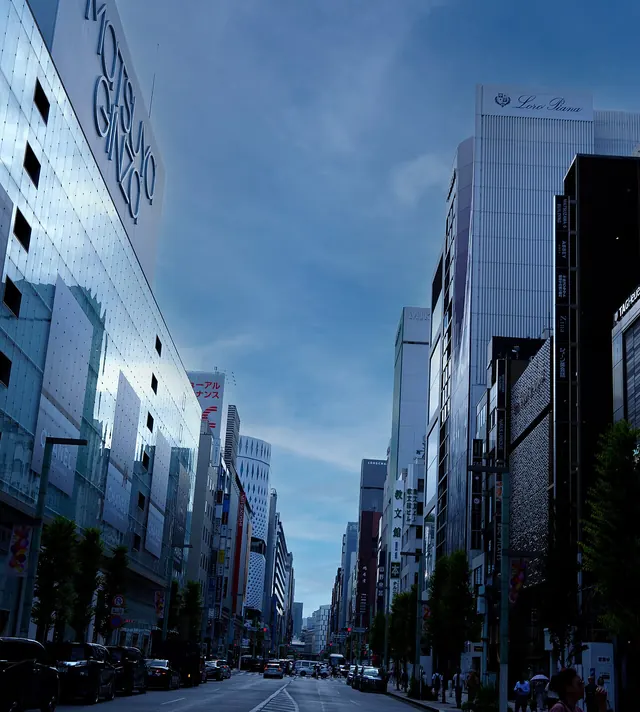
One of Japan's best-known incense houses. It traces its roots to the court incense master Koju Takai, and the Nippon Kodo Group was established in 1965.
Papier d'Arménie
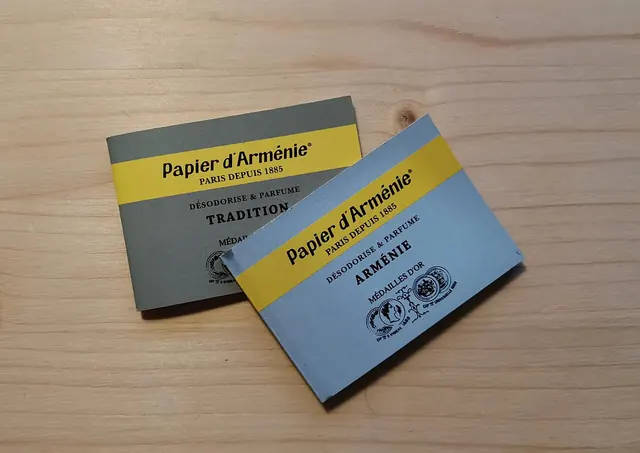
French paper incense, produced since 1885 after Auguste Ponsot saw benzoin being burned in Armenia. Still sold as booklets of treated strips.
Santa Maria Novella
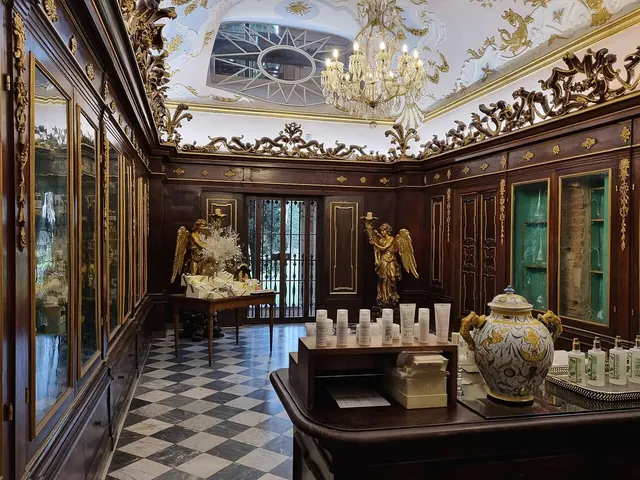
Historic Florentine pharmacy with origins among the Dominican friars of Santa Maria Novella.
Shoyeido
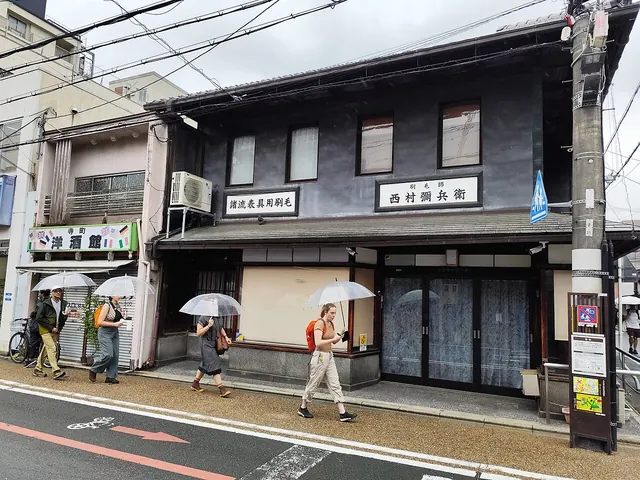
Family-run Kyoto house known for refined blends, from everyday sticks to ceremonial incense.
Shrinivas Sugandhalaya (Satya)
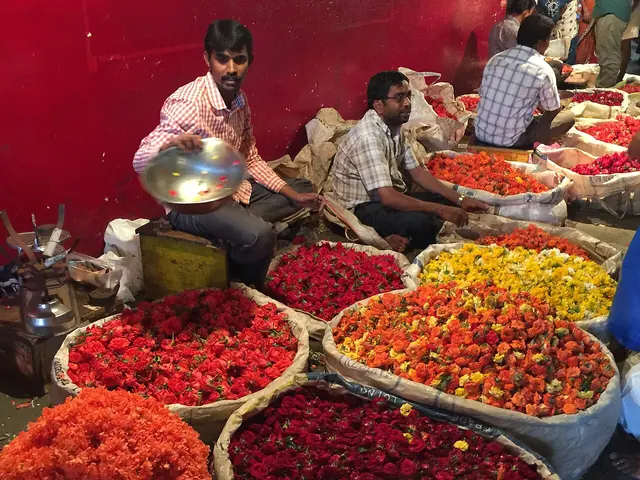
Maker of the Satya line and creator of the original Satya Sai Baba Nag Champa. Sources date its agarbatti making to 1964, and its incense is now made in Bangalore and Mumbai.
Photo credits (16)
Photos were resized, converted to WebP and may be cropped for display. Each keeps its original license.
- Rue Saint-Honoré, Paris. A scene-setting photo, not from this brand. Norio NAKAYAMA from saitama, japan, CC BY-SA 2.0
- The Sri Aurobindo Ashram in Puducherry, home of the Auroshikha incense unit. A scene-setting photo, not from this brand. Pinakpani, CC BY-SA 4.0
- Sakai in Osaka Prefecture, Baieido's home. A scene-setting photo, not from this brand. Sakai Yayoi, CC0
- Mysore Palace in Mysuru, Cycle's home city. A scene-setting photo, not from this brand. Whistleraja, CC BY-SA 4.0
- Boudhanath Stupa, Kathmandu. Sellers cite production in Nepal or New Delhi. A scene-setting photo, not from this brand. Vyacheslav Argenberg, CC BY 4.0
- Kampung Warna Warni Jodipan, Malang. A scene-setting photo, not from this brand. Rafliyan18, CC BY 4.0
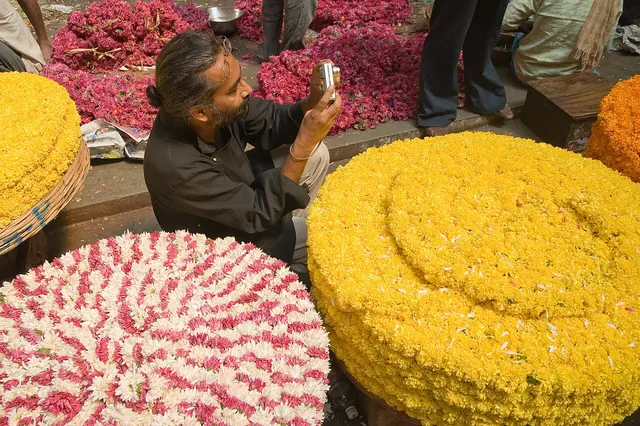
- Flowers at City Market, Bangalore. A scene-setting photo, not from this brand. Kiran Jonnalagadda from Bangalore, India, CC BY-SA 2.0
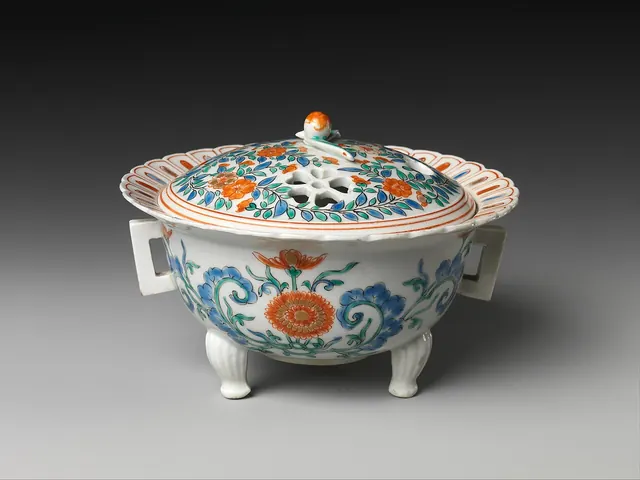
- A kōro, a Japanese porcelain incense burner, The Met. A scene-setting photo, not from this brand. Unknown, CC0
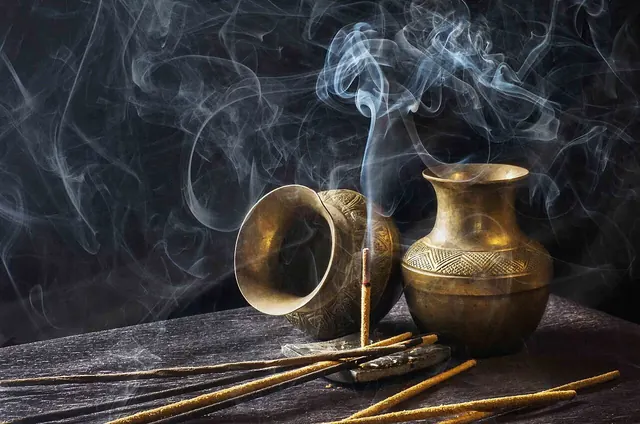
- Incense sticks burning beside brass pots in India. A general illustration. 4174332, CC0
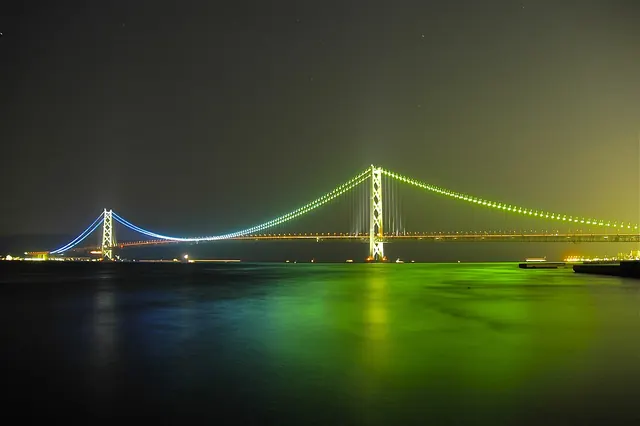
- The Akashi Kaikyo Bridge in Hyogo, leading to Awaji Island. A scene-setting photo, not from this brand. Stingy Scoundrel from Osaka, Japan, Public domain
- Thimphu, the capital of Bhutan and home of Nado Poizokhang. A scene-setting photo, not from this brand. Dr Vikramjit Kakati, CC BY-SA 4.0
- Ginza, Tokyo. A scene-setting photo, not from this brand. Don Ramey Logan, CC BY-SA 4.0
- Papier d'Arménie booklets. Diegomrtgz, CC BY-SA 4.0
- The museum of the Officina Profumo-Farmaceutica di Santa Maria Novella, Florence. Cristina Maioglio, CC BY-SA 4.0
- Teramachi-dori in Kyoto, Shoyeido's home city. A scene-setting photo, not from this brand. TKdows 2026, CC0
- KR Market, Bengaluru. A scene-setting photo, not from this brand. Heather Cowper, CC BY 2.0