Incense for prayer: how to choose in 3 Indonesian traditions
Disclosure: Dupa Incense is run by a Dupalo partner, so keep that in mind as you read. About
Incense for prayer is best chosen by the tradition you follow, not by brand. Chinese temple worshippers usually burn three sticks of hio. Balinese Hindus pair a stick with canang sari. Some Javanese pilgrims burn benzoin with their prayers. If you're unsure, ask your family, teacher or the people running your place of worship.
Incense for prayer in three traditions
This table summarizes the sources we read, so it isn't religious law. Customs can differ between regions, families and places of worship.
| Tradition | Form often mentioned | Note |
|---|---|---|
| Chinese temples and homes | Hio | Often three sticks, or another odd number |
| Balinese Hinduism | Balinese sticks | Accompanies canang sari |
| Javanese pilgrimage and selamatan | Benzoin | Not every pilgrim uses it |
Hio in Chinese prayer
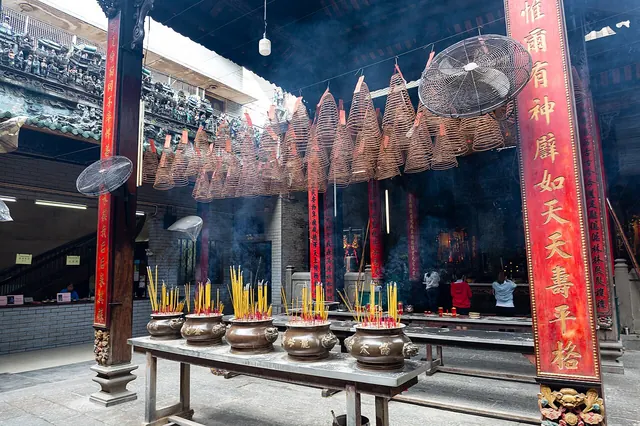
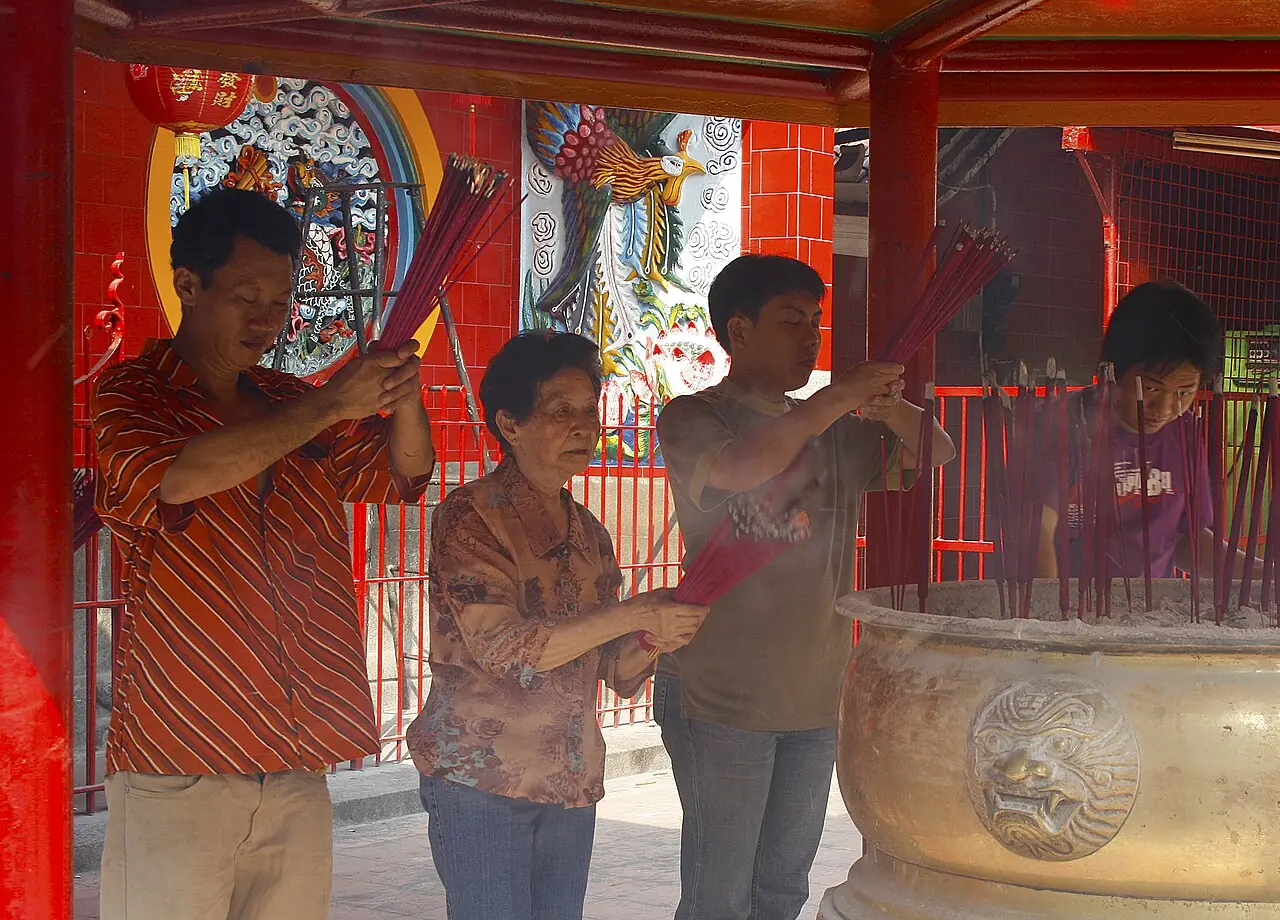
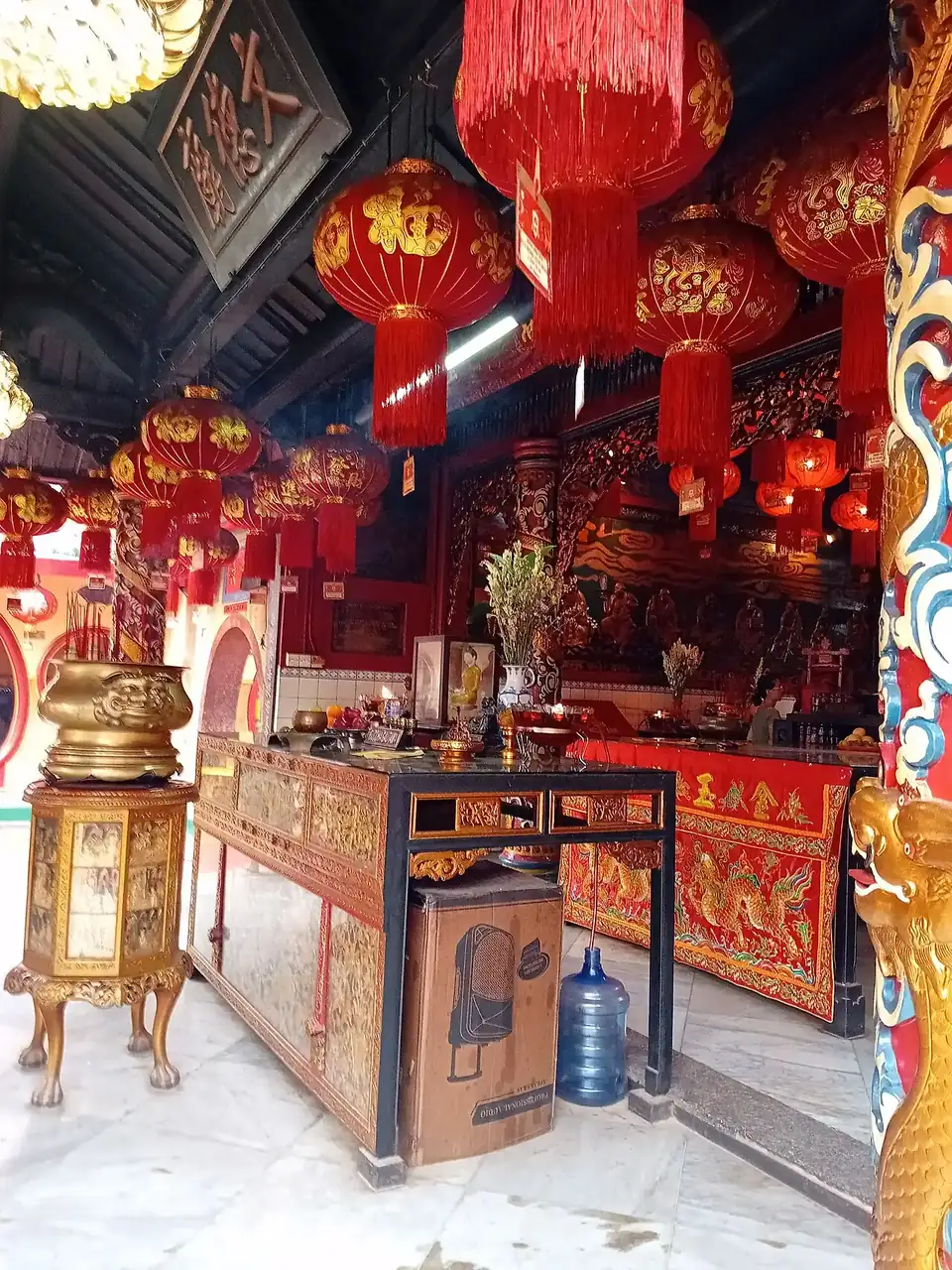
RRI writes that worshippers generally burn three sticks of hio, standing for heaven, earth and humanity. They may also use other odd numbers. Meanwhile, Medcom.id reads the three sticks as God, earth and ancestors. So the same practice can be explained in different ways.
Medcom.id also describes an order at the temple. Worshippers light the incense, bow forward, bow to the main altar, then bow left and right. After that, they can continue to other altars. This order may not be the same everywhere, so follow local guidance.
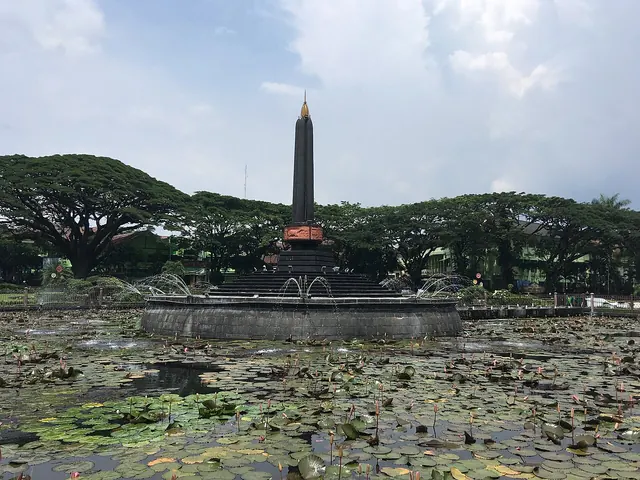
In Malang, one well-known place of prayer is Eng An Kiong temple on Jalan Martadinata. Its central room dates to 1825, according to detikJatim. We didn't find its incense rules in detail, so ask the caretakers before bringing your own.
Incense in Balinese Hindu offerings
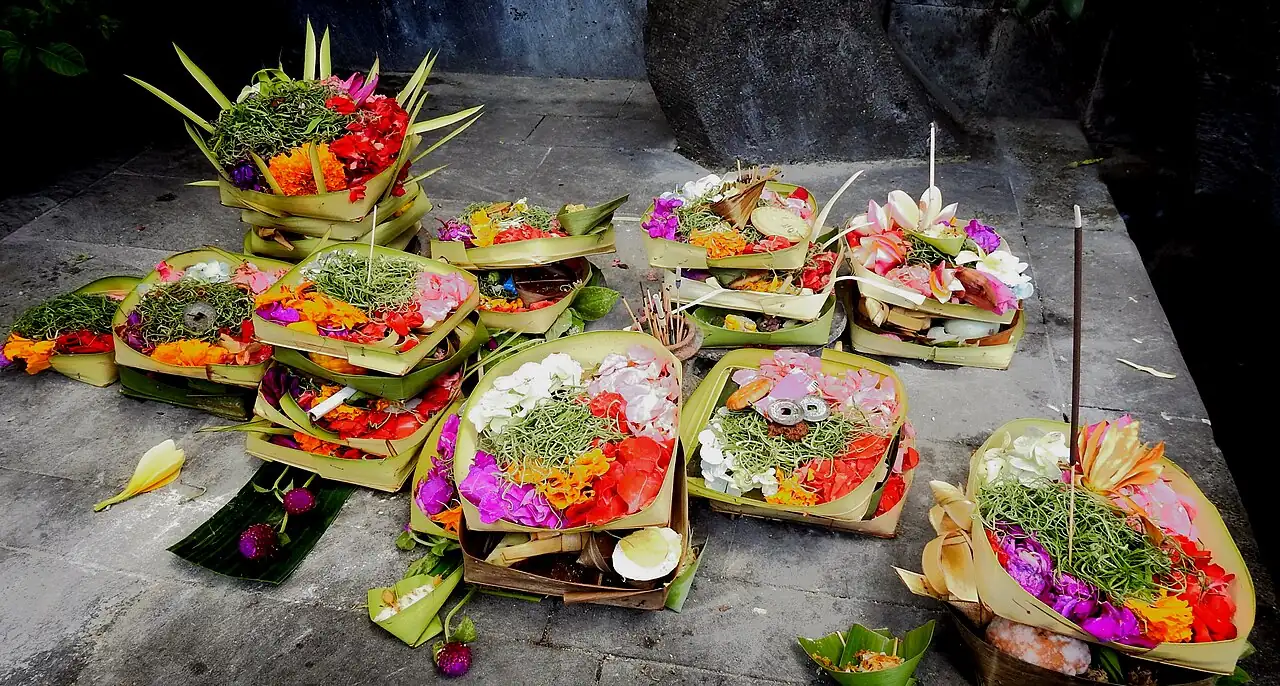
With canang sari, the devotee lights a stick of incense and wafts it. NOW! Bali says this carries the essence of the offering up towards God. So the incense here is part of the offering, not just a room fragrance.
The sources we read don't set one required scent. If you're buying for family in Bali, ask about their custom first. For example, marketplace listings include a variant named Canang Sari, but that name comes from the seller and we haven't tested it.
Benzoin in Javanese pilgrimage and selamatan
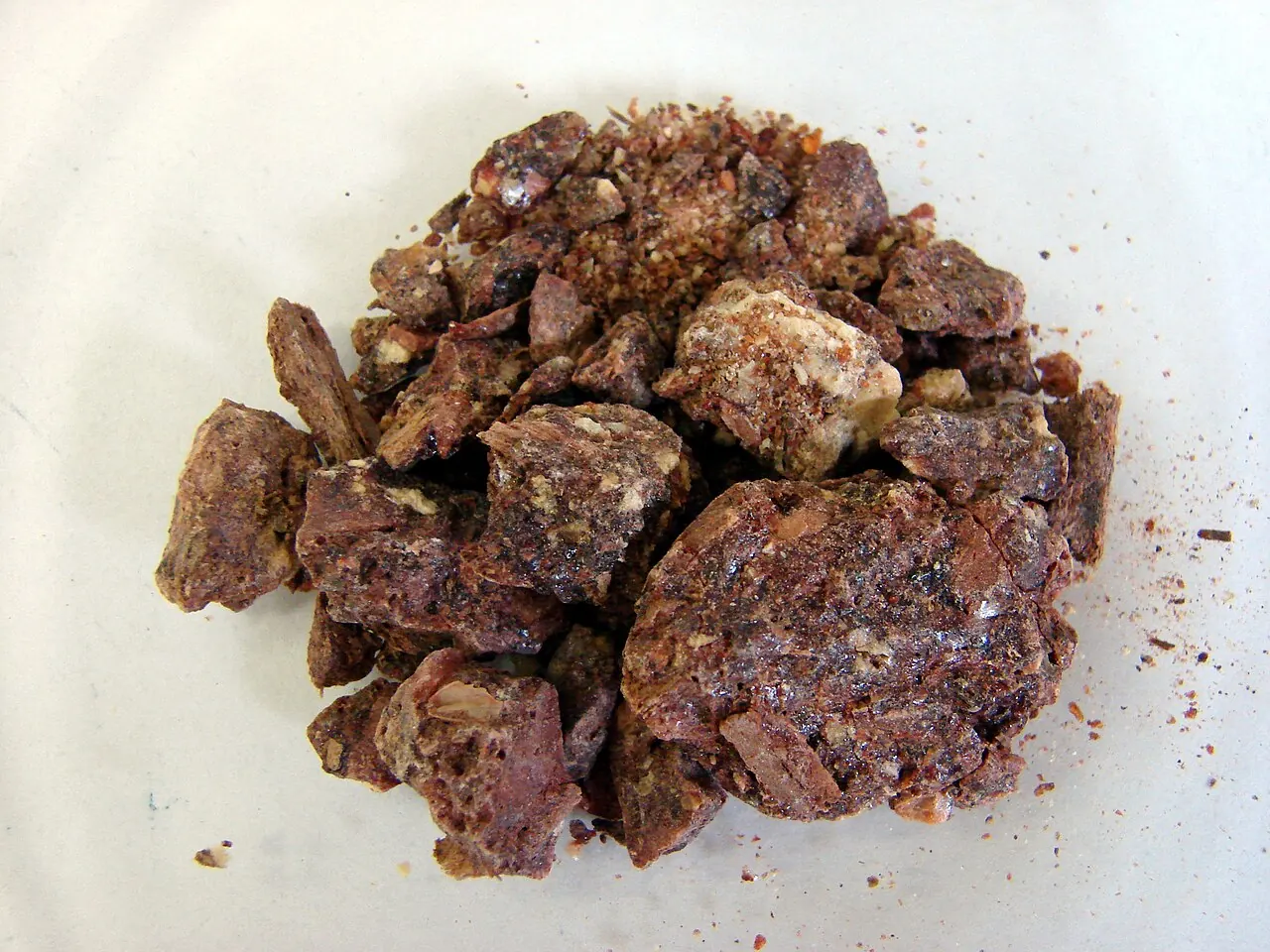
Some nyekar and selamatan traditions burn benzoin with prayers, as Good News From Indonesia reports. However, this isn't universal. A study in the journal Purbawidya on pilgrimage to the tomb of Sunan Gunung Jati notes that incense isn't required of ordinary pilgrims.
So don't treat incense as a condition of pilgrimage. Many families have their own customs, and some burn nothing at all. Ask about the rules at the grave you're visiting too, because caretakers may limit burning.
How to choose incense for prayer at home
Choosing incense for prayer gets easier once you know your family's custom. This list is an editorial suggestion, not a religious rule.
- Follow custom first: the number of sticks, the timing and the prayers come from your tradition.
- Match the room: a small room fills with smoke quickly, so start with one stick if your tradition allows it.
- Read the pack: sellers often don't state ingredient amounts. For example, the words agarwood or sandalwood don't always mean much real wood.
- Compare sellers: the same product name can carry different prices, as our Dupalo price table shows.
- Note seller claims: ATMA Menyan Madu Gaharu is sold for prayer and offerings, but that's the seller's claim.
If you'd like to combine incense for prayer with element matching, try the Dupa Incense Almanac. Its matching is an editorial reading, not part of any religious rite.
Safety when using incense for prayer
Incense is a small flame that people often leave burning. So place incense for prayer in a heat-proof holder, away from fabric and out of children's reach.
The smoke matters as well. Lingnan University measured the air at five busy temples in Hong Kong and recorded a PM2.5 peak of 466 μg/m³ indoors. That figure comes from busy temples, not homes, so don't treat it as equal to a family altar.
Even so, open a window when you burn incense indoors. If someone at home has breathing problems, talk with a doctor and consider burning it outdoors. Our article on incense smoke has more detail on the risks.
Editorial note
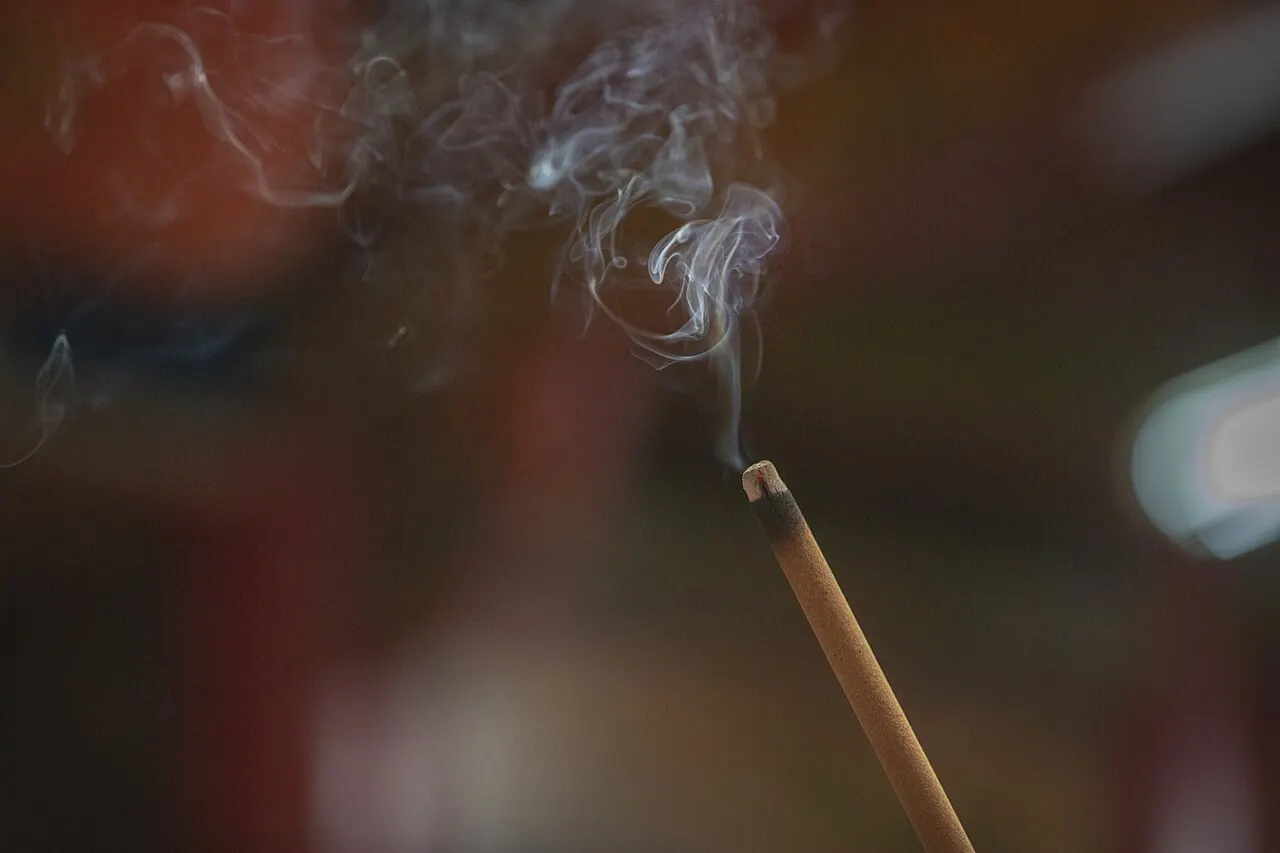
Dupa Incense is run by a Dupalo partner, so we have an interest in the Dupalo product named here. We aren't a religious authority, and this article only summarizes the sources we read. The photos are illustrations, not Dupalo product photos.
Frequently asked questions
How many sticks of hio are used for prayer?
The sources we read most often mention three sticks, and other odd numbers can also be used. Follow your family's custom or your temple's guidance.
Does every pilgrimage use incense?
No. A study of pilgrimage to the tomb of Sunan Gunung Jati notes that incense isn't required of ordinary pilgrims, and family customs differ.
Can I bring my own incense to a place of worship?
Rules differ from place to place. Some provide their own incense, so ask the caretakers before you bring any.
Sources
- RRI: Makna dan Filosofi Pembakaran Dupa Saat Imlek
- Medcom.id: Makna ritual sembahyang di klenteng
- detikJatim: Kelenteng Eng An Kiong Malang (2024)
- NOW! Bali: Canang sari, Bali's daily offering
- Purbawidya (BRIN): Makna dupa dalam ziarah Sunan Gunung Jati
- Good News From Indonesia: Ritual sesajen nyekar
- Lingnan University: pengukuran udara di kuil Hong Kong (2021)