How this works, and what it can't do
The four pillars use the stem-branch cycle. The year changes at Lichun and months change at the twelve "jie" solar terms, not at the lunar month. We checked our engine against the lunar-python library on thousands of dates, and checked lunar dates and solar terms against the Hong Kong Observatory's 2026 and 2027 tables.
The hour pillar uses clock time, without the true solar time correction some practitioners apply. Between 23:00 and midnight we keep the same day pillar and take the hour stem from the next day. Schools differ on this, so a chart near a boundary may differ elsewhere.
Strength and favorable elements are simplified. We count stems and hidden stems, double the month branch, then call the Day Master strong above 55% support and weak below 42%. Real practitioners also weigh chart structure, climate and luck cycles, and they don't always agree.
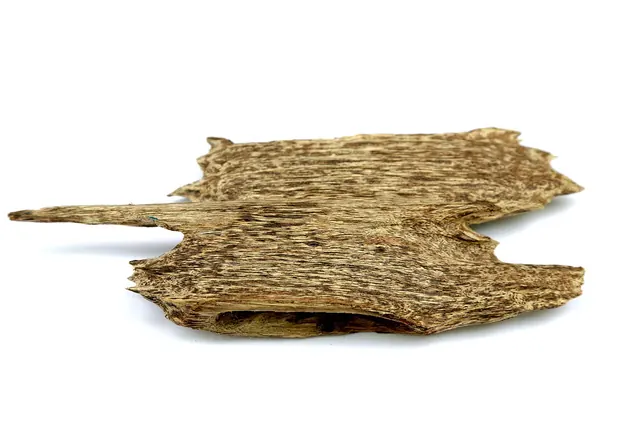
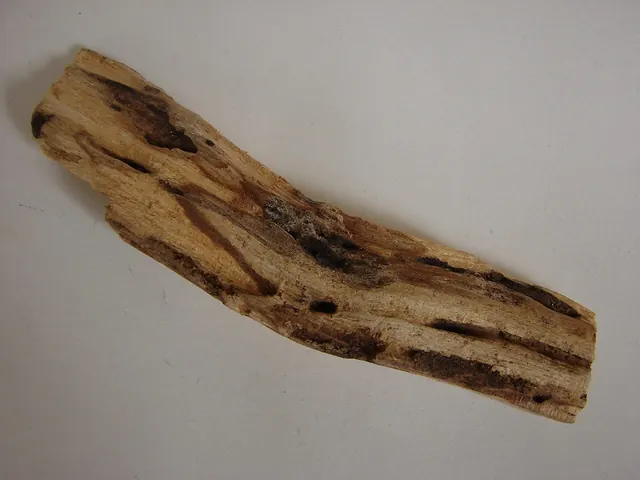
Sources disagree on scents. For example, The Soul Terrain puts sandalwood under Wood and myrrh under Metal, while Monian Life puts both among deep base notes for Metal and Earth. We place sandalwood under Earth because the classic tables link Earth with sweetness and fragrance.
Please read this
We found no scientific evidence that BaZi, Kua numbers or element matching predict anything or change luck, health or wealth. This page is for culture and enjoyment, so don't base medical, money or legal decisions on it.
Dupa Incense hasn't tested whether a scent feels different in a given year. Incense smoke contains fine particles and irritant gases, so use good ventilation and avoid it if you have breathing problems.
The ritual uses come from the sources listed below, and some come only from a seller. Choosing incense by BaZi isn't part of these religious rites. It's a personal way to choose within what your tradition allows.
Sources
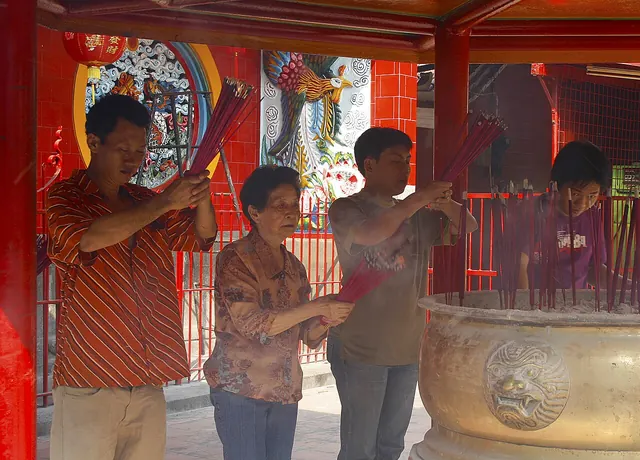 Hio Tionghoa-IndonesiaUsed in klenteng and Chinese-Indonesian homes, often as three sticks.
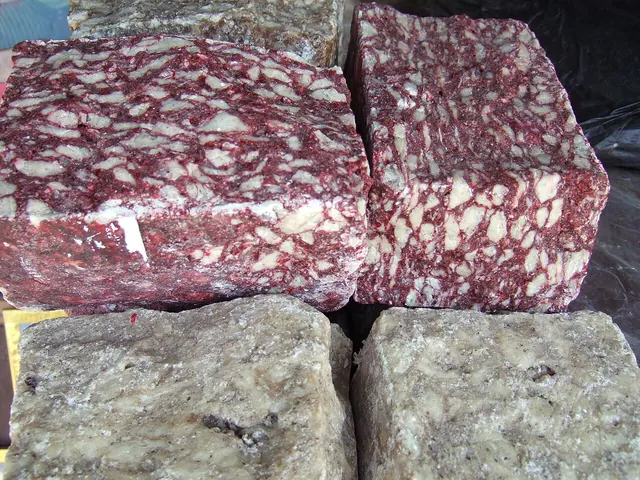 ATMA Menyan Madu GaharuThe seller lists it for prayer, ritual and offerings.
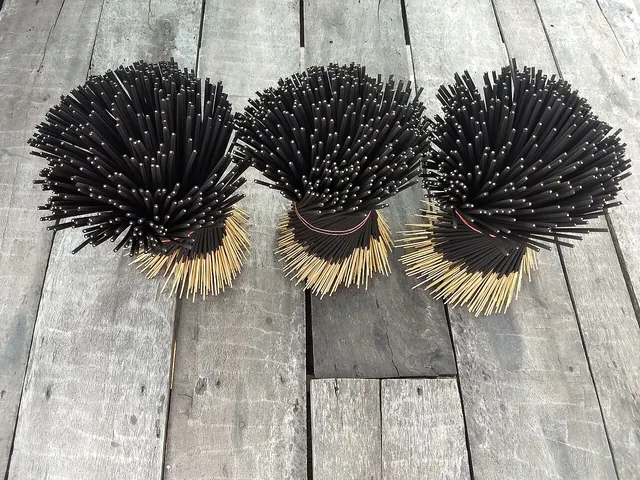 ATMA Getah AmberThe seller lists it for prayer, ritual and offerings.
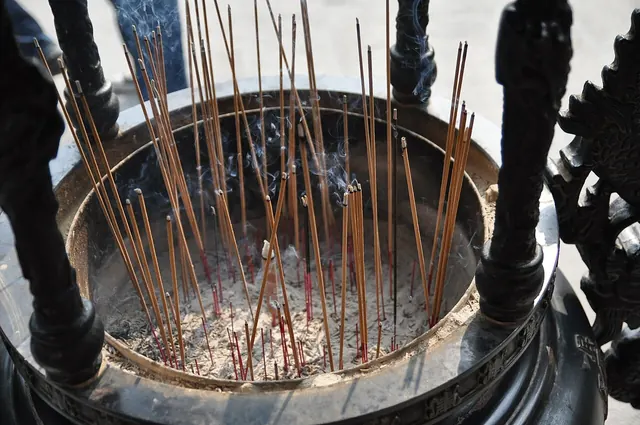 Dupalo CendanaMalang incense makers report rising demand before Lunar New Year. Check that it suits your rite.