Indonesian incense: 4 important production regions, from Malang to Pontianak
Indonesian incense mostly comes from home businesses and small factories rather than large corporations. Media reports point to production centers in Malang, Bali, Tangerang and West Kalimantan, with demand that follows the religious calendar.
A quick map of production regions
This table sums up the areas that appear in our sources. It isn't complete, because we only include what's recorded in the reports we read.
| Region | Example | What stands out | Data year |
|---|---|---|---|
| Malang city | Dupalo | Dozens of scents and exports | 2021–2024 |
| Dalisodo, Malang Regency | Eight village makers | Large supplier to Bali | 2022–2025 |
| Baha village, Badung, Bali | Local small businesses | At least 500 kg a day | 2025 |
| Munggu village, Badung, Bali | Yulia Agni | Red incense for Lunar New Year | 2023 |
| Tangerang, Banten | Home industry | Drying before Lunar New Year | 2026 |
| Sungai Raya, Kubu Raya, West Kalimantan | Harjono's workshop | More than 10,000 sticks a day | 2022 |
Malang: Indonesian incense from village makers to exporters
Malang is interesting because it has two faces. In the city, Dupalo has built a brand and sells dozens of scents. In the regency, village makers supply large volumes to other islands.
Dalisodo village in Wagir district is a clear example of Indonesian incense at the village level. In 2023, Jatim Times reported that makers there could receive up to 1 ton of orders a week, with most shipments going to Bali and some to Surabaya. Semi-finished incense then sold for about Rp6,000 per kilogram.
The story of Giman in Bedali hamlet shows an important shift. He once made only semi-finished incense, then began trying scented sticks in 2017 and succeeded in 2021. His scents include jasmine, champak and sandalwood, at Rp7,000 to Rp25,000 per bundle. He also started selling online.
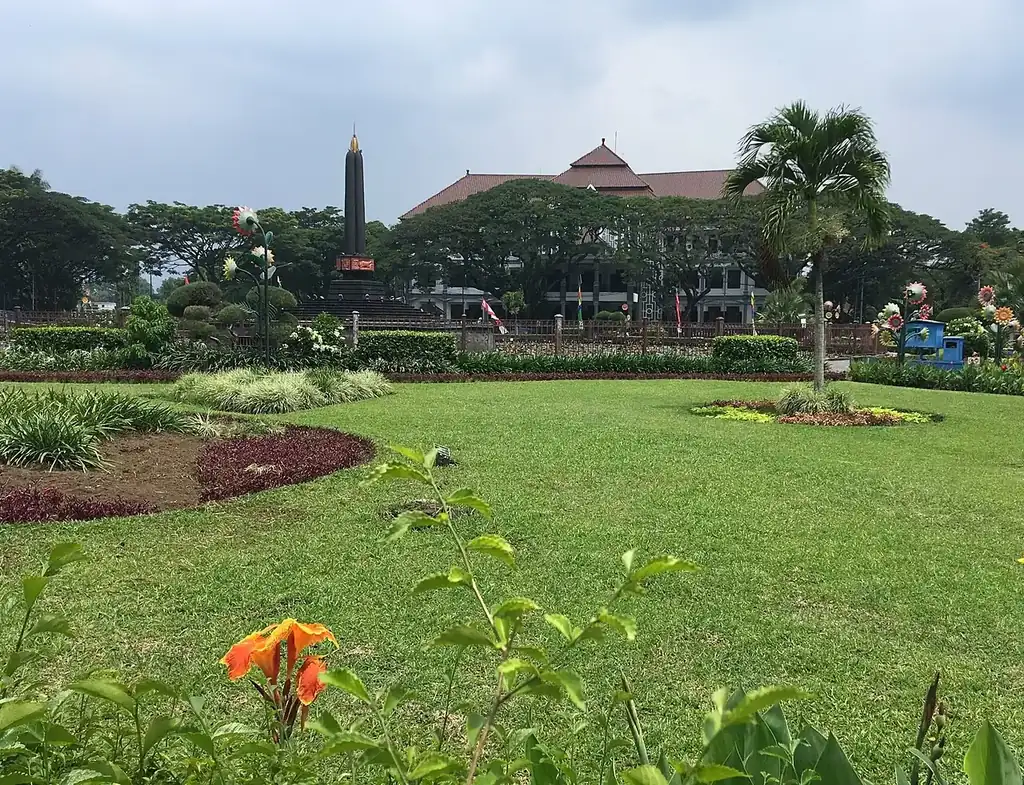
A shared brand plan in Dalisodo
Competition between makers is a problem in itself. In 2025, Jatim Times counted eight makers in Dalisodo, and the village government planned to bring them together under its village-owned enterprise. That way, they would sell jointly rather than separately.
The plan has three main goals:
- Selling at fairer, more stable prices.
- Building partnerships with buyers in Bali.
- Creating a Dalisodo brand, including packaging in the village.
This plan is worth watching, because the biggest added value often lies in branding and packaging. However, our sources haven't reported the results, so we don't yet know whether it went ahead.
Bali: Indonesian incense close to its market
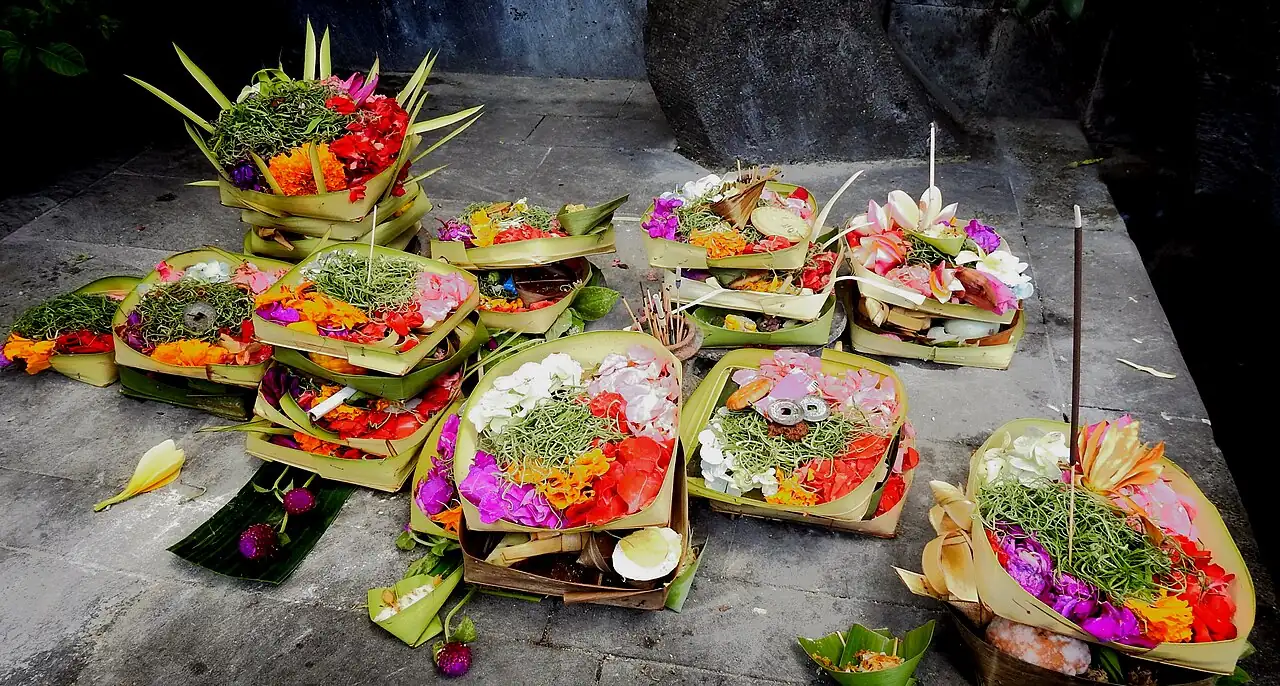
For Indonesian incense, Bali is both a market and a production center. Hindus use incense in daily offerings such as canang sari, so demand lasts all year.
In Baha village, Badung, small producers were reported to make at least 500 kg a day in 2025, at Rp20,000 per kilogram. They take orders for Hindu holy days and Lunar New Year. However, the rainy season slows down drying.
Meanwhile, Yulia Agni in Munggu village was founded in 2019 and employed 15 people in 2023. It sold red incense in 800-gram packs for Rp35,000 to Rp40,000. It also made a large dupa tiong that burns for about five hours. Its biggest orders came from Lampung, then Sulawesi, Lombok and cities in Java.
Growth in Bali also affects other regions. A maker in Malang told Jatim Times that many new businesses had appeared in Bali, including some using machines.
Tangerang: Indonesian incense before Lunar New Year
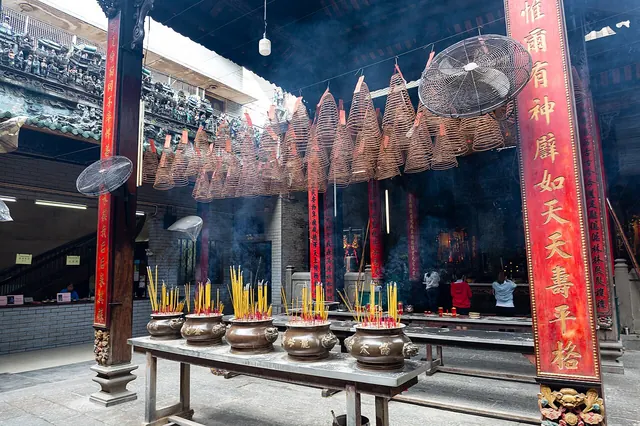
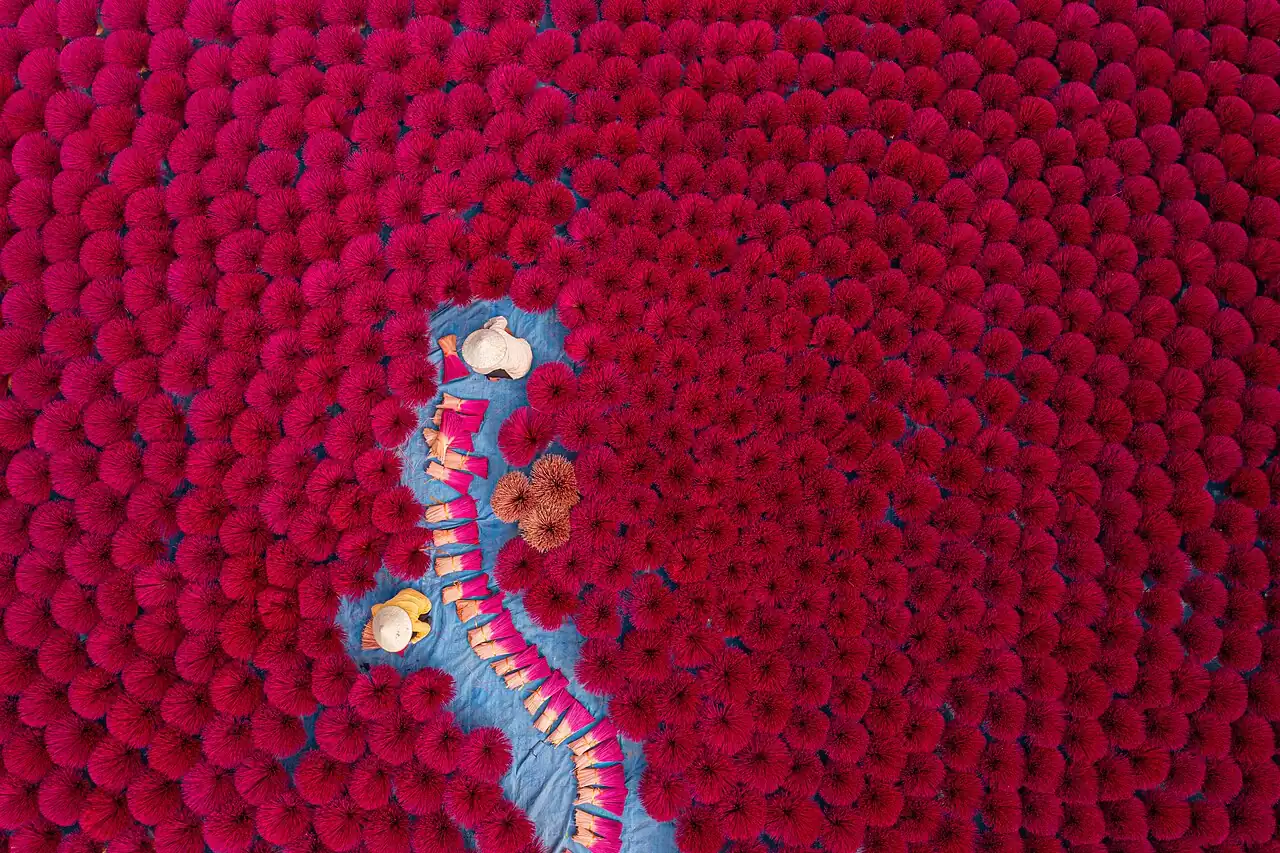
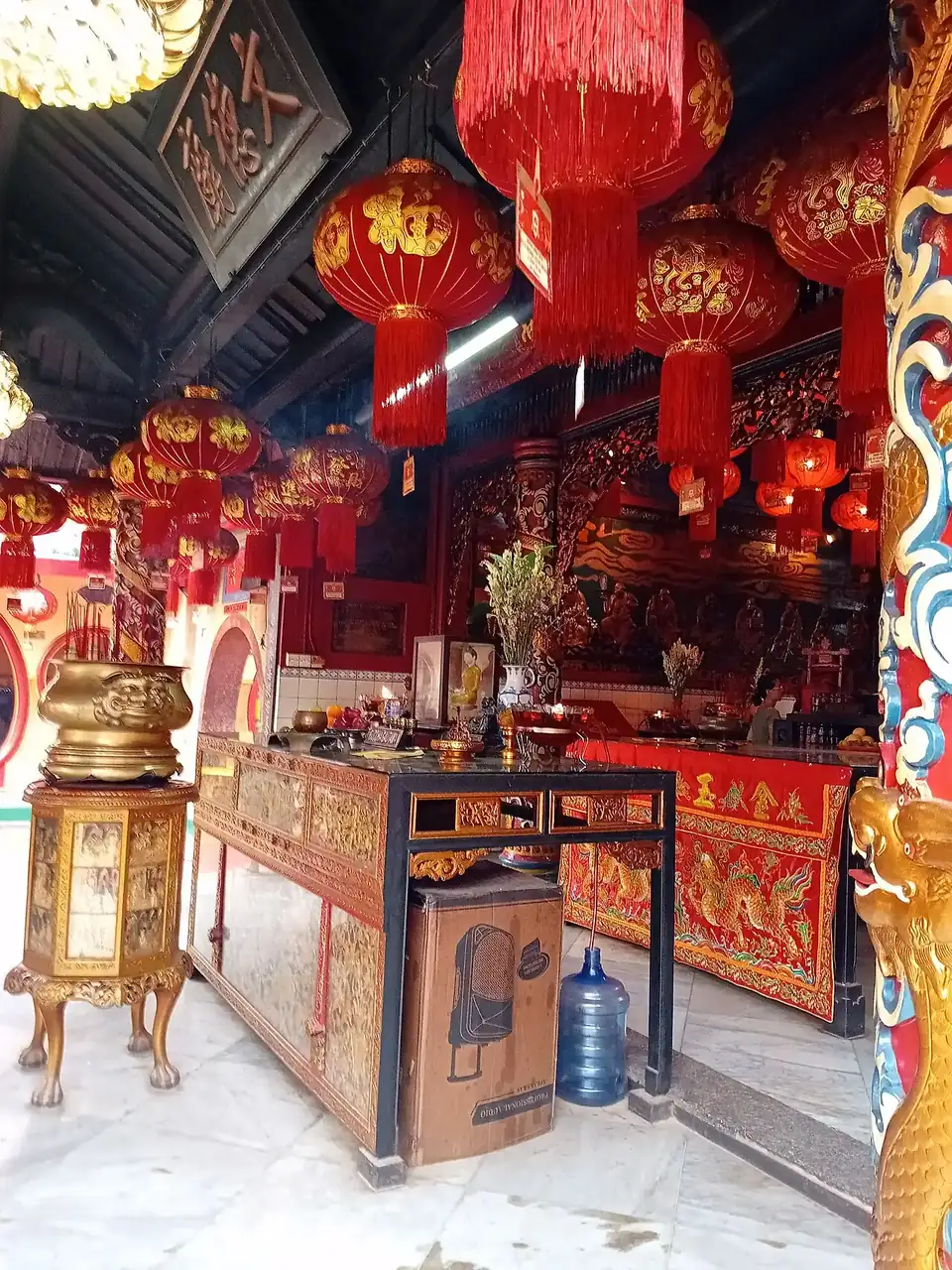
Tangerang has a Chinese community with a long history, including the old Boen Tek Bio temple. Reuters photos published by detikFinance in February 2026 show home-industry workers there drying incense sticks.
The report says demand usually surges several weeks before the peak of Lunar New Year. As a result, producers speed up production and drying. Unfortunately, this source doesn't name the business or its output.
West Kalimantan: Indonesian incense outside Java and Bali
An example from outside Java and Bali comes from Sungai Raya, Kubu Raya. In 2022, Republika reported that Harjono's workshop, then only four years old, made more than 10,000 sticks a day.
Orders rose sharply from two weeks before Lunar New Year, mainly from the Chinese community in West Kalimantan. Prices ranged from Rp350 to about Rp23,000 per stick, depending on size. That range shows how wide the hio market is, from small daily sticks to large festive ones.
The supply chain is interesting too. The business brought in flour from Semarang, calcium from Jakarta, sticks from Jember and Malang, and glue from Thailand. So a single stick of Indonesian incense can involve many regions and even imported materials.
Why demand for Indonesian incense is seasonal
The religious calendar largely decides how much Indonesian incense gets made. Here is the pattern that appears in the reports:
| Time | Need | Example |
|---|---|---|
| Before Lunar New Year | Hio and red incense | Yulia Agni expected a rise of up to 100 percent |
| Before Lunar New Year | Scented incense | Dupalo reported a rise of 10 to 20 percent |
| Galungan and Kuningan | Incense for Hindus | Orders to Bali and Malang |
| All year | Daily offerings | A steady market in Bali |
For makers, this pattern means uneven income. In addition, the Lunar New Year peak often falls in the rainy season, even though drying depends on the sun. That clash comes up again and again in the reports.
The calendar doesn't always help either. In 2022, Giman said demand didn't rise as usual before Galungan, Nyepi or Lunar New Year, because of the pandemic and new competition.
How makers produce Indonesian incense
In general, palm-rib incense follows the same order, although recipes differ. First, makers prepare a dry palm rib or bamboo sliver. Then they mix sawdust, flour or binder, and water into a paste.
After that, the paste coats the stick by hand or machine. The stick then dries, usually in the sun. The last stage is adding scent and packing. Dupalo, for example, uses teak sawdust and sprays on fragrance once the base is ready.
A guide from BWC India separates two main approaches. Masala sticks use a paste that already contains fragrant materials, while blank sticks take scent later. The guide also says cheap incense often comes from dipped blanks. So price and method are usually closely linked.
The value chain: from semi-finished to branded
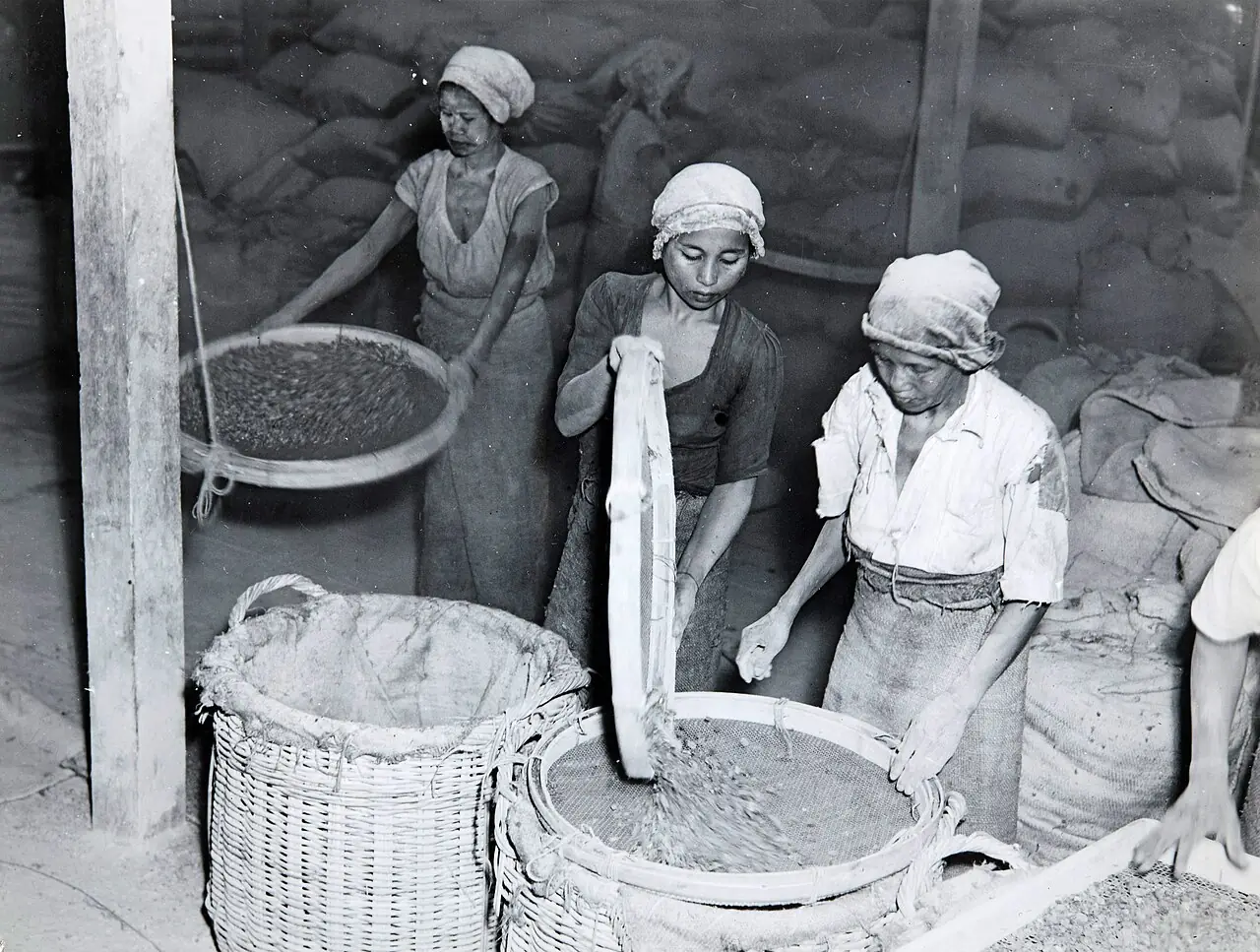
Not every maker of Indonesian incense sells a finished product. Many sit in the middle of the Indonesian incense chain, so the largest margin goes elsewhere. In simple terms, the chain looks like this:
- Raw materials: sticks, sawdust, flour, binder and fragrance.
- Semi-finished incense: unscented sticks, often sold by the kilogram.
- Scented incense: sticks that already carry fragrance.
- Brand and packaging: a product with a name and label.
- Retailers and marketplaces: the last step to the buyer.
The price gap is clear in the reports. Semi-finished incense in Dalisodo cost about Rp6,000 per kilogram in 2023, while Dupalo reported Rp324,000 for one kilogram of its gold grade in 2024. These aren't the same products, of course, but the gap shows how much value comes from scent, quality and branding.
Challenges producers face
Reports on Indonesian incense reveal a few recurring problems:
- Weather: drying depends on the sun, especially in the rainy season.
- Branding: some makers have no brand of their own, so they compete on price.
- Income: earnings follow the religious calendar.
- Competition: new businesses and machines put pressure on older makers.
- Raw materials: some inputs come from other regions or even abroad.
- Trust: quality claims are hard to compare, because ingredient lists and certificates are rarely open.
The pandemic hit Indonesian incense makers hard as well. Jatim Times noted shipments falling to twice a month during that period. However, businesses already selling online, such as Dupalo, reported a lighter impact.
How to choose a supplier for your business
If you plan to resell or order in bulk, run a few simple checks before you pay. Here are the steps we suggest:
- Ask for a small sample. Burn it in a normal room, then note the scent, smoke and burn time.
- Ask about materials. Request details on the stick base, binder and type of fragrance.
- Check consistency. Compare two separate shipments, because quality can change between batches.
- Work out the price per stick. Price per kilogram can mislead when stick sizes differ.
- Ask for evidence. Sellers should be able to show certificates and lab tests they mention.
- Ask about peak capacity. Order well before Lunar New Year or holidays, because drying can run late.
- Agree on packaging and labels. Make sure scent descriptions won't mislead end buyers.
How home buyers can choose local incense
Home buyers of Indonesian incense don't need a laboratory. Start with a small pack, then read reviews that mention scent strength and the amount of smoke. It also helps to learn the types of incense, because form strongly shapes the experience.
Use any incense with good ventilation too. Read our guide to smoke safety if you burn it regularly at home. If you'd like to try raw materials from the archipelago, see Sumatran benzoin and cat's eye dammar.
What affects Indonesian incense prices?
Indonesian incense prices vary widely, and a single figure can easily mislead. This table collects the numbers from the reports we read, so you can see the range:
| Product | Reported price | Year | Place |
|---|---|---|---|
| Semi-finished incense | About Rp6,000 per kg | 2023 | Dalisodo, Malang |
| Small-business incense | Rp20,000 per kg | 2025 | Baha, Bali |
| Scented incense per bundle | Rp7,000 to Rp25,000 | 2022 | Bedali, Malang |
| Red incense, 800 grams | Rp35,000 to Rp40,000 | 2023 | Munggu, Bali |
| Hio per stick | Rp350 to about Rp23,000 | 2022 | Kubu Raya, West Kalimantan |
| Pack of 9 sticks | Rp18,000 | 2024 | Dupalo, Malang |
| 1 kg of gold grade | Rp324,000 | 2024 | Dupalo, Malang |
At least five factors explain the differences:
- Stage of production: semi-finished incense costs far less than finished products.
- Fragrance: better oils raise the cost.
- Stick size: one large hio can equal dozens of small sticks.
- Brand and packaging: both add value as well as cost.
- Season: orders before holidays can push up prices and deadlines.
So don't compare makers of Indonesian incense on price per kilogram alone. Compare stick count, burn time and quality too.
Where producers get raw materials
Raw materials shape both the cost and quality of Indonesian incense. The workshop in Kubu Raya, for example, uses inputs from many places. Malang also supplies sticks to other regions, according to Republika.
| Material | Function | Example origin in reports |
|---|---|---|
| Palm rib or bamboo | Stick core | Jember, Malang |
| Sawdust | Burning material | Teak sawdust at Dupalo |
| Flour | Paste binder | Semarang |
| Calcium | Mixture ingredient | Jakarta |
| Glue | Adhesive | Thailand |
| Fragrance | Aroma | Extracts and perfume oils |
This dependence cuts both ways. On one hand, small businesses can buy ready materials without much capital. On the other hand, price rises on imported inputs squeeze their margins directly.
The role of online marketplaces
Online selling has changed the market for Indonesian incense. Dupalo began selling online in 2019, and most of its overseas orders come through marketplaces. Giman in Bedali also moved online, because he felt the old approach wouldn't help his business grow.
Marketplaces offer real benefits. Small producers can reach distant buyers, test new scents and build up reviews. However, this route also demands tidy packaging, clear photos and honest descriptions.
Price competition on marketplaces can also be fierce. So producers need a real point of difference, such as a distinctive scent, clear materials or an origin story that buyers can check.
Five steps for makers of Indonesian incense
The reports show a fairly consistent pattern. Based on that pattern, here are five steps that seem sensible to us:
- Move from semi-finished to scented products. Giman took this route, although it needed years of trial and error.
- Build a simple brand. A clear name, logo and label already set a product apart.
- Join a group. The village enterprise plan in Dalisodo shows one way to avoid price wars.
- Be open about materials. Buyers ask more often now, and openness builds trust.
- Prepare drying for the rainy season. The Lunar New Year peak often falls in the rain, so a drying room can help a lot.
These steps are our suggestions rather than formal research findings. So adapt them to your capital and circumstances.
Claims buyers should check
Quality claims about Indonesian incense often appear without details. For example, the words natural, halal and internationally certified appear in media coverage, but the certificate type and issuer aren't always named. That doesn't make the claims false, but it does mean you can't verify them yet.
Health claims call for even more care. Incense isn't a medicine, and its smoke still contains fine particles. So choose makers of Indonesian incense who will explain their materials and usage warnings honestly.
Beyond sticks: Indonesia's aromatic materials
Indonesian incense isn't only about sticks. It also supplies historic aromatics, so the industry includes farmers and forest collectors:
- Benzoin from the Tapanuli highlands of North Sumatra.
- Agarwood from Aquilaria and Gyrinops, with trade regulated under CITES.
- Sandalwood from East Nusa Tenggara.
- Dammar from the community-managed forest gardens of Krui.
These materials face different conservation pressures. So when you buy, ask where they come from.
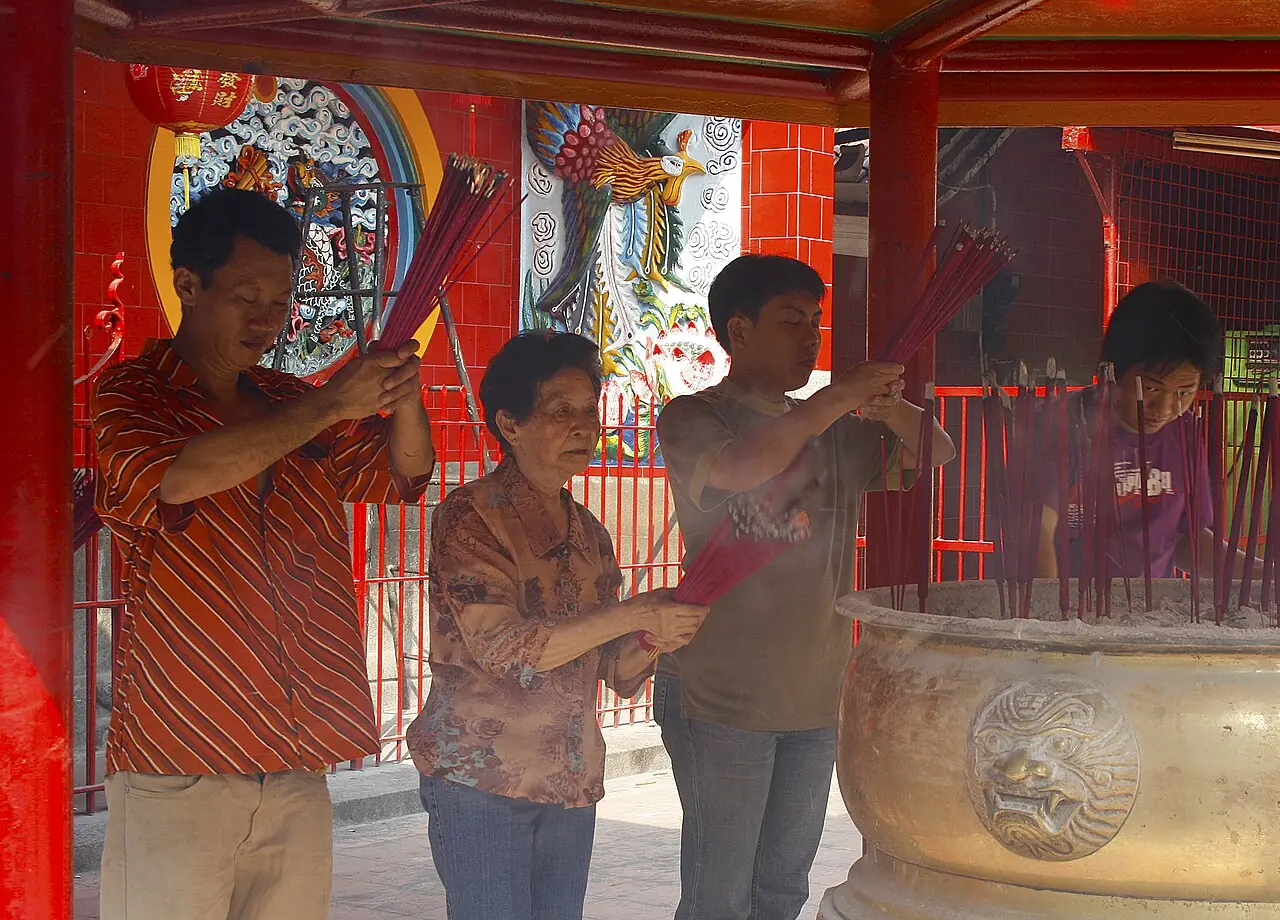
The limits of this article
This guide to Indonesian incense isn't a complete directory, and we don't rank producers. Output and price figures come from reports in specific years, so they may have changed. We also haven't visited these producers or tested their products.
If you make incense and want your details corrected, we'd like to hear from you. In the meantime, browse the catalog of incense from Indonesia on Dupa Incense.
Frequently asked questions
Where is Indonesian incense made?
Media reports point to production in Malang, Badung in Bali, Tangerang, and Kubu Raya in West Kalimantan. This list isn't complete.
When is demand for Indonesian incense highest?
Reports most often mention the weeks before Lunar New Year, as well as Hindu holidays such as Galungan and Kuningan.
How much does wholesale incense cost in Indonesia?
Reports cite about Rp6,000 per kilogram for semi-finished incense in Dalisodo in 2023, and Rp20,000 per kilogram in Baha village in 2025.
What's the difference between semi-finished and scented incense?
Semi-finished incense has no fragrance yet, while scented incense does. Scented incense usually costs more.
How do I choose a supplier for resale?
Ask for samples, ask about materials, compare a few shipments, and work out the price per stick before you order in bulk.
Where do the raw materials come from?
One West Kalimantan workshop brought in flour from Semarang, calcium from Jakarta, sticks from Jember and Malang, and glue from Thailand.
Sources
- Jatim Times: Pemdes Dalisodo Satukan UMKM Dupa (2025)
- Jatim Times: Perajin Dupa di Malang Kebanjiran Pesanan (2023)
- Jatim Times: Jelang Imlek, Produksi Dupa di Wagir Terus Menurun (2022)
- detikFinance: Melihat Produksi Dupa untuk Sembahyang di Bali (2025)
- detikBali: Pabrik Dupa Merah di Badung (2023)
- detikFinance: Produksi Dupa Meningkat Jelang Imlek (2026)
- Republika: Pesanan Dupa Meningkat di Kalbar (2022)
- Jawa Pos: Berhasil Ekspor hingga Pasar Eropa (2024)
- Medcom.id: Produsen Dupa di Malang (2021)
- BWC India: Agarbattis