Types of incense in Indonesia: an easy guide to 7 forms and how to choose
The types of incense in Indonesia fall into seven main forms: sticks, hio, cones, powder or ratus, resin, aromatic wood and coils. These types of incense differ in how you use them, how much smoke they make and what they're for, so the best choice depends on your room and purpose.
The 7 types of incense in one table
This table helps you compare quickly. The smoke levels are our general estimates rather than measurements, because the amount and materials matter too.
| Form | Examples | How to use | Estimated smoke |
|---|---|---|---|
| Sticks | Balinese dupa, aromatherapy sticks | Light the tip | Medium to heavy |
| Hio | Temple hio, red incense | Light the tip | Medium to heavy |
| Cones | Aromatherapy cones | Light the top | Medium to heavy |
| Powder and ratus | Javanese ratus, sang | Sprinkle on embers | Medium to heavy |
| Resin | Benzoin, dammar | Place on charcoal | Heavy |
| Aromatic wood | Agarwood, sandalwood | Heat gently | Low to medium |
| Coils | Temple coils | Hang and light the end | Medium, but long-lasting |
Sticks with a palm-rib or bamboo core
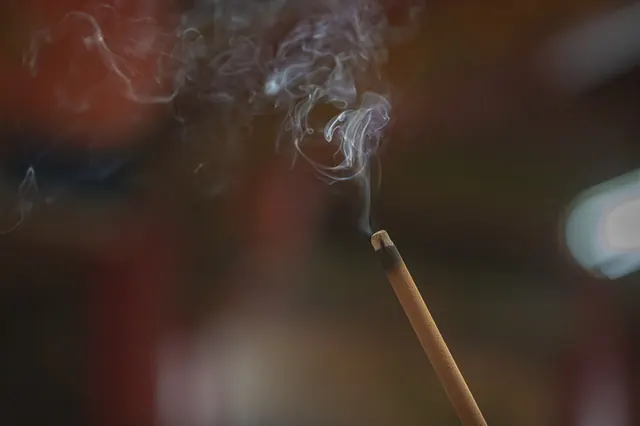
Among all types of incense, this is the easiest to find. Fragrant paste coats a thin stick, so it lights straight away and stands in a holder. Prices also vary widely, from small packs to kilogram bags.
A guide from BWC India separates two main approaches. Masala sticks use a paste that already contains fragrant materials, while blank sticks take scent through dipping or spraying. The same guide says cheap incense often comes from dipped blanks.
In Indonesia, one example is Balinese dupa, which accompanies canang sari offerings. There are also modern products such as those from Dupalo, which use palm ribs and teak sawdust. The advantage is convenience, but the smoke can build up in a small room.
Hio: incense in Chinese tradition
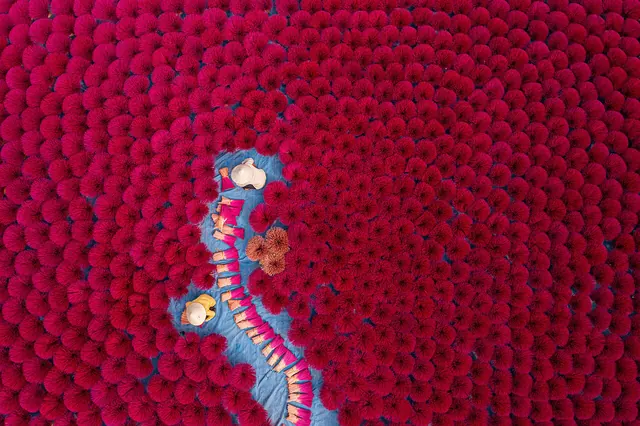
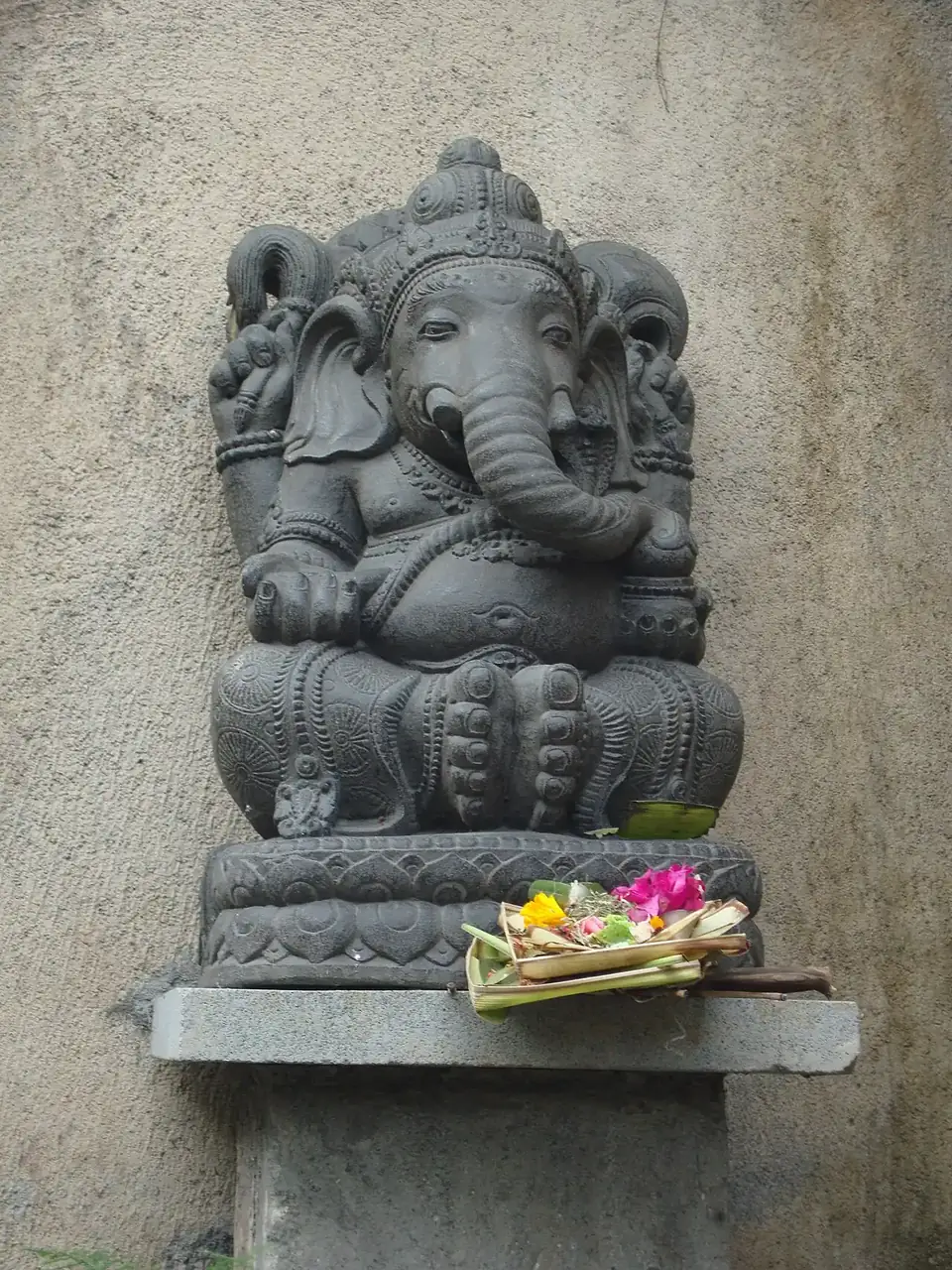
Hio is essentially stick incense, but its cultural role earns it a section of its own. People use it in klenteng temples and at home as a medium of prayer and respect for ancestors. Red sticks appear widely before Lunar New Year.
Sizes vary a lot. Republika reported hio prices in West Kalimantan from Rp350 to about Rp23,000 per stick, depending on size. In Bali, there's also a large dupa tiong that burns for about five hours.
Large hio produce smoke for a long time, so they suit open areas better. For more, see the Chinese-Indonesian hio entry in our database.
Cones as types of incense
Cones have no core, so the whole body burns. You simply light the top, wait for the flame to go out, and let the ember work its way down. The holder must be heatproof, because the ember reaches the base.
Among types of incense, cones are dense, so their scent tends to arrive quickly. So they suit short sessions, but you shouldn't overuse them in a tight space. Dupalo is among the makers that sell this form, according to Jawa Pos.
There are also hollow cones whose smoke flows downward like a waterfall. They make an attractive display, although the smoke is still smoke. So you still need ventilation.
Powder types of incense and ratus
Powder doesn't burn well on its own. You need to sprinkle it onto embers or a heater, a little at a time. This gives you more control over the amount of smoke and aroma.
In Javanese tradition, ratus is the most distinctive example. This aromatic mixture plays a part in ngratus, where its smoke dries and scents a bride's damp hair. Recipes vary, and can include benzoin, sandalwood and kenanga.
In the Himalaya, a similar form appears as sang, a smoke offering of juniper and other fragrant plants. So powder traditions don't belong only to the archipelago.
Resin types of incense: benzoin and dammar
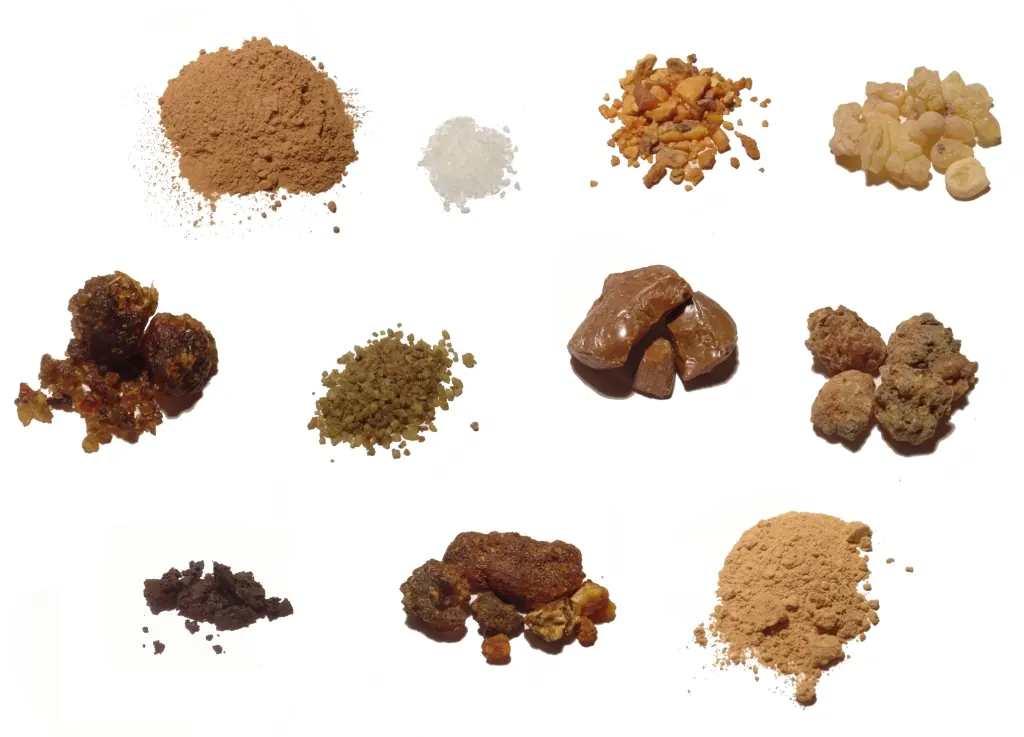
Resin is hardened tree sap. Unlike other types of incense, it can't burn like a stick, so you need special charcoal or an electric heater. Use only small pieces, because a little resin makes a lot of smoke.
Sumatran benzoin comes from Styrax trees in the Tapanuli highlands. Its aroma is sweet and balsamic, and CIFOR research notes that its trade has deep roots. Meanwhile, cat's eye dammar from Krui, Lampung, tends to be cleaner and fresher.
Note that the Indonesian word kemenyan is often confused with frankincense. However, Sumatran benzoin comes from Styrax, while frankincense comes from Boswellia. The aromas differ too, so check the name on the pack.
Aromatic wood: agarwood and sandalwood
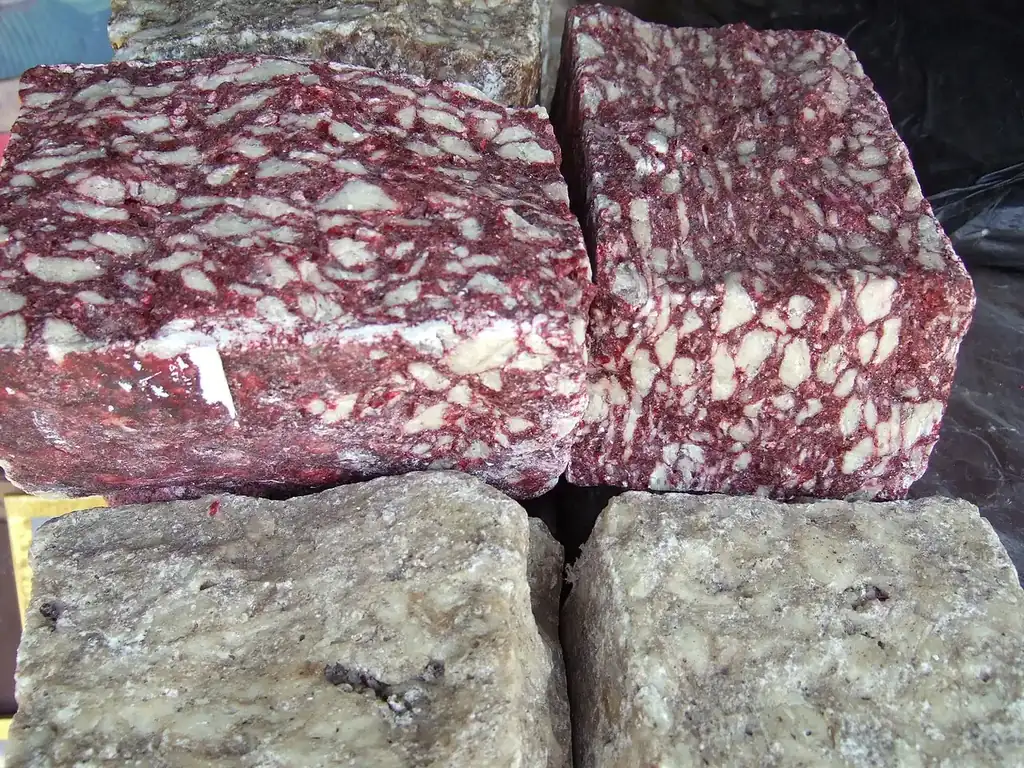
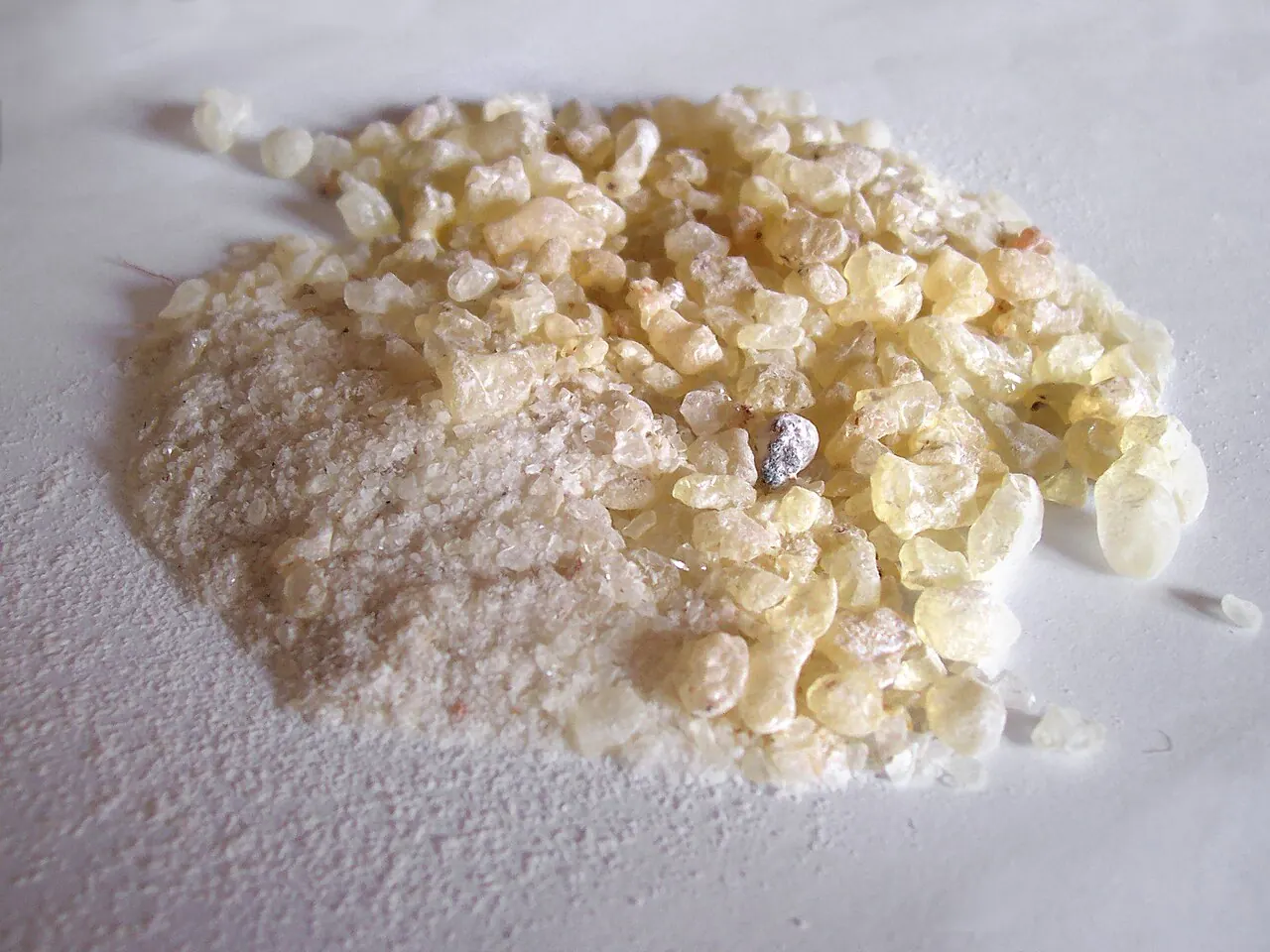
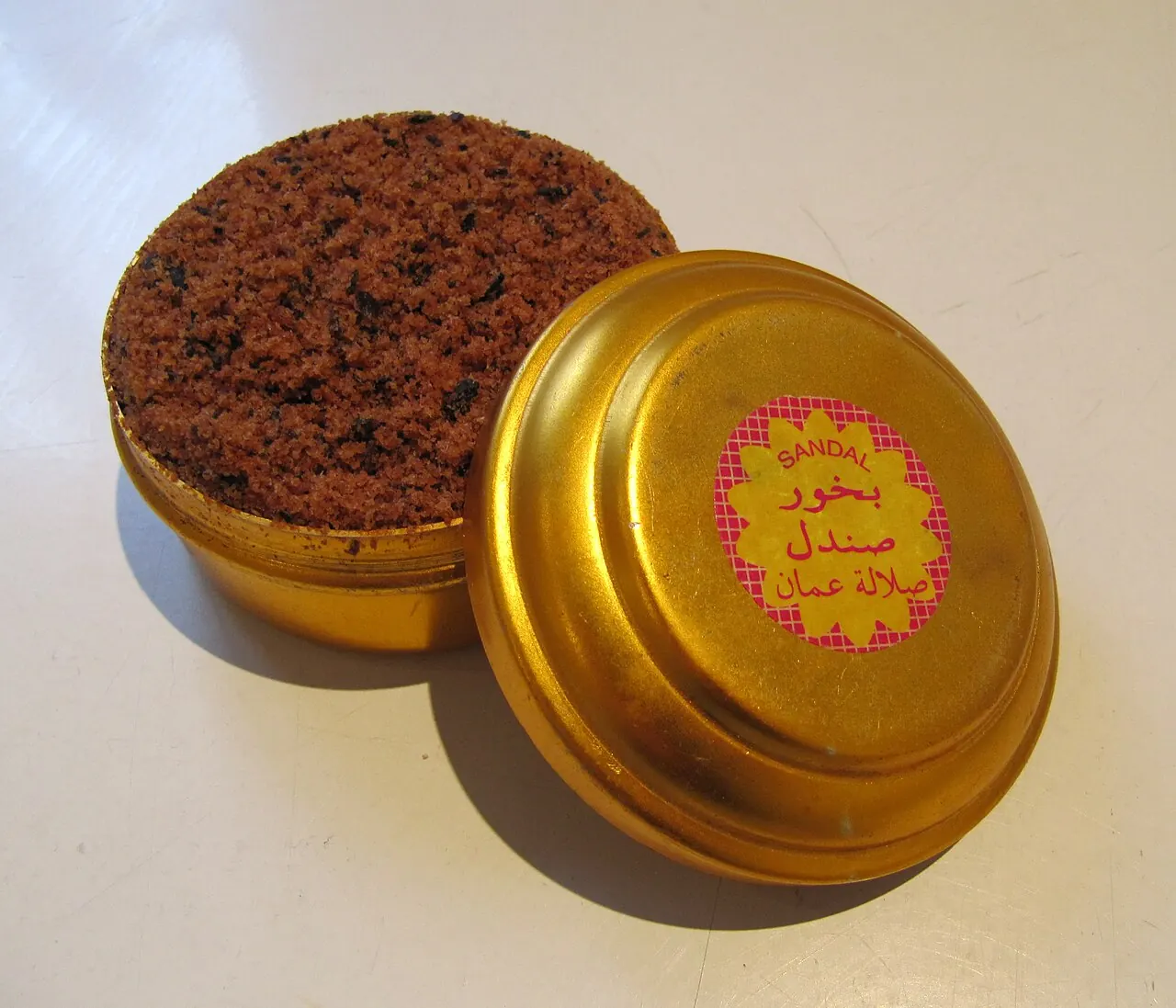
Aromatic wood offers the subtlest experience when you heat it correctly. Warm a small chip on an electric heater or on charcoal covered with ash. That way, the aroma comes out without the wood burning away.
Agarwood is resin-filled wood from Aquilaria and Gyrinops. Its trade is regulated under CITES, and a 2002 study judged the Indonesian trade unsustainable. Sandalwood from East Nusa Tenggara faces similar pressure.
Both can be expensive, and fakes are possible. So buy from sellers who can explain where the material comes from. It also helps to start small, so you can learn the aroma first.
Coils: the longest-burning form
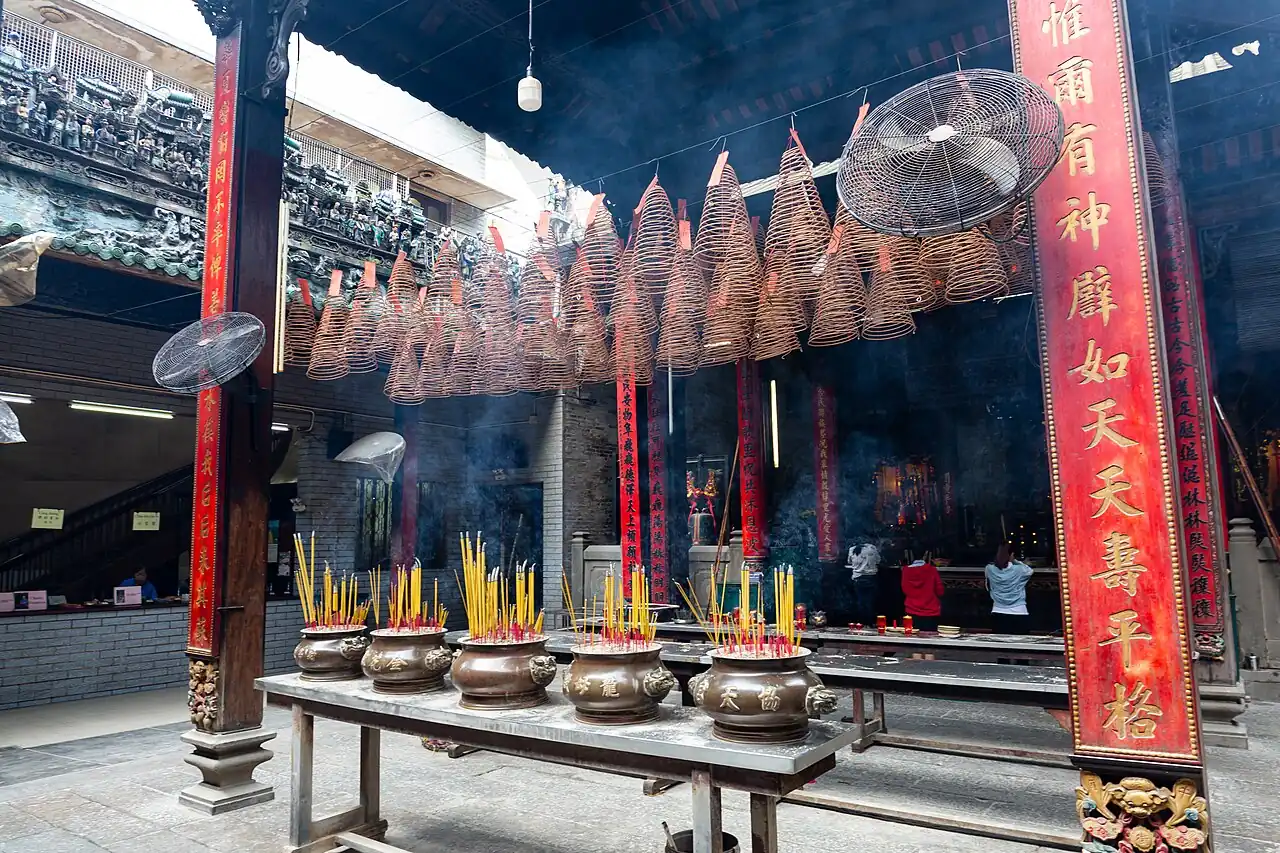
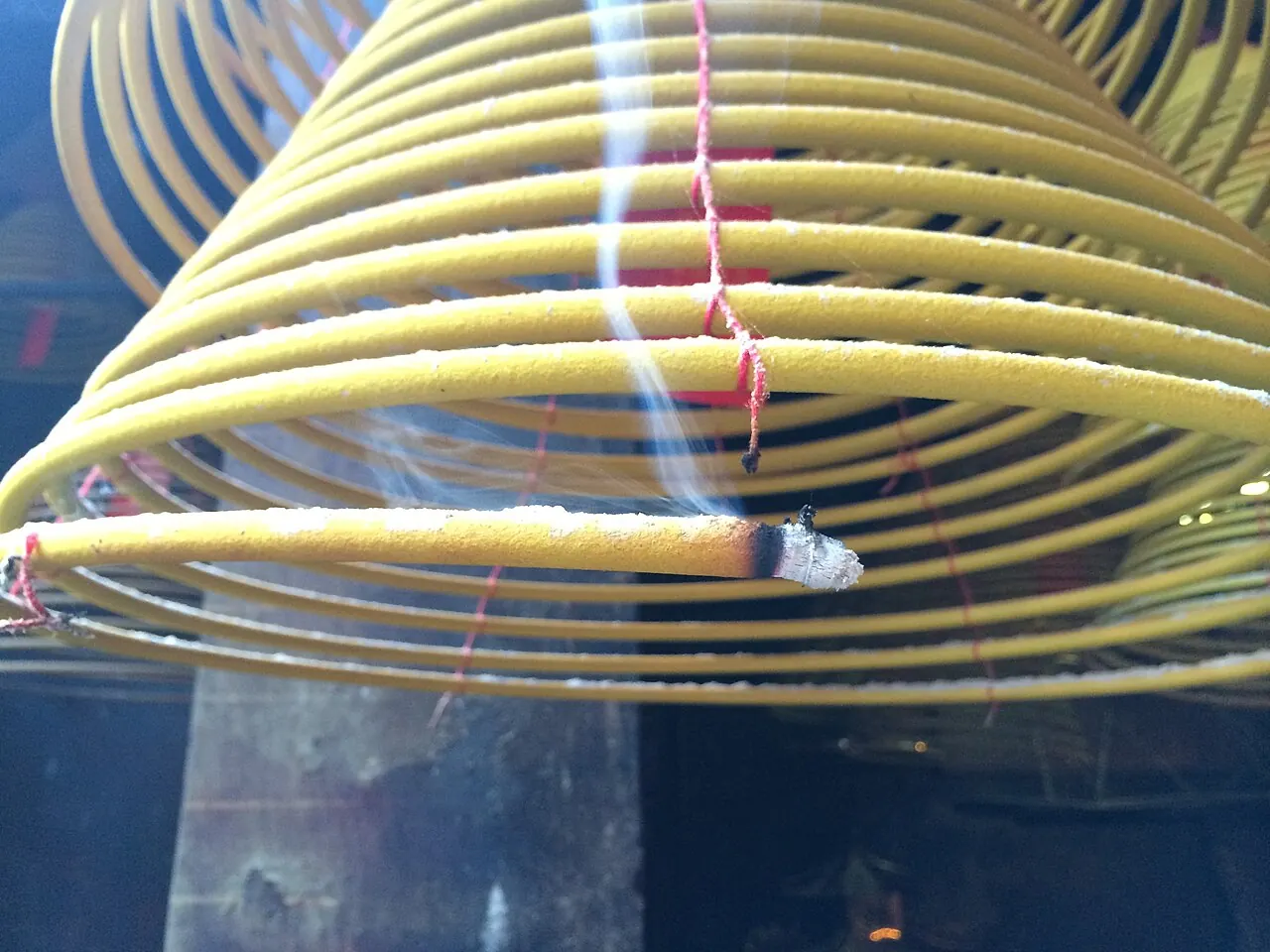
A coil lets a very long stick fit into a small space, so it burns for a long time. At Man Mo Temple in Hong Kong, large coils can reportedly burn for up to three weeks. Home versions are much smaller, of course.
Among types of incense, this one is common in Chinese temples, where people usually hang coils or rest them on a stand. Because they burn for so long, coils don't suit closed rooms. So use them in open areas and watch the ember. See an example of temple coils in our database.
Choosing by what you need
Once you know the types of incense, you can choose by situation. This table gives our general suggestions:
| Your need | A sensible choice | Why |
|---|---|---|
| Trying it for the first time | Small sticks | Easy and cheap |
| A small bedroom | Low-smoke incense | Less exposure |
| A traditional aroma | Resin on a heater | You can sense the material |
| A subtle experience | Aromatic wood | Aroma comes out slowly |
| Worship | Whatever your community uses | Meaning matters more |
| A short session | A small cone | Scent arrives fast |
How beginners can choose
Beginners often buy too many types of incense at once. Instead, follow these simple steps:
- Decide on your purpose. Room fragrance, meditation and worship call for different choices.
- Consider your room size. Small rooms fill up fast, so choose a low-smoke form.
- Start with a gentle scent. Try woody or floral scents first.
- Buy a small pack. You can compare a few scents without spending much.
- Read the packaging. Check the materials, stick count and burn time.
- Be wary of health claims. Claims that incense cures illness or kills viruses need research behind them.
- Get a heatproof holder. All types of incense need a safe base.
The equipment you need
Different types of incense need slightly different tools. The good news is that most are cheap and easy to find:
- Stick holder: a bowl of sand or ash, or a metal stand.
- Cone base: a heatproof ceramic or metal dish.
- Special charcoal: for resin and powder, along with tongs.
- Electric heater: a tidy option for wood and resin, with adjustable heat.
- Censer: a traditional choice for bakhoor and resin.
You'll also want a safe place to dispose of ash. Charcoal can stay hot long after it looks dead, so let it cool fully before you throw it away.
Common mistakes when choosing
A few errors come up again and again among new buyers:
- Judging by the scent name alone. A sandalwood scent doesn't prove the pack contains real sandalwood.
- Assuming natural means safe. Natural materials still produce smoke. Our guide to smoke safety has the details.
- Burning too much resin. One small piece is usually enough.
- Buying agarwood without checking its origin. A high price doesn't always mean it's genuine.
- Ignoring cultural meaning. Some incense and plants are sacred to particular communities.
Types of incense by material
Beyond form, materials also separate one product from another. So two sticks that look alike can feel very different. Across the types of incense, there are four groups of materials worth knowing:
| Material group | Main feature | Examples |
|---|---|---|
| Fragrant paste (masala) | Fragrant materials sit inside the paste | Nag Champa, masala sticks |
| Blank sticks with added scent | Aroma comes from oil on the stick | Many cheap aromatherapy sticks |
| Pure resin and wood | No added fragrance | Benzoin, dammar, agarwood |
| Herbal mixtures | A blend of plants and spices | Javanese ratus, Tibetan incense |
For example, Dupalo reports teak sawdust as a base with sprayed fragrance. By contrast, Tibetan herbal sticks use juniper powder and medicinal herbs. So types of incense that share a shape don't always share contents.
Types of incense by purpose
Purpose often matters more than form. Choices for worship, for instance, usually follow community custom rather than personal taste.
- Daily worship: sticks with canang sari, or hio in a klenteng.
- Major ceremonies: large hio and long coils.
- Room fragrance: aromatherapy sticks and bakhoor.
- Traditional care: ratus for hair and cloth.
- Meditation: low-smoke sticks, often in the Japanese style.
- Learning about materials: resin and aromatic wood on a heater.
Even so, these lines aren't rigid. Someone can use incense from a place of worship as a room fragrance, as long as they respect what it means to others.
World types of incense you can find in Indonesia
Many shops in Indonesia also sell imported incense. Knowing where it comes from helps you understand its character, so your expectations stay realistic:
| Tradition | General character | Examples on Dupa Incense |
|---|---|---|
| Japan | Thin coreless sticks, low smoke | Morning Star, Kobunboku |
| India | Sweet masala, more smoke | Nag Champa, Super Hit |
| Himalaya | Herbal, dry and thick | Tibetan herbal sticks |
| Arabian Peninsula | Perfumed wood chips in a censer | Adeni bakhoor |
| France | Benzoin paper that smolders | Papier d'Arménie |
Keep in mind that the smoke notes in this table are general estimates. For that reason, try a small pack before you buy a lot.
How to use each form, step by step
All types of incense need slightly different handling. Here are the basic steps, so you don't have to guess:
- Sticks and hio: light the tip, wait a few seconds, then blow out the flame so an ember remains.
- Cones: light the top, blow out the flame, then place the cone on a heatproof base.
- Powder and ratus: heat charcoal until it has a white ash layer, then sprinkle a little at a time.
- Resin: place a small piece on charcoal or a heater, and add more only if needed.
- Aromatic wood: heat a chip at low temperature, so the wood doesn't burn.
- Coils: hang or rest the coil on a stand, then light the outer end.
Always open a window too, and never leave embers unattended. Once you've finished, let ash and charcoal cool fully.
How to store different types of incense
Good storage keeps aroma for longer. By contrast, damp places can make sticks hard to light and change the scent. These are the habits we suggest:
- Keep incense in a closed container, away from direct sunlight.
- Separate strong scents, because aromas can rub off on each other.
- Keep resin somewhere cool, since some resins soften in heat.
- Wrap aromatic wood separately so its aroma doesn't fade.
- Note the purchase date, especially for incense you rarely use.
How to judge the quality of any incense
You can judge quality simply, even without a laboratory. First, smell the incense before you light it. Then compare the aroma before and after burning, because some fragrances change sharply with heat.
Next, watch whether the ember burns evenly and the stick stays lit. Notice too whether your throat stings after a few minutes. If it does, use less or try other types of incense. Finally, note the brands and scents you like, so buying them again is easy.
Where Indonesia's incense comes from
Many sticks come from home businesses in Malang, Bali, Tangerang and West Kalimantan. Materials such as benzoin, dammar and agarwood come from farmers and forest collectors. See our map of Indonesian producers to learn more about them.
To explore each product and material in detail, browse the Dupa Incense catalog or the Indonesian tradition page. You can also filter the catalog by form, scent and smoke level.
Frequently asked questions
What are the types of incense in Indonesia?
They include sticks, hio, cones, powder and ratus, resins such as benzoin and dammar, aromatic woods such as agarwood and sandalwood, and coils.
What's the difference between dupa and hio?
Dupa is the general word for incense, while hio refers to incense in Chinese tradition, used in temples and at home.
What's the difference between benzoin and agarwood?
Benzoin is a resin from Styrax trees, while agarwood is resin-filled wood from Aquilaria and Gyrinops trees.
Which types of incense suit beginners?
Start with a gentle, low-smoke stick and use it briefly in a ventilated room.
Which types of incense make the least smoke?
Generally, aromatic wood heated gently and thin coreless sticks, although materials and quantity also matter.
How do I burn benzoin?
Place a small piece on special charcoal or an electric heater in a heatproof dish, and use it somewhere ventilated.
Sources
- Halodoc: Dupa aroma dan manfaatnya (2026)
- BWC India: Agarbattis
- Jawa Pos: Berhasil Ekspor hingga Pasar Eropa (2024)
- detikBali: Pabrik Dupa Merah di Badung (2023)
- Republika: Pesanan Dupa Meningkat di Kalbar (2022)
- CIFOR: Benzoin resin production in Sumatra
- Wikipedia: Canang sari
- Wikipedia: Rope incense
- Hipwee: Tahapan menjelang pernikahan Surakarta
- Economic Botany: The gaharu trade in Indonesia