Dupalo: a complete profile of Malang's 52-scent incense maker
Disclosure: Dupa Incense is run by a Dupalo partner, so keep that in mind as you read. About
Dupalo is an aromatherapy incense maker in Malang, East Java, with dozens of scents and customers abroad. This profile summarizes media reports from 2021 to 2024, and it flags the details that sources still disagree on.
Key facts at a glance
This table covers what people most often look for. Each figure has a year because these details have changed over time.
| Topic | What was reported | Source |
|---|---|---|
| Location | Jalan Terusan Sigura-gura, Blok D No. 166 A, Karangbesuki, Sukun, Malang | Medcom.id, 2021 |
| Started | 2011 or 2012, sources differ | Malang city government, Medcom.id |
| Number of scents | More than 30, then 47, then 52 | Reports from 2021, 2022, 2024 |
| Forms | Sticks, powder, cones | Jawa Pos, 2024 |
| Price | Rp18,000 to Rp360,000 per pack | Malang city government, 2022 |
| Sales channels | Shop, Tokopedia, Shopee | Malang city government, 2022 |
The history of Dupalo
Dupalo grew from a family operation. The Malang city government says it began in 2011, while Medcom.id quotes the owner as saying 2012, with wider recognition from 2013. A one-year gap is common for small businesses, because the first batch and the first sale often happen at different times.
Online selling began in 2019, according to Medcom.id. That timing proved useful, since the pandemic arrived a year later and buyers moved to marketplaces. The owner even said the pandemic hurt sales less than she expected.
Overseas interest also started simply. After Dupalo marketed its incense in Bali, foreign tourists bought it and later orders followed. So Bali worked as a shop window as well as a market for worship.
Who owns Dupalo?
The sources we read don't settle on a single name. Reports from 2021 and 2022 name Rosa Amelia as the owner, and the city government says she runs the business with her husband. Meanwhile, Jawa Pos in 2024 names Ivan Triyugo and his wife as running the shop and factory.
That same Jawa Pos article on Dupalo quotes Rosa on the products. However, no source spells out how the two names connect. For that reason, we record both as reported and don't draw our own conclusion.
We also found a citizen-journalism post on Kompasiana that gives different names. Its body text never discusses this company, so we didn't use it as a source.
Dupalo's mission: incense for everyone
According to IDN Times, Rosa wants to change the perception that incense belongs to the occult. She wants a neutral product that anyone feels able to use. The same report says the range also appeals to millennials.
This goal explains the Dupalo scent list. Alongside ceremonial aromas such as sandalwood and agarwood, the company sells fruit, coffee and chocolate scents. That approach opens a new market, because incense no longer has to mean worship or tradition.
Even so, religious demand for Dupalo remains large. Jawa Pos notes orders from palaces in Central Java, an order of 5,000 packs from Bali, and holiday demand around Galungan and Kuningan.
The Dupalo scent range
The number of Dupalo scents keeps growing across reports. Medcom.id counted more than 30 in 2021, the city government said about 47 in 2022, and Jawa Pos said 52 in 2024. The current figure may differ, so ask the seller directly.
We grouped the scents named in the media as follows:
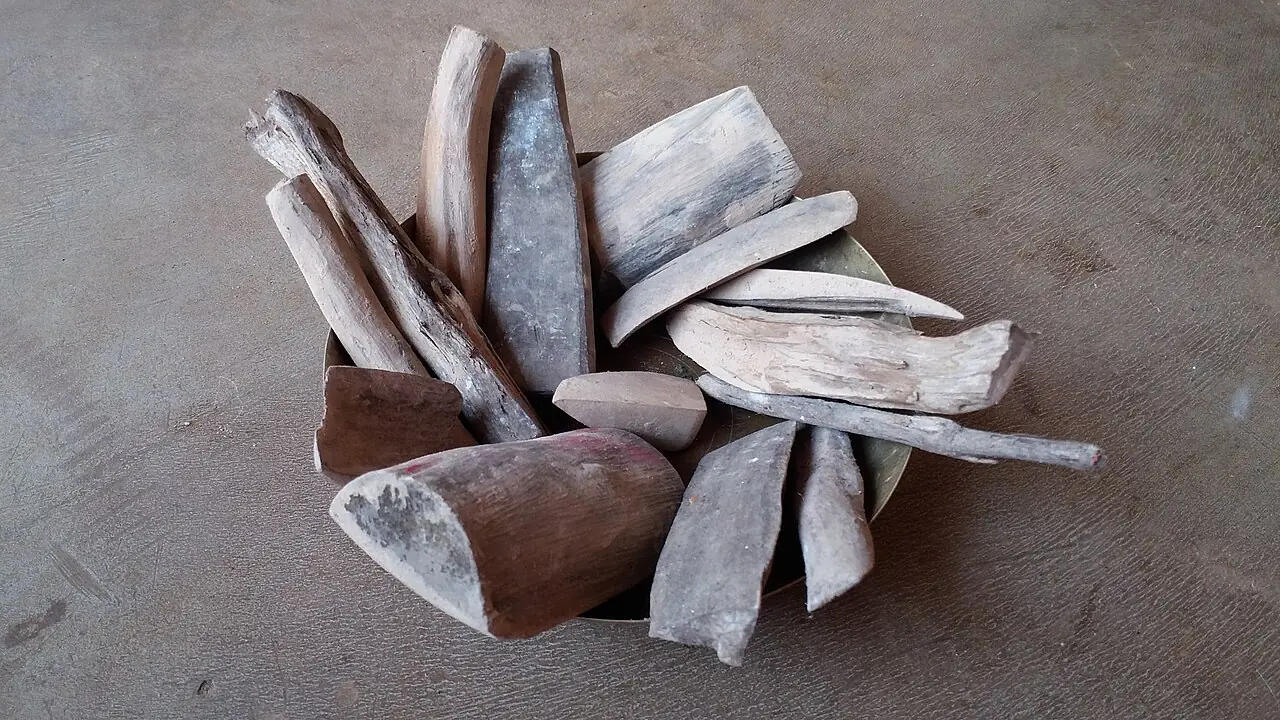
- Woods and resins: sandalwood and agarwood, two classics of incense tradition.
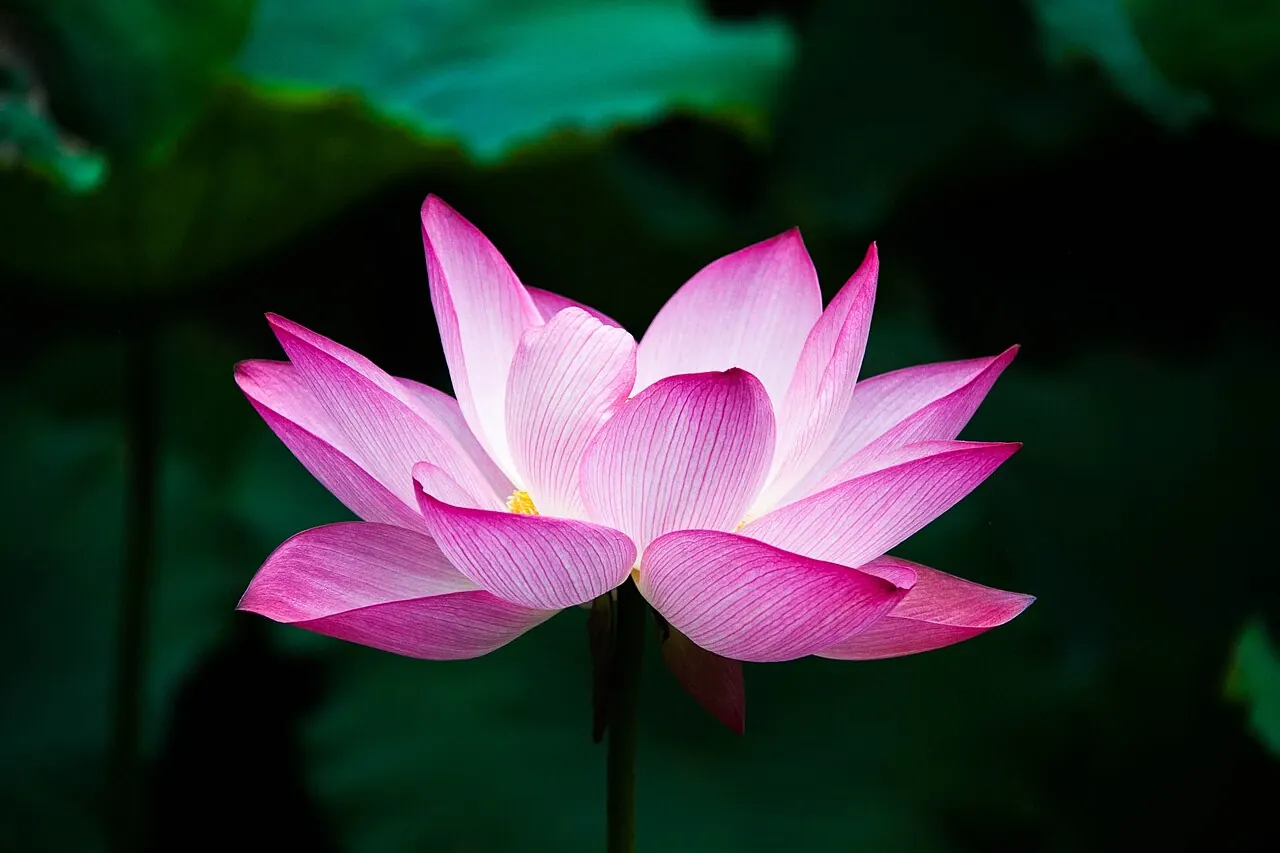
- Flowers: jasmine, tuberose and lotus.
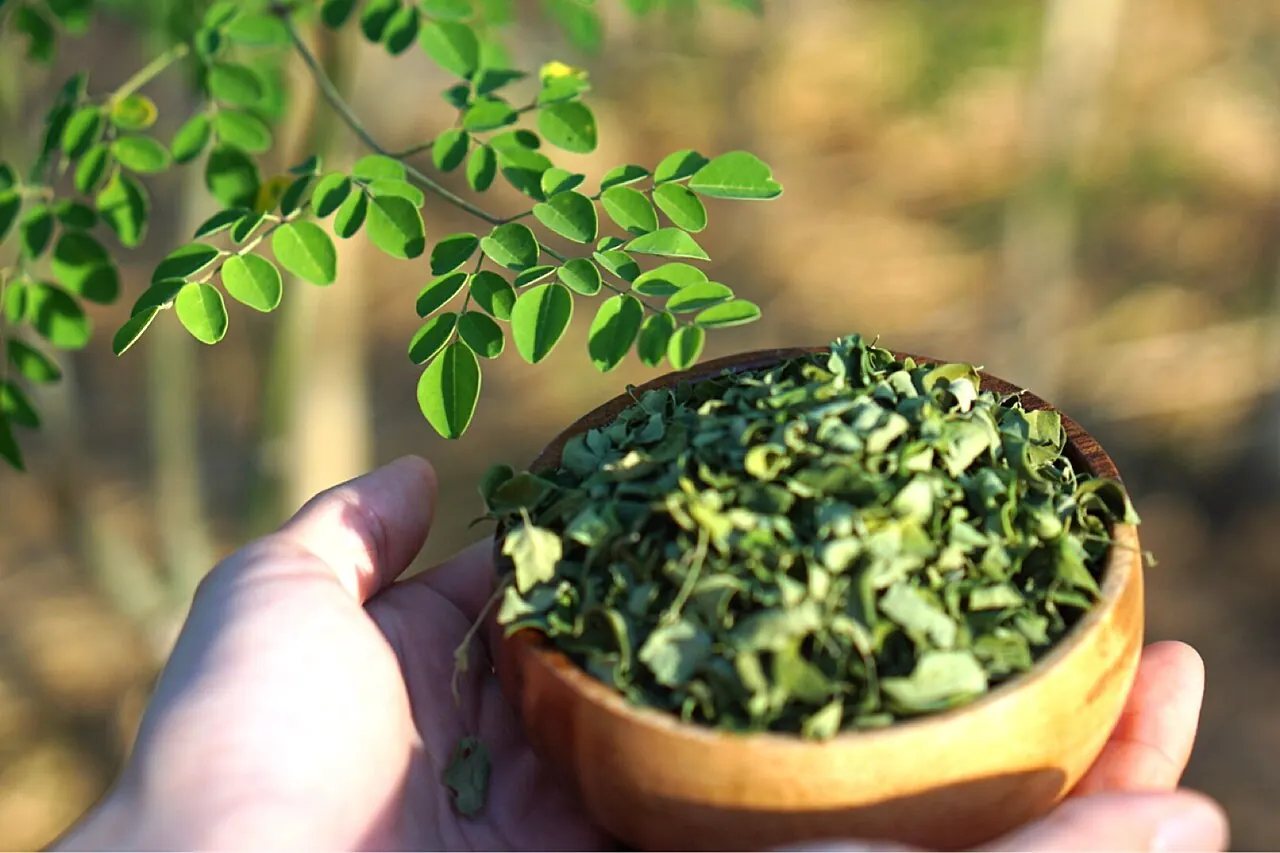
- Leaves and drinks: moringa, tea and coffee.
- Fruit and sweet: apple, grape and chocolate.
- Local names: sarinadu, candan and tunjungbiru. Marketplace listings write Sarimadu, and we explain what these names mean separately.
Jawa Pos listed six best sellers in 2024: sarinadu, lotus, sandalwood, candan, tunjungbiru and moringa. This list is interesting because coffee and fruit don't appear, even though the media often highlights them. So buyers seem to stay close to traditional aromas. That reading is ours, since the source gives no reason.
In the Dupa Incense database, you can see entries for Dupalo Teratai and Dupalo Cendana. Their scent profiles are still estimates, because we haven't tested these products.
Dupalo's ingredients and process
IDN Times describes Dupalo's production fairly clearly. The stick is a palm-leaf rib, and the burning layer uses teak sawdust with a special binder. Once the base is ready, workers spray on the scent and then pack the sticks.
The fragrance comes from distilled extracts, according to IDN Times and Indiekraf. Medcom.id adds that nearly all of the fragrance oils have certificates. Ivan Triyugo also told Jawa Pos that the company uses an oil made for burning, not the laundry oil he says many competitors use. That claim about competitors comes from one party only.
Dupalo's raw material needs also hint at the size of the operation:
- In 2021, the company needed about 1 ton a month, rising to 1.2 tons before Lunar New Year, according to IDN Times.
- In 2024, Jawa Pos reported about 5 tons a month.
- Production rises 10 to 20 percent before Lunar New Year.
If those figures are accurate, the business grew about fivefold in three years. However, the two reports may count materials differently, so treat the comparison with care.
Claims to treat with caution
As a Dupalo buyer, you should separate facts from marketing. Here are four claims from the media, with our notes:
| Claim | Source | Our note |
|---|---|---|
| 100 percent natural ingredients | Malang city government, 2022 | No detailed evidence. Sticks and sawdust are natural, but binders and fragrance need separate details |
| Halal raw materials | Jawa Pos, 2024 | The source doesn't mention a halal certificate |
| International certificate | Jawa Pos, 2024 | The source doesn't name its type or issuer |
| Passed laboratory testing | Medcom.id, 2021 | The source doesn't name the lab or results |
One other claim is more serious. A 2022 city government report carries the statement that this incense can kill viruses. We found no research supporting that for this product, so don't treat incense as health protection.
Natural ingredients also don't make smoke harmless. A scientific review by Lin and colleagues explains that incense smoke carries fine particles and irritant gases. So read our guide to incense smoke before using any incense in a closed room.
Reported prices
These Dupalo prices come from media articles, not an official price list. Treat them as a rough guide, and check the current price with the seller.
| Year | Reported price | Source |
|---|---|---|
| 2021 | Rp16,000 to Rp324,000 | Indiekraf |
| 2022 | Rp18,000 to Rp360,000 per pack | Malang city government |
| 2024 | Rp18,000 for 9 sticks | Jawa Pos |
| 2024 | Rp324,000 for 1 kg of gold grade | Jawa Pos |
This wide Dupalo price range points to two markets. Small packs suit people who want to try a scent, while kilogram packs serve regular users and resellers. IDN Times also mentions many resellers across regions, so retail prices can vary between shops.
How to buy Dupalo products safely
The city government says Dupalo products are sold at the Malang shop and through Tokopedia and Shopee. On Tokopedia, a store called Dupalo Pusat is listed in Malang City, and we compared its prices with resellers. The address dupalopusat.com appears in search results, but we couldn't open it on 3 November 2026. Meanwhile, the domain dupalo.com appears to be for sale, so don't assume it belongs to the maker.
Before you pay, take these steps:
- Match the store name and shipping address with Malang.
- Read buyer reviews, especially on scent strength and the amount of smoke.
- Check the weight, stick count and scent in the pack photo.
- Buy a small pack before ordering by the kilogram.
- Contact the shop before visiting, because our sources don't list current opening hours.
Domestic and export markets
Medcom.id reports that Dupalo's domestic sales reach all of Indonesia, including Papua. Most overseas orders come through marketplaces rather than large agents.
The list of destinations has also grown. In 2021, reports named Malaysia, Myanmar, Japan and Libya, while ANTARA highlighted Japan and Myanmar. In 2024, Jawa Pos added Europe, Arabia and Russia. Still, no source gives export volumes.
Demand follows the calendar too. Before Lunar New Year, sales rose by up to 20 percent according to Medcom.id. Similar surges appear across other makers of Indonesian incense, so this pattern isn't unique to one company.
How to use Dupalo incense at home
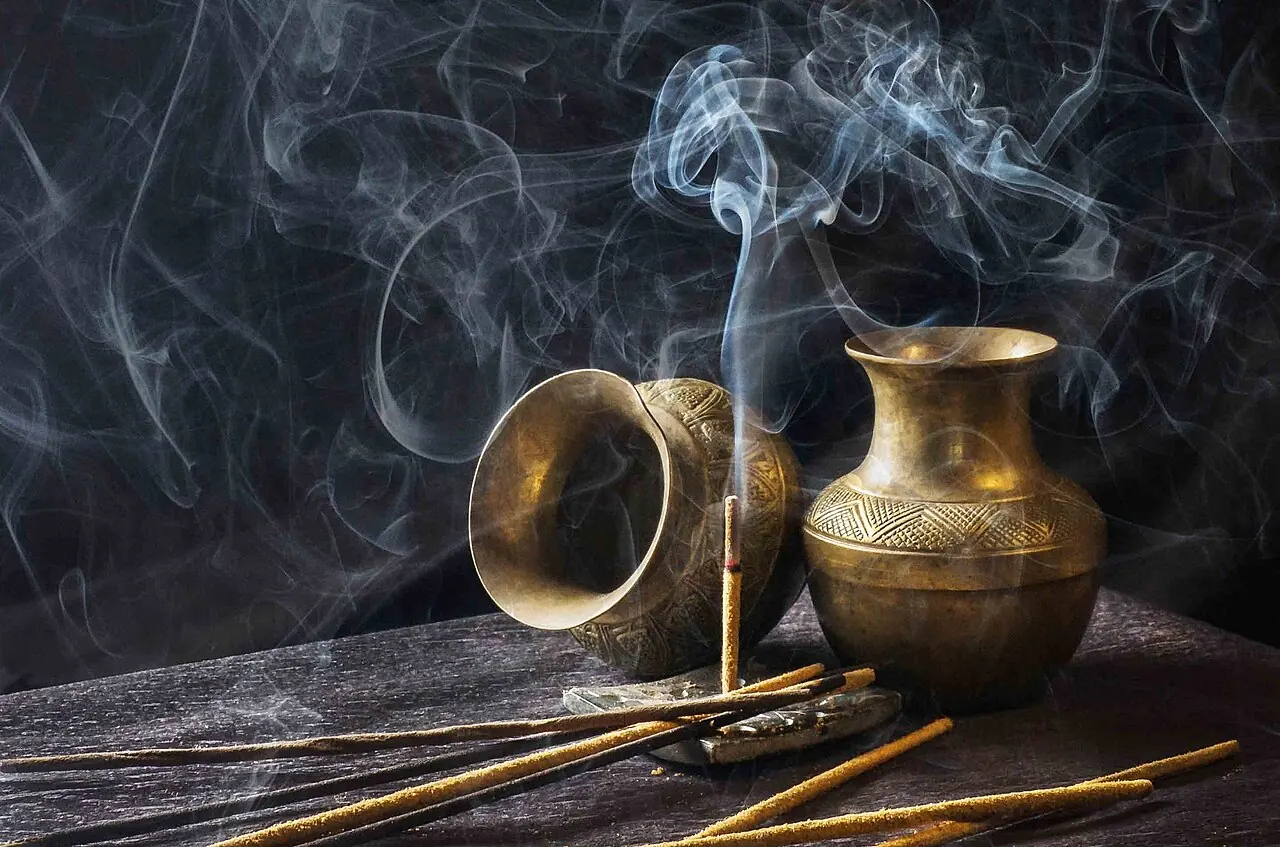
We haven't tested Dupalo's products, so this section gives general advice for stick incense. First, place the stick in a stable, heatproof holder. Then light the tip, wait a few seconds, and blow out the flame so only an ember remains.
Next, open a window so air can move. Start with one stick or half a stick, because small rooms fill with smoke quickly. If you want something light, begin with a gentle floral or woody scent.
Finally, never leave burning incense unattended. Keep it away from fabric, paper, children and pets. If you have asthma, it's better to avoid it altogether.
A scent guide for new buyers
Our sources don't describe each scent in detail. So this guide only describes the original materials in general terms, and it isn't a product test.
| Scent | Character of the raw material | Good for |
|---|---|---|
| Sandalwood | Soft, creamy and warm wood | Beginners and fans of woody scents |
| Agarwood | Deep, resinous and bittersweet | People who like heavy aromas |
| Jasmine | Sweet, strong white flower | Traditional settings |
| Tuberose | Sweet and sharp flower | Larger rooms |
| Lotus | A flower that tends to be gentle | Short sessions |
| Coffee | Warm and familiar | Fans of modern scents |
Remember too that a fragrance isn't always the same as the raw material. A sandalwood scent on a stick, for example, doesn't prove that the stick contains real sandalwood. Our sources don't state the sandalwood or agarwood content of these products, so don't assume it.
Scent preference is also very personal. For that reason, try one small pack from each scent group. After that, you can compare which feel gentle and which feel too strong for your room.
How palm-rib incense is generally made
To judge any maker's claims, it helps to understand the general process. This outline draws on reports from makers and industry guides, and it isn't one company's recipe:
- Prepare the stick. Makers start with a dry palm rib or bamboo sliver as the core.
- Mix the paste. Sawdust combines with a binder and water until it turns sticky.
- Coat the stick. Makers roll the paste onto the stick by hand or machine.
- Dry it. Sticks stand or lie in the sun, so the weather matters a lot.
- Add scent. Dry sticks take on fragrance through dipping or spraying.
- Pack it. After a second drying, workers count and pack the sticks.
This outline fits the IDN Times report, which describes a base first and scent sprayed on afterwards. A guide from BWC India also separates masala sticks, whose paste is already fragrant, from blank sticks that take scent later. This difference matters, because two sticks with the same scent name can smell very different.
Researchers also keep testing new base materials. A 2026 study from INSTIPER Yogyakarta tried palm kernel shell and lemongrass powder, and found that the mix affected the burning rate. In other words, the base recipe shapes both burn time and aroma.
Seven questions to ask before you buy
The word aromatherapy often appears on packaging, but it doesn't guarantee quality or health benefits. When you judge any brand, ask the seller these questions:
- What are the stick and paste made of?
- Does the fragrance come from essential oils, perfume oils or a mix?
- Is the wood or resin content clearly stated?
- How long does one stick burn?
- How many sticks are in this pack?
- Can you see the certificates the seller mentions?
- Will the seller explain directions and warnings?
Clear answers don't guarantee a scent you'll like. However, they do make fair price comparisons easier. A cheap pack can cost more per stick, while a kilogram pack may not suit home use.
Common mistakes with aromatherapy incense
A few habits make incense feel too heavy or even unpleasant. The most common mistakes are simple:
- Burning too many sticks at once. One stick is usually enough for a small room.
- Closing every window. Smoke and particles build up, so your eyes or throat can start to sting.
- Using a makeshift holder. Ash and embers need a stable, heatproof base.
- Storing incense somewhere damp. Sticks can become hard to light, and the scent can change.
- Expecting a medical effect. Incense is a fragrance and a cultural practice, not a medicine.
If you're new to incense, use it while you're in the room and can watch it. Then notice how your body reacts. If you start coughing or feel short of breath, stop and see a doctor if it continues.
Dupalo compared with semi-finished incense
To make sense of Dupalo's prices, compare them with semi-finished incense. Makers in Dalisodo sold semi-finished sticks for about Rp6,000 per kilogram in 2023, while Dupalo's gold-grade pack reached Rp324,000 per kilogram in 2024. These aren't the same products, so the gap isn't simply profit.
That gap covers scent, packaging, branding and sales service. So the buyer's task is to judge whether the added value is noticeable. The easiest way is to burn two samples in the same room, then note the aroma, smoke and burn time.
Related brands
The Gentong Tiga Dupa Facebook page lists CV Dupalo as the maker of the Gentong Tiga Dupa, Baladewa and ATMA brands. We only found this link on that page, so treat it as preliminary.
In terms of form, the range covers several types of incense, namely sticks, powder and cones. Jawa Pos also names a form called asturba. One marketplace listing explains it as asap turun bawah, meaning smoke flowing downward, and we cover it in our Gentong Tiga review.
Why Dupalo matters for the incense industry
Many Indonesian makers still sell products without a strong brand. In Dalisodo village, Malang Regency, the local government even plans to bring eight makers under a shared brand. By comparison, this company has already taken three steps that are hard for small businesses:
- Building a brand and developing dozens of scents.
- Selling through marketplaces and reaching overseas buyers.
- Serving religious demand and new aromatherapy users at the same time.
That said, the Dupalo story should be read with care. Most of the data comes from the maker's own statements quoted by the media, not from an audit. So the sales figures and quality claims may not reflect the current situation.
Editorial note
Dupa Incense is run by a Dupalo partner and hasn't tested its products, so this article isn't a scent review. We compiled it from media reports on 3 November 2026. If you're from the company and something here is wrong, we'd like to correct it.
Want to compare other incense? Browse the Indonesian incense catalog or see all brands on Dupa Incense.
Frequently asked questions
Where is Dupalo from?
Dupalo is based on Jalan Terusan Sigura-gura, Karangbesuki, Sukun, in Malang, East Java, Indonesia.
When was Dupalo founded?
Sources differ. The Malang city government says 2011, while Medcom.id says 2012.
How much does Dupalo incense cost?
A 2022 report gave Rp18,000 to Rp360,000 per pack. Check current prices with the seller.
Where can I buy Dupalo products?
According to the Malang city government, you can buy them at the Malang shop and through Tokopedia and Shopee. We couldn't open dupalopusat.com when we checked on 3 November 2026.
Is Dupalo incense safe?
The maker says its materials passed laboratory testing, but smoke from any incense contains fine particles. Use it with good ventilation, and avoid it if you have a breathing condition.
Does Dupalo export?
Yes, according to the media. Reported destinations include Malaysia, Myanmar, Japan, Libya, Europe, Arabia and Russia.
Which Dupalo scents sell best?
Jawa Pos listed sarinadu, lotus, sandalwood, candan, tunjungbiru and moringa in 2024.
Sources
- Medcom.id: Produsen Dupa di Malang Tetap Banjir Pesanan (2021)
- IDN Times: Produsen Dupa Beraroma di Malang Banjir Pesanan (2021)
- Indiekraf: Dupa Beragam Aroma di Kota Malang (2021)
- ANTARA: Dupa Aroma Terapi (2021)
- Pemerintah Kota Malang: Jelang Imlek, Warga Tionghoa Berburu Dupa (2022)
- Jawa Pos: Berhasil Ekspor hingga Pasar Eropa (2024)
- Facebook: Gentong Tiga Dupa
- Lin dkk. (2008): Incense smoke and airway disease
- BWC India: Agarbattis
- INSTIPER Yogyakarta (2026): Dupa aromaterapi dari cangkang kelapa sawit dan serai
- Tokopedia: toko Dupalo Pusat