Benzoin vs frankincense: 5 real differences between the two resins
Benzoin vs frankincense comes down to the tree. Benzoin is a sweet resin from Styrax trees, mainly in Sumatra and mainland Southeast Asia. Frankincense comes from Boswellia trees in the Horn of Africa, Arabia and India. Both burn as incense, but they differ in chemistry and reported scent.
Benzoin vs frankincense: 5 differences
Here's a short benzoin vs frankincense comparison. It brings together different sources, and we haven't tested these resins ourselves.
| Difference | Benzoin (kemenyan) | Frankincense (olibanum) |
|---|---|---|
| Tree | Genus Styrax | Genus Boswellia |
| Region | Mainly North Sumatra and mainland Southeast Asia | Horn of Africa, Arabia and India |
| Typical compounds | Cinnamic or benzoic acid and their esters | Boswellic acids and terpene oils |
| Reported scent | Honey and vanilla | Terpenic, woody, pine and peppery |
| Harvest | Bark loosened and wounded | Thin layer of bark shaved |
The region and compound rows don't apply equally to every species. So treat them as a starting point, not a rule.
What is benzoin?
Benzoin is the resin of Styrax trees, called kemenyan in Indonesia. FAO separates two main trade types by their trees:
- Sumatra benzoin: comes from Styrax benzoin and Styrax paralleloneurum.
- Siam benzoin: comes from Styrax tonkinensis, and is exported from places such as Laos.
Styrax trees don't release this resin unless the stem is injured, according to a 2023 review by He and colleagues. That's why farmers tap them. PROSEA says trees can be tapped from about 7 years old. Several weeks later, the resin covers the cuts.
Prof. Ganis Lukmandaru of Universitas Gadjah Mada places Indonesian production mainly in North Tapanuli and Humbang Hasundutan, over about 23,000 hectares. The university's report cites Statistics Indonesia for at least 5,000 to 8,000 tons in North Sumatra. Most of it still leaves the country raw, for processing in India, Singapore or the European Union.
See our benzoin material notes and the Sumatran kemenyan entry for more.
What is frankincense?
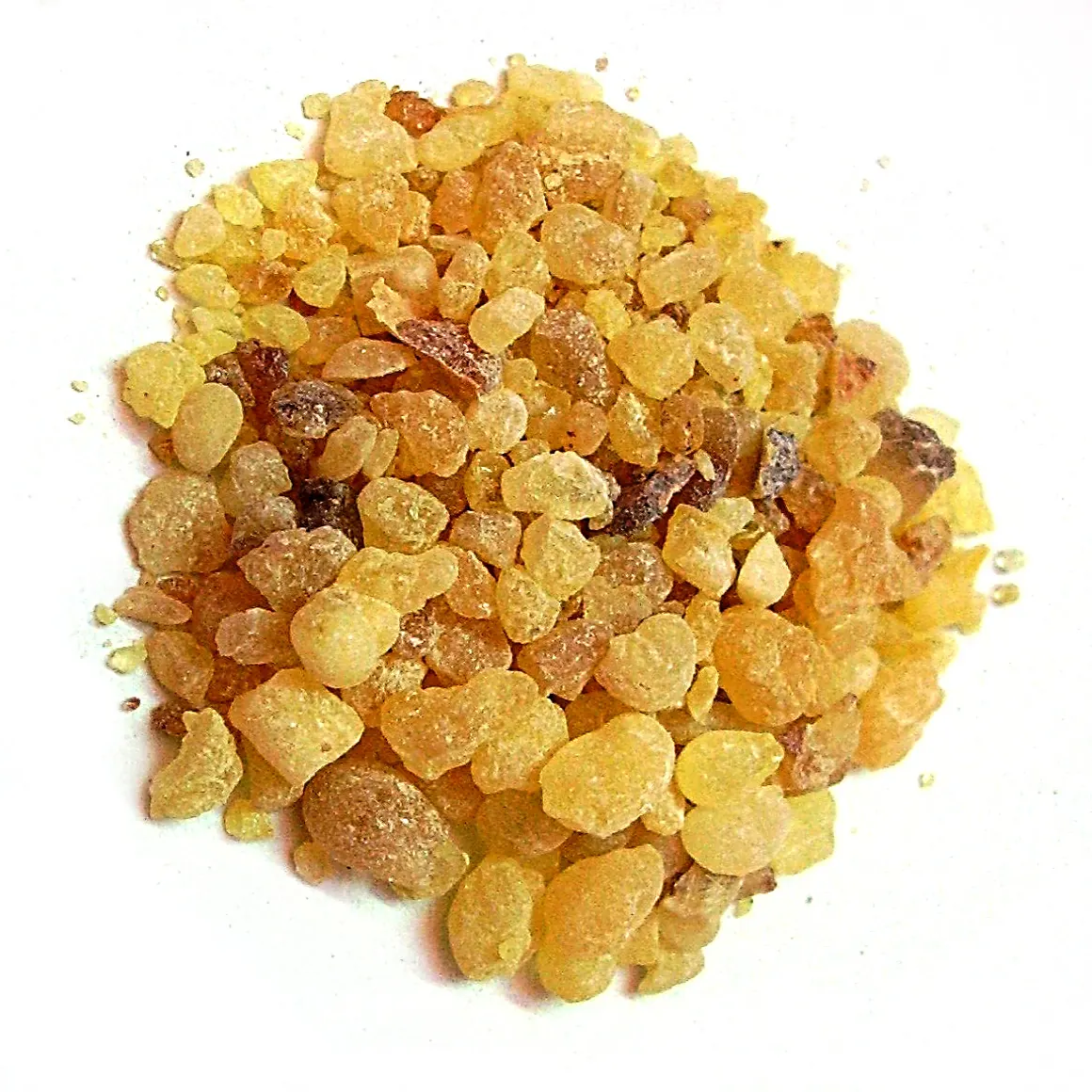
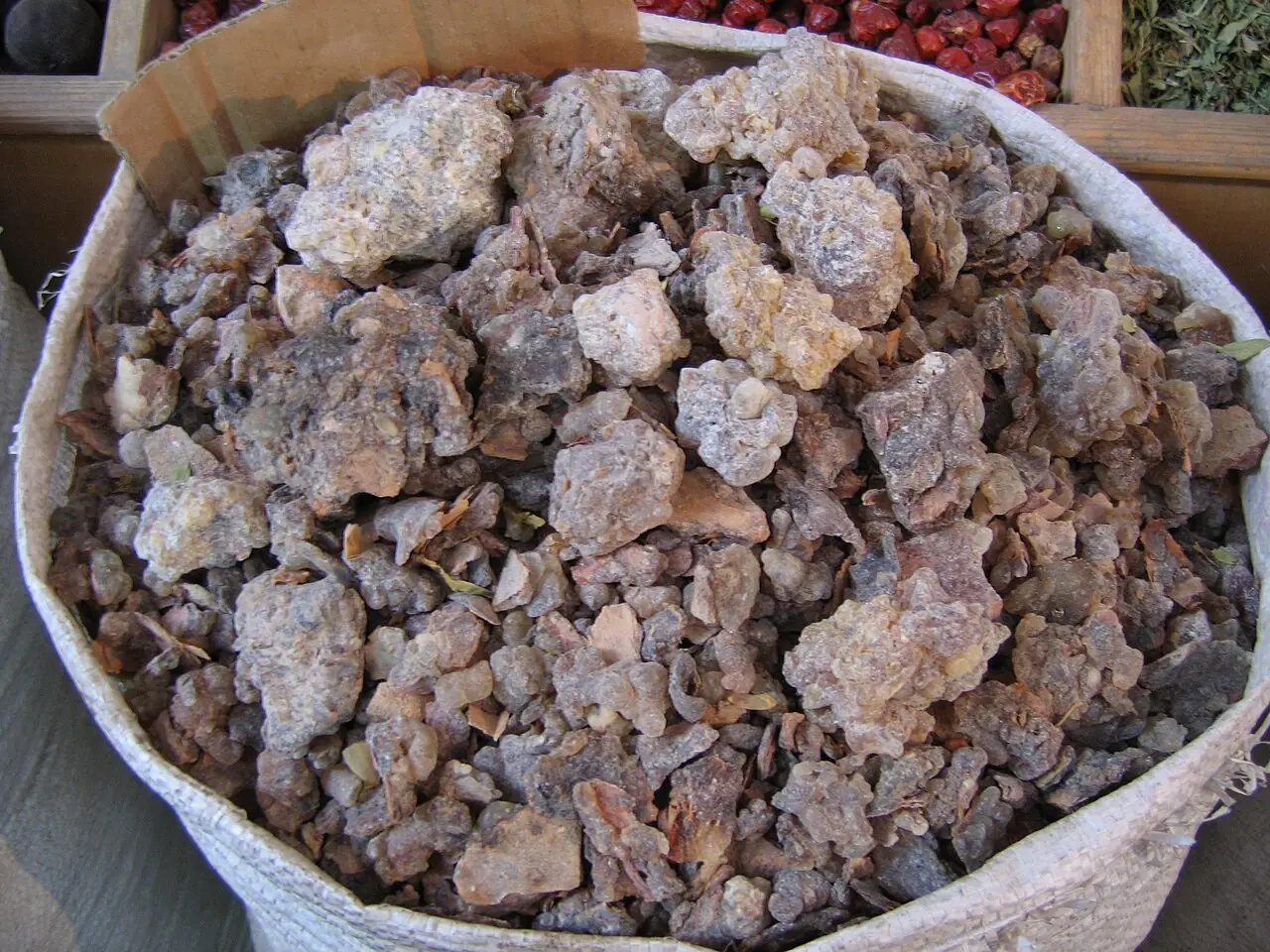
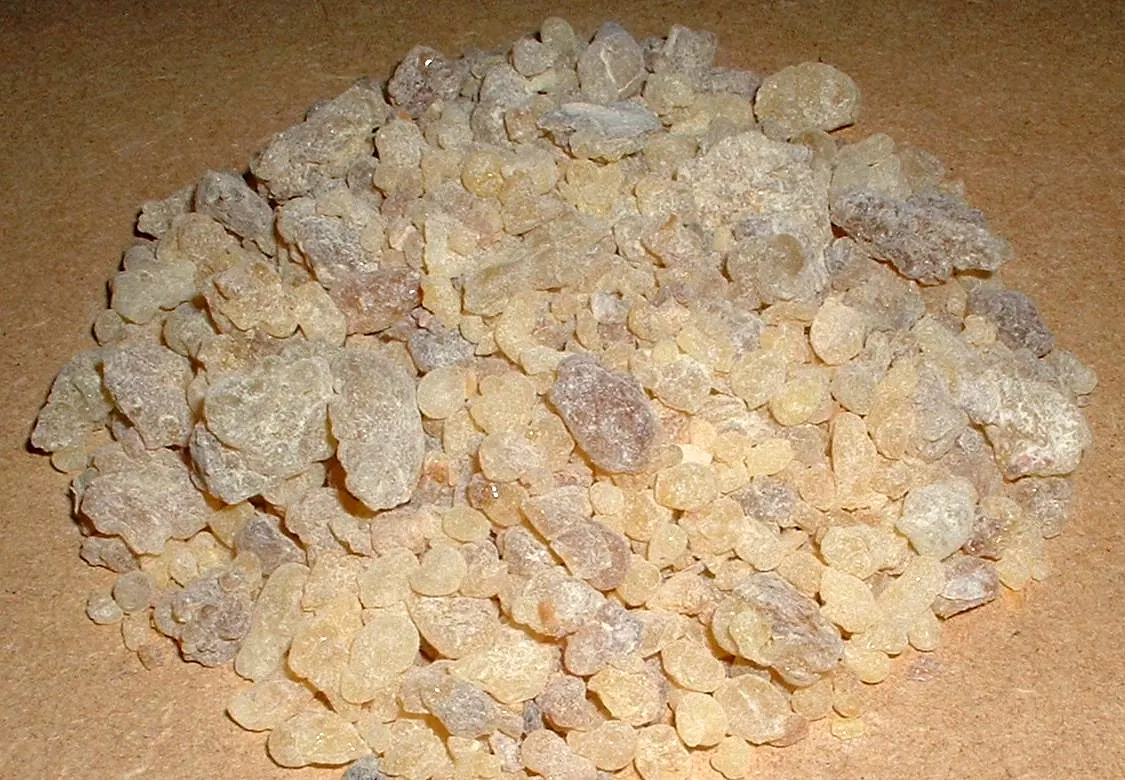
Frankincense, also called olibanum, is the resin of Boswellia trees. According to Wikipedia, the main trade species are B. sacra, B. frereana, B. serrata, B. papyrifera and B. occulta. Our frankincense material notes cover where each one grows.
Ethiopian tappers shave a thin layer of bark from B. papyrifera with a tool called a mengaff, as Gebrehiwot and colleagues describe. Its white emulsion then hardens into tears. Those authors report 8 to 12 cuts in one dry season. However, Wikipedia gives 2 to 3 tappings a year for frankincense in general. These figures clearly differ, so practice probably depends on the species and place.
Chemistry of benzoin vs frankincense
For benzoin vs frankincense, chemistry gives the clearest contrast. FAO says Sumatra benzoin is rich in cinnamic acid and its esters, while Siam benzoin is rich in benzoic acid and its esters. So benzoin itself isn't one uniform material. Both types also contain vanillin.
Frankincense is usually described as an oleo-gum-resin, which means it combines oil, resin and gum. A 2022 review by Miran and colleagues gives Boswellia sacra about 5 to 9% oil. It also says the fat-soluble part is rich in boswellic acids. That figure covers one species, so it doesn't describe all frankincense.
How the two scents compare
In benzoin vs frankincense notes, scent is the least exact part. For example, Prof. Ganis calls the honey note Indonesian benzoin's strength, and even compares it to candy. FAO adds a vanilla note from vanillin, which is easiest to notice in the Siam type. By contrast, Wikipedia lists frankincense oil as terpenic, woody, pine-like and peppery.
Our sources aren't fully aligned, though. NU Online, an Indonesian outlet, calls frankincense sweet when burned. Wikipedia's list also describes the oil, not the smoke from a burning tear. Therefore, read these words as rough descriptions, not as our test results.
Why people mix them up
The names have overlapped for a long time. According to Wikipedia, the word benzoin traces back to the Arabic lubān jāwī, meaning frankincense from Java. Indonesian dictionary KBBI still lists "kemenyan arab" as a type of kemenyan, so one word covers both resins.
Trade figures show the same confusion. Writing for FAO in 1995, Coppen noted that Indonesian trade statistics recorded Sumatra benzoin as "frankincense", a term that usually means Boswellia resin. The same text warned that some of those figures might not be benzoin at all.
Telling them apart when you buy
We haven't found a proven home test for either resin. Still, a few points from our sources can help:
- Ask for the tree and origin: a label saying only "kemenyan" or "incense resin" may not tell you which one it is.
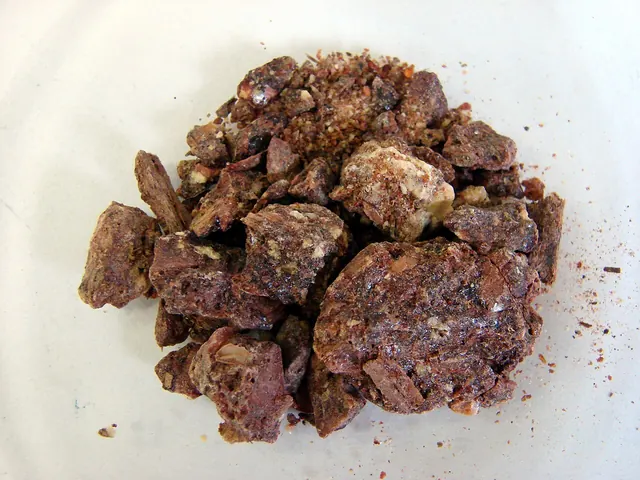
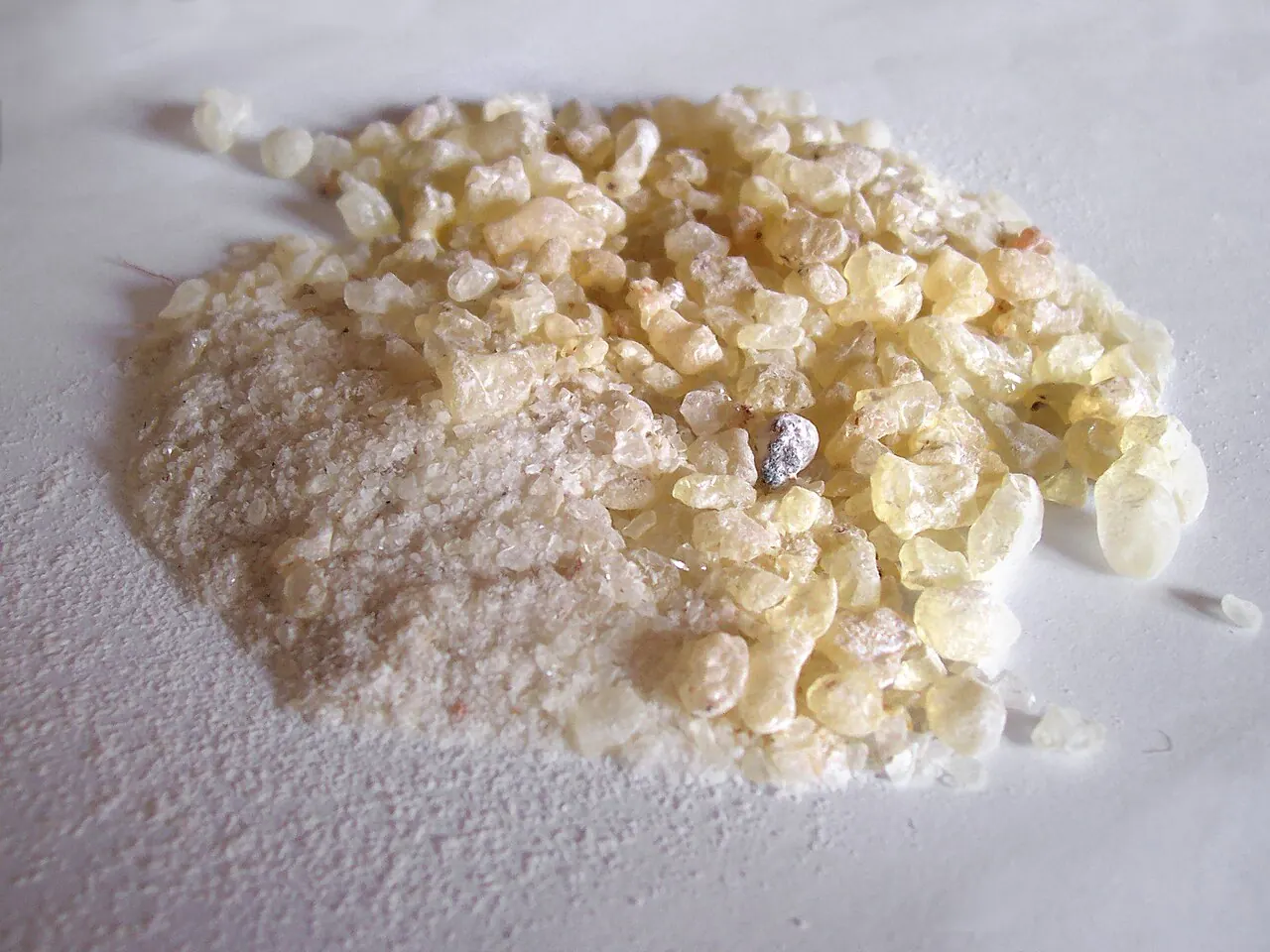
- Look at the form: FAO describes benzoin as cream to pale orange pieces, with darker lower grades in Sumatra.
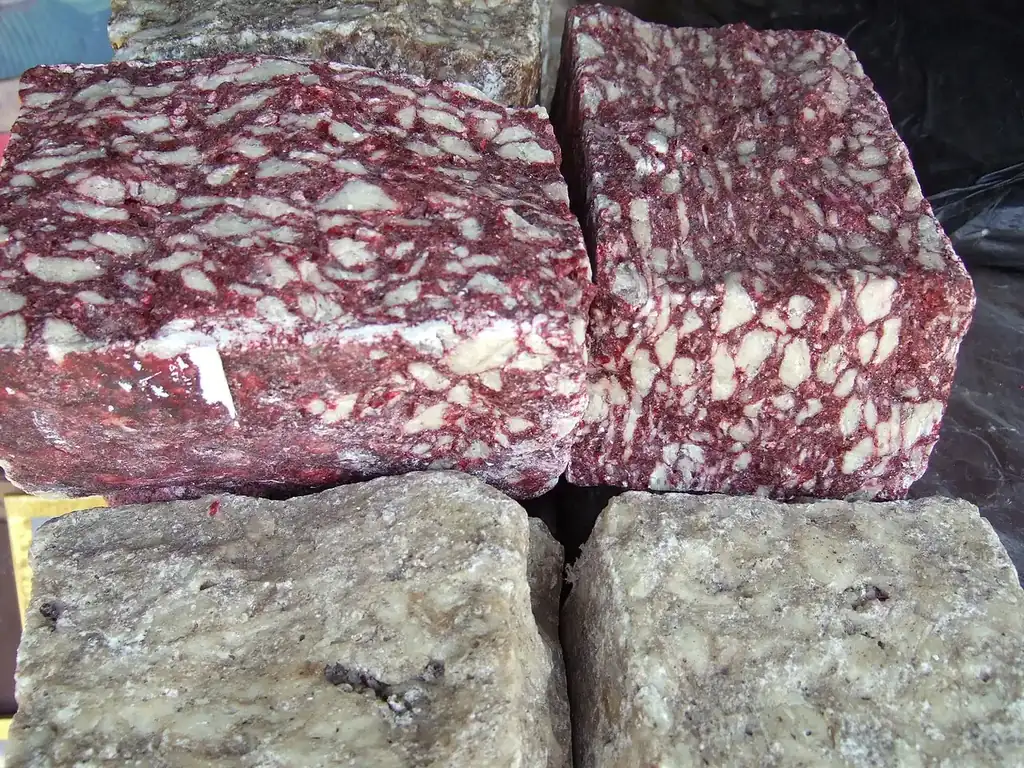
- Be careful with blocks: PROSEA and He both say block benzoin is often mixed with cheaper dammar. The block photo above can't confirm what's inside it.
- Check for debris: bark, sand and dust can come along during collection.
Color alone won't settle it. In addition, Universitas Gadjah Mada says quality grades aren't applied consistently in trade.
Uses of benzoin vs frankincense
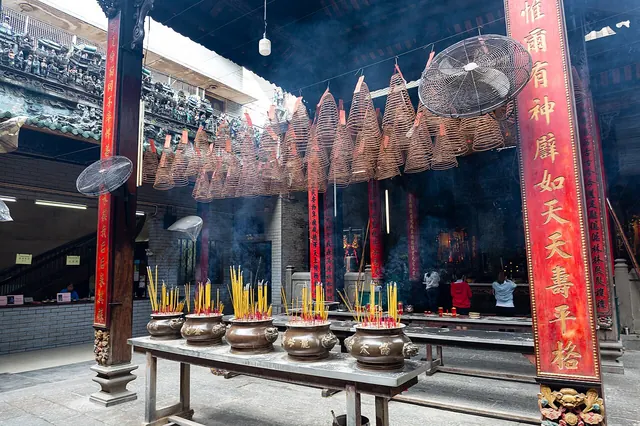
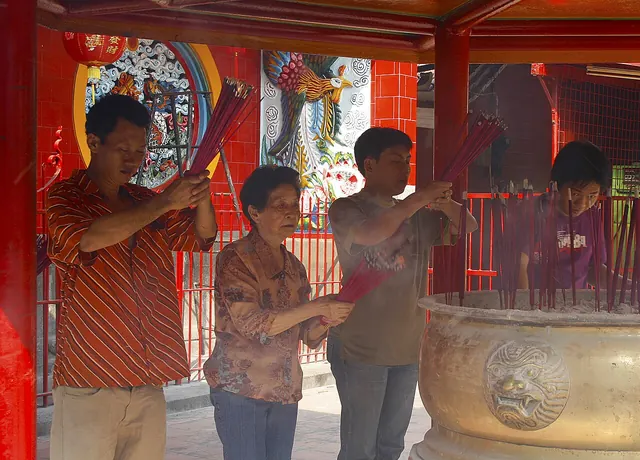
Benzoin vs frankincense isn't always a choice, because both burn as incense, and sometimes together. PROSEA says Sumatra benzoin is occasionally mixed with frankincense, myrrh and storax. It's also burned in the Middle East, North Africa and parts of Asia, and used in Javanese ceremonies linked to death or spirits.
Gebrehiwot and colleagues note that frankincense still burns in Roman Catholic, Greek Orthodox, Ethiopian Orthodox and Coptic services. Moreover, it goes into perfume, varnishes, adhesives and flavorings. Benzoin works as a perfume fixative, and it flavors some foods. We've left out health claims on purpose, since that topic needs review by a medical professional.
Before you try either, read our guide to burning resin safely, because charcoal gives off carbon monoxide. Our notes on incense smoke explain the risks, and this overview of incense types shows where resins fit.
Editor's note
Dupa Incense hasn't tested the scents or composition described here, and we haven't sent any samples to a lab. The photos only illustrate the materials. Dupa Incense is run by a partner of Dupalo, an incense maker in Malang, but this article doesn't recommend any product.
Frequently asked questions
Is benzoin the same as frankincense?
No. Benzoin comes from Styrax trees, and frankincense comes from Boswellia trees. Their reported compounds and scents differ, even though the names sometimes overlap in Indonesia.
Which smells sweeter, benzoin or frankincense?
Sources usually describe benzoin as sweeter, with honey and vanilla notes, and frankincense oil as woodier and more resinous. One Indonesian source calls burned frankincense sweet, and we haven't compared them ourselves.
What is kemenyan?
Kemenyan is the Indonesian name for benzoin, the resin of Styrax trees. The dictionary also lists "kemenyan arab", which is frankincense, so ask which one a seller means.
Is olibanum the same as frankincense?
Yes. Olibanum is another name for frankincense. The name doesn't tell you which Boswellia species you're buying, so ask the seller if it matters to you.
Can you burn benzoin and frankincense together?
PROSEA records Sumatra benzoin being mixed with frankincense in incense. We haven't tested a blend or any ratio, so start with small pieces and use the same safety steps as for any resin.
Sources
- KBBI Daring (lewat kbbi.web.id): kemenyan
- FAO: Chapter 2, Description of gum benzoin
- Coppen, FAO NWFP 6 (1995), kutipan di PlantUse: Benzoin
- Hoesen, PROSEA 18 (2000): Styrax
- UGM (2026): Kemenyan masih diekspor mentah
- He dkk., Plants (2023): Benzoin resin overview
- Miran dkk., eCAM (2022): Boswellia sacra
- Gebrehiwot dkk., FAO: Boswellia papyrifera dan frankincense
- Wikipedia: Frankincense, dicek 5 November 2026
- Wikipedia: Benzoin resin, dicek 5 November 2026
- NU Online (2021): Fenomena penggunaan kemenyan di saat wabah