Real sandalwood incense: 5 things you can check before buying
Disclosure: Dupa Incense is run by a Dupalo partner, so keep that in mind as you read. About
Real sandalwood incense contains actual sandalwood wood or oil, not just imitation fragrance. The catch is that color, ash and smoke can't prove it. So check the ingredients, the species, what "pure" means, whether the price makes sense, and what proof the seller has. Only a lab can confirm the content.
What does real sandalwood incense mean?
"Sandalwood" on a pack can mean four different things. Unfortunately, labels often don't say which:
| Pack wording | Possible meaning | Question to ask |
|---|---|---|
| Sandalwood scent | Possibly just fragrance | Is there any sandalwood in it? |
| Sandalwood powder | Some wood, at an unknown level | What percentage, and from which species? |
| Sandalwood oil | The base may be another wood | Oil from which species, and what's the test result? |
| Pure sandalwood | A seller's claim | Pure in what sense, and what's the proof? |
This table is our editorial advice, not an official rule. We also didn't find a standard that sets a minimum content for real sandalwood incense. The one standard we did find, ISO 3518, applies to sandalwood oil.
Incense sticks usually combine a bamboo core, wood powder, a binder and fragrance. That's general craft knowledge, and recipes vary by maker. So a sandalwood scent can come from wood, from oil, or from both.
Why real sandalwood incense is hard to confirm
The strongest evidence we found covers sandalwood oil, not finished incense. In 2021, Kucharska and colleagues lab-tested six oils sold as sandalwood. None of them met ISO 3518, mainly because of their alpha-santalol content.
- Two samples were openly labeled Amyris balsamifera, a different wood from sandalwood.
- A 100% Santalum album label on one sample hid contents that resembled Amyris.
- A 100% natural claim on another turned out to cover synthetic compounds.
- Natural and synthetic materials were mixed in a third, with no origin given.
- The last sample matched its label, but its alpha-santalol was 37.1%, under the cutoff of about 41%.
This small study tested oils from one set of shops, so it doesn't directly describe incense from Indonesia. Even so, the lesson is clear: a "100%" label isn't enough.
Supply is part of the reason. According to Wikipedia, the IUCN lists Santalum album as vulnerable, and only the heartwood is fragrant. In East Nusa Tenggara, a 2016 paper by Sumardi reports a sharp population decline. Therefore, it's no surprise that this wood is valuable.
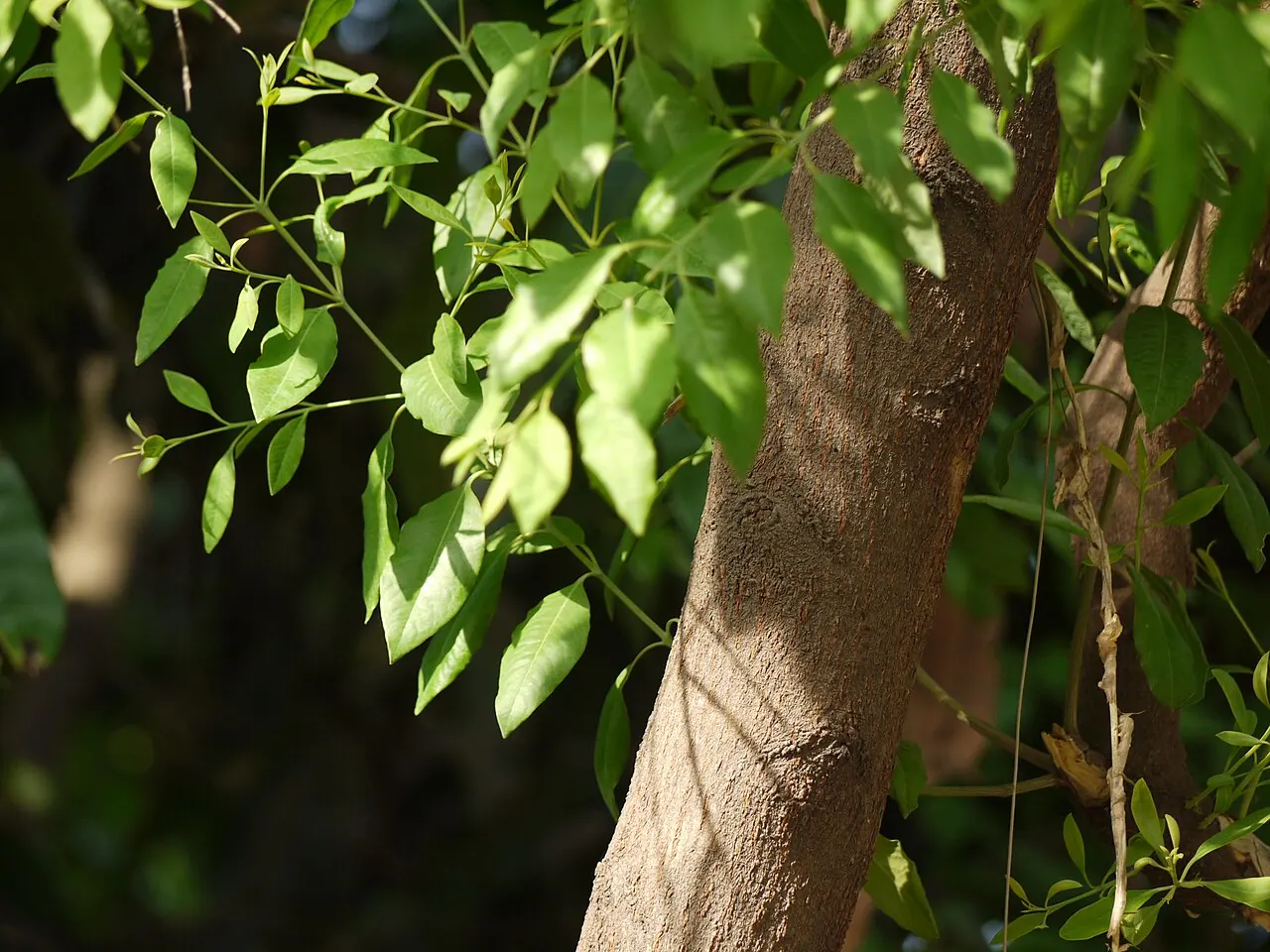
Five ways to check real sandalwood incense
These steps don't prove anything on their own. However, they do help you filter out empty claims.
1. Read the ingredients
Look for sandalwood wood, powder or oil, not just a scent. If the pack has no ingredient list, ask the seller. Also remember that a scent name isn't an ingredient list.
2. Ask about the species
The word sandalwood alone is broad. Ask whether the wood is Santalum album, another species or a substitute. For example, Wikipedia gives about 90% santalol for S. album and about 39% for Australian sandalwood. Both can carry the sandalwood name, although their profiles differ.
3. Ask what "pure" means
A stick needs a binder to hold its shape, so "pure" can hardly mean 100% wood. The seller may mean no other wood, or no added fragrance. So ask for an explanation in writing.
4. Don't judge by price alone
Kucharska and colleagues say price isn't a reliable sign of quality. They also warn that sandalwood oil priced like lavender or pine oil shouldn't be expected to be genuine Santalum album. So a very low price deserves suspicion, but a high price doesn't guarantee the contents.
5. Ask the seller for proof
The most useful proof is a lab result, such as GC-MS, or a record of where the wood came from. Ideally, it should refer to the same product or material. If a seller has neither, the product isn't necessarily fake. It just means you can't check the claim.
Home tests for real sandalwood incense: can you trust them?
Various online guides suggest tests based on ash, color or the smell of the smoke. We didn't find a study showing that these can separate real sandalwood incense from scented incense. Ash color, for example, can change with binders and fillers. For that reason, we haven't made a checklist of such signs here.
Your nose is still useful for deciding what you like. However, a pleasant scent isn't proof of content, and a faint scent doesn't prove a fake either.
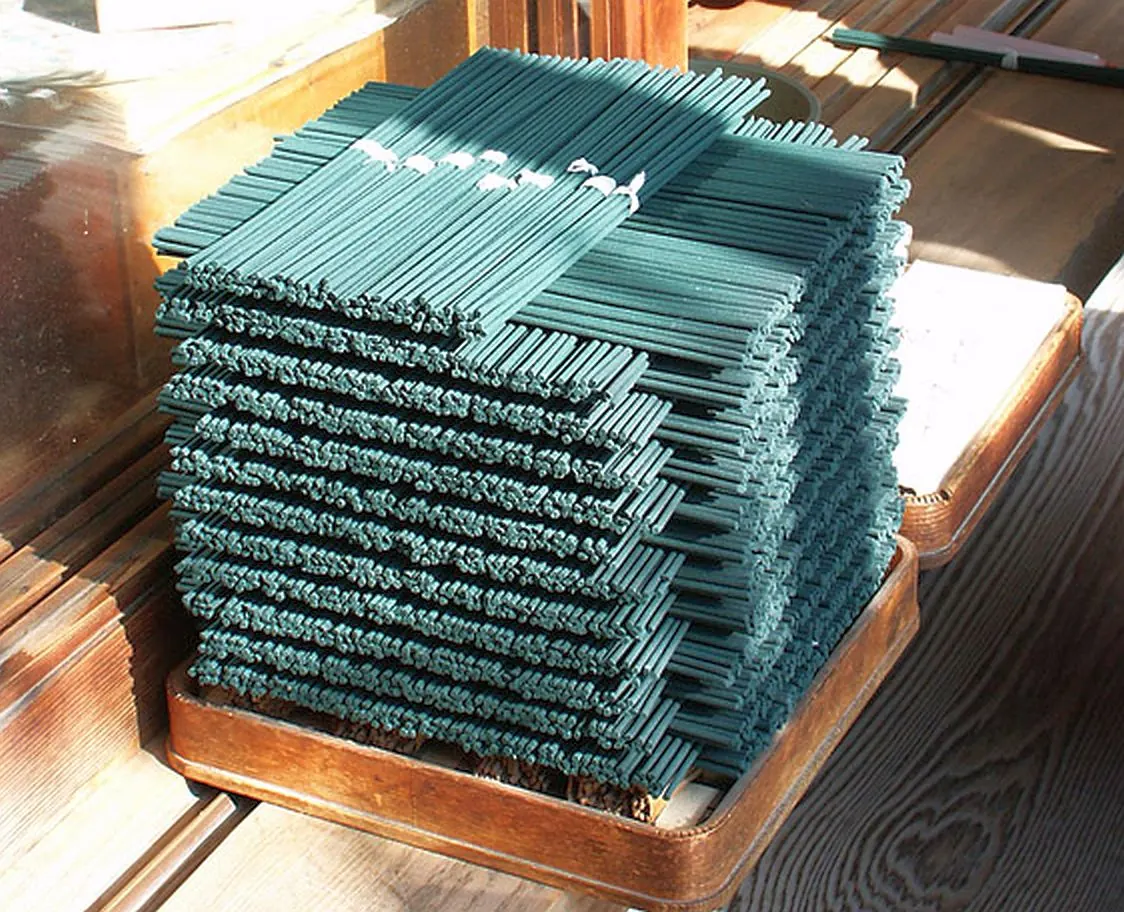
Does distillation residue count as real sandalwood incense?
This gray area rarely gets attention. In 2019, Nurochman and colleagues studied how communities in Aceh Besar and Pidie use sandalwood. They note that fragrant incense there favors harvest leftovers and sawdust from oil distillation.
So incense can contain actual sandalwood, yet come from residue with less oil left in it. It makes sense as a way to use the material. Still, the scent may not match whole wood, and labels rarely mention it. Ask about this if you're buying with certain expectations.
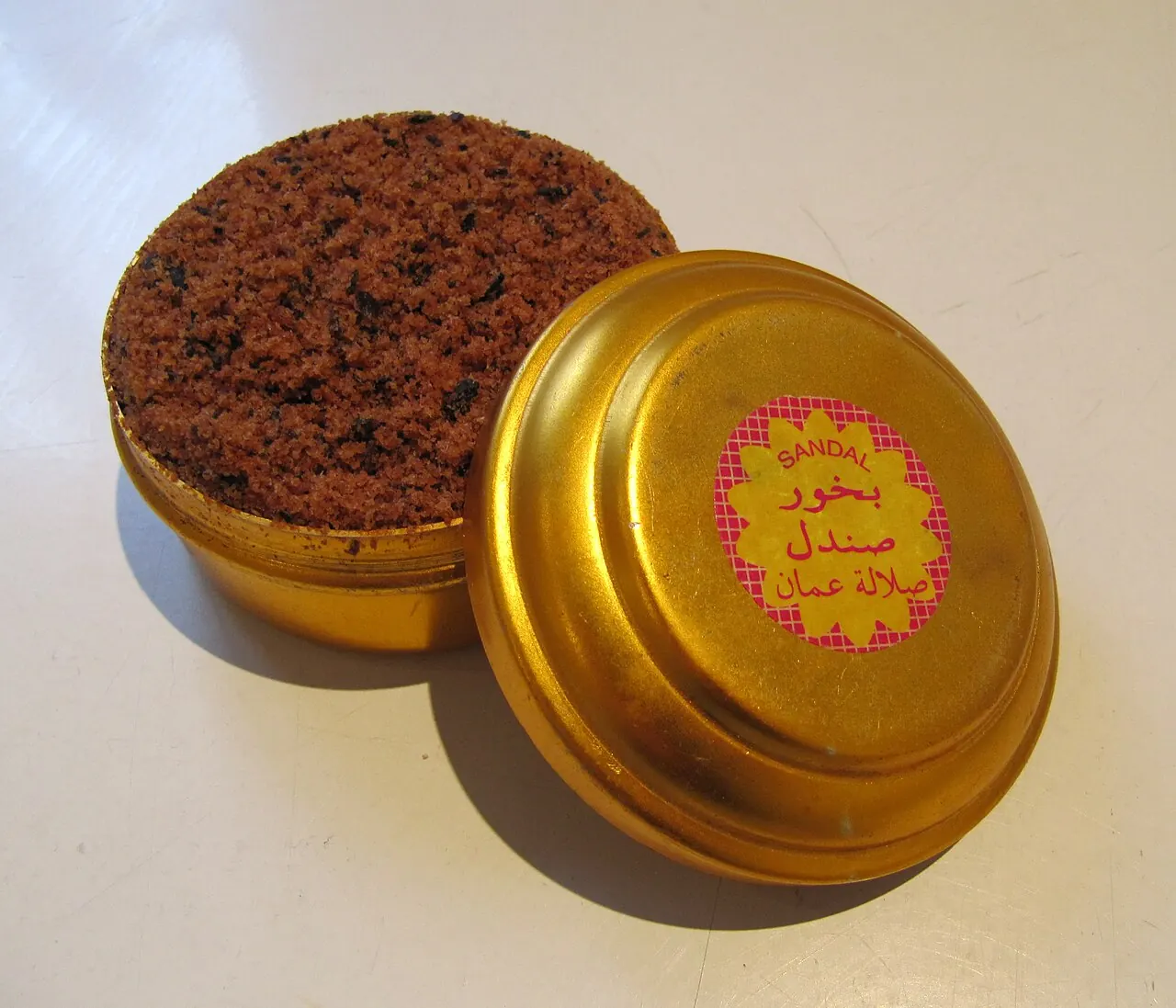
What about Dupalo's sandalwood incense?
This site is run by a partner of Dupalo, so this section isn't an independent review. Dupalo does sell sandalwood incense, and Jawa Pos listed sandalwood among its best-selling scents in 2024. See also the Dupalo Cendana entry and our guide to Dupalo scents.
On 4 November 2026, the dupalo_pusat store on Shopee listed ATMA Kayu Gaharu Mix Cendana, 9 sticks, at Rp22,000, and ATMA Getah Gaharu Cendana, 108 grams, at Rp75,600. Prices can change, so check again before buying.
According to this site's operator, Dupalo Cendana contains teak wood powder, an organic wood-based binder and high-quality sandalwood oil, on a teak stick. So its base is teak, not sandalwood, and its sandalwood scent comes from the oil. Jawa Pos also quotes Dupalo on using "burning oil", without naming the type of oil.
This information doesn't give the oil's species, origin or concentration. In addition, "high-quality" is still a claim, because we haven't seen a test result such as GC-MS. The Kucharska study above shows why that proof matters. For that reason, we don't yet call this product real sandalwood incense. A more accurate description is teak incense with sandalwood oil, according to the seller.
This list covers only Dupalo Cendana, not every Dupalo product. According to the same source, other products use different materials, such as wood powder in ATMA Gaharu, benzoin resin, or leaf powder in sage and kelor incense. For the wood-based ATMA line, the same source says it uses real wood powder, so ATMA Kayu Gaharu Mix Cendana differs from Dupalo Cendana. However, we don't know its sandalwood share, species or test results. We also haven't received an ingredient list for ATMA Getah Gaharu Cendana.
Other things to weigh before you buy
Ask where the wood came from if sustainability matters to you. According to Wikipedia, India bans export of the species, and its states have differing rules. For Indonesia, see our sandalwood material notes and the Timor sandalwood entry.
Also, real wood doesn't make the smoke safe. Natural materials still produce smoke when they burn, so open a window and read our notes on incense smoke. We've left out sandalwood's health claims on purpose, because that topic needs review by a medical professional.
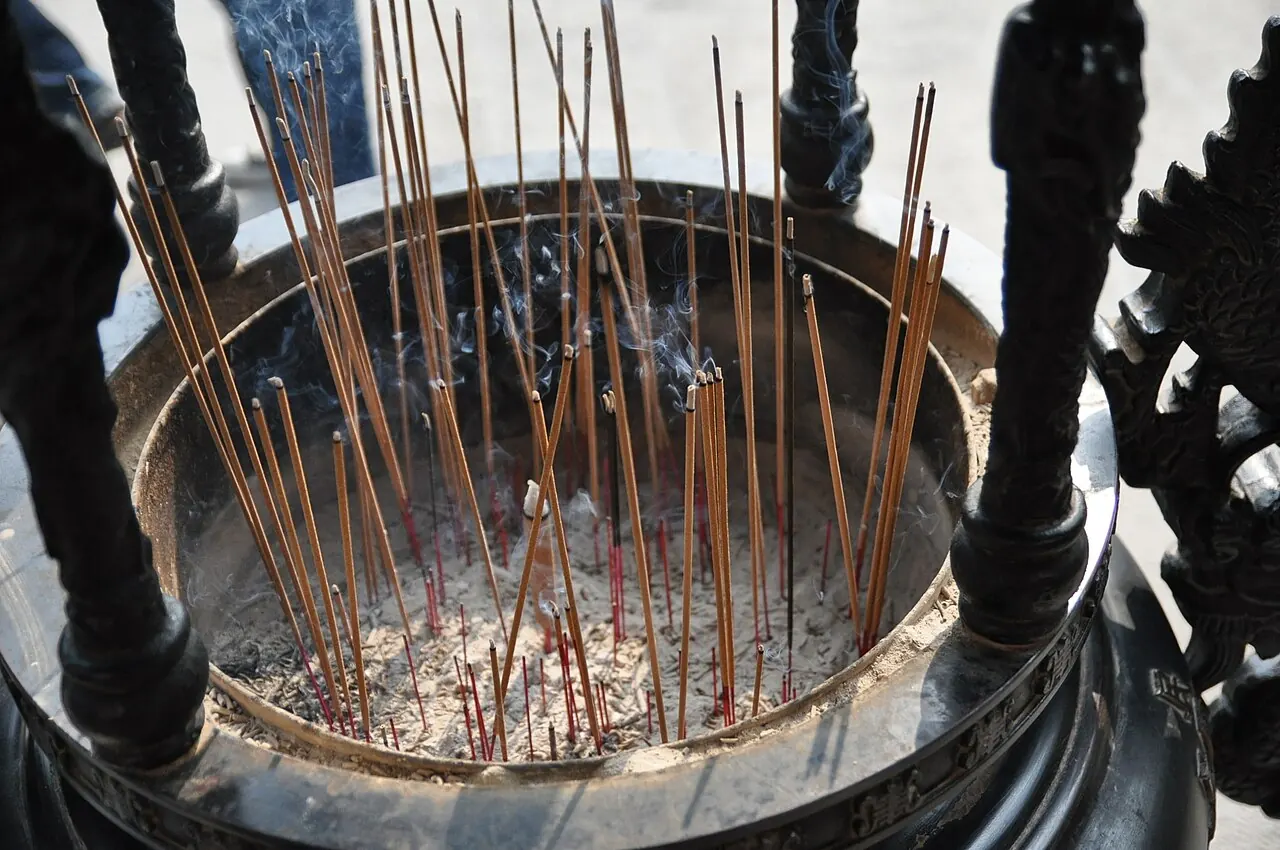
Editor's note
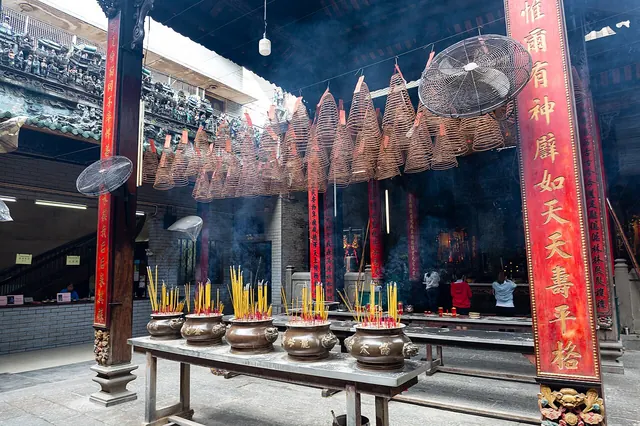
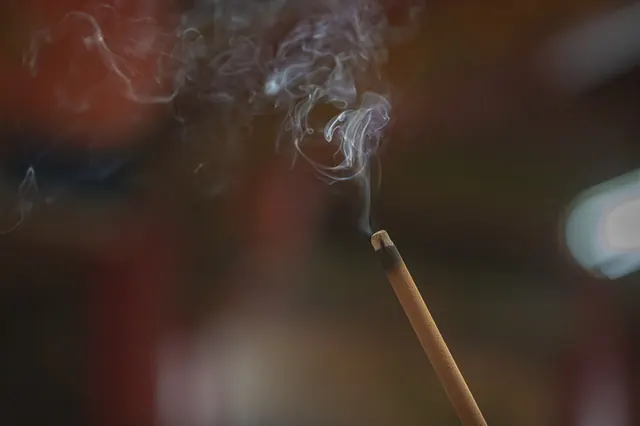
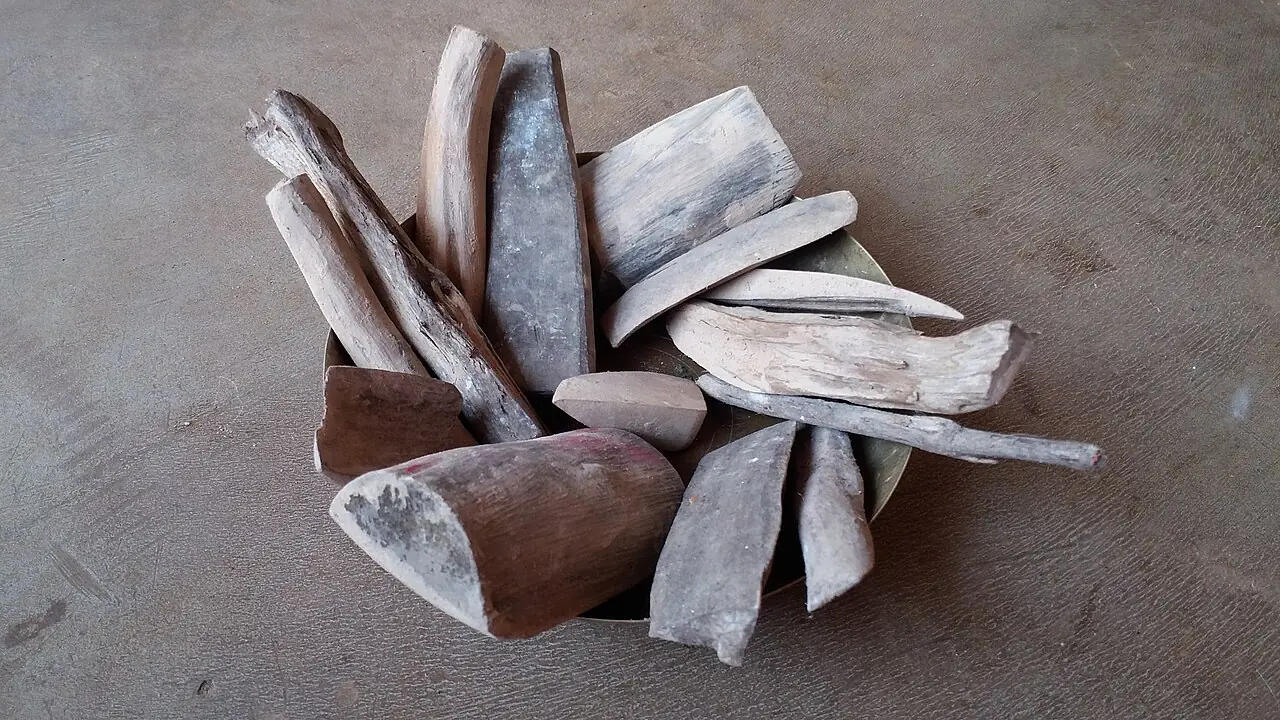
Dupa Incense hasn't tested any sandalwood incense, including Dupalo's, and we haven't sent samples to a lab. The photos only illustrate materials and forms, and none shows a Dupalo product. The checks above are editorial advice, and the main study covers oil, not incense.
Frequently asked questions
How can you tell real sandalwood incense?
Check the ingredients, the species, what "pure" means, whether the price makes sense, and what proof the seller has. These steps filter claims, but only a lab can confirm the contents.
Does sandalwood-scented incense always contain sandalwood?
No. A scent name isn't an ingredient list, so the smell may come from oil or fragrance. Ask the seller whether the product contains sandalwood wood, powder or oil.
Does white ash mean the sandalwood is real?
We didn't find a study showing that it does. Ash color can change with binders and fillers, so don't rely on it alone.
Is real sandalwood incense always expensive?
The wood is valuable, so a very low price deserves suspicion. However, a study of sandalwood oil says price isn't a reliable sign of quality, so a high price doesn't guarantee the contents either.
Does Dupalo's sandalwood incense use real sandalwood wood?
It depends on the product, according to this site's operator, who is a Dupalo partner. Dupalo Cendana uses teak wood powder and sandalwood oil, while ATMA Kayu Gaharu Mix Cendana uses real wood powder. We haven't seen a test of either.
Sources
- Kucharska dkk., Molecules (2021): Sandalwood oils and the international standard
- Wikipedia: Santalum album, dicek 5 November 2026
- Nurochman dkk. (2019): Pemanfaatan cendana oleh masyarakat mukim di Aceh
- Sumardi (2016), Jurnal Ilmu Lingkungan 14(1): Konservasi genetik cendana Timor
- Jawa Pos (2024): Berhasil ekspor hingga pasar Eropa
- Shopee dupalo_pusat: Dupa Atma Kayu Gaharu Mix Cendana 9 stik, dicek 4 November 2026
- Shopee dupalo_pusat: Dupa Atma Getah Gaharu Cendana 108 gr, dicek 4 November 2026